

1. Silhouette and Fit
Different silhouettes flatter different body types, so consider options like A-line, ballgown, mermaid, or sheath to find what enhances your shape and makes you feel confident.
Finding the perfect wedding gown is all about matching your personal style with comfort and fit for your big day. Here are some key aspects to consider when shopping for a wedding dress.
1. Silhouette and Fit
Different silhouettes flatter different body types, so consider options like A-line, ballgown, mermaid, or sheath to find what enhances your shape and makes you feel confident.
2. Fabric and Comfort
From lace to satin to tulle, fabric choice affects both the look and feel of your gown. Select a material that suits your venue, season, and comfort level for all-day wear.
3. Details and Embellishments
Beading, embroidery, lace appliqués, and other details can add personality and elegance to your dress. Consider how much embellishment you want based on your personal style.
4. Budget
Wedding gowns come in a wide range of price points. Set a realistic budget before shopping to help narrow down your choices without compromising on style or quality.
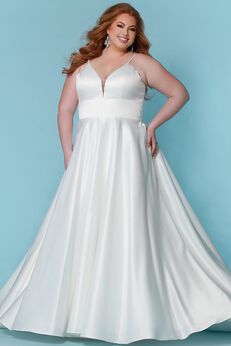
A minimalist satin gown with a modern lace-up back, playful pockets, and a dramatic long train.
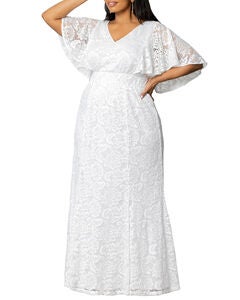
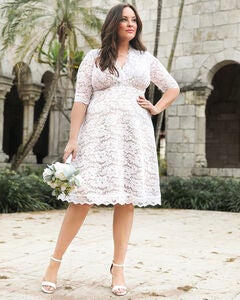
An off-white ivory lace wedding dress with flutter sleeves and a flattering fit-and-flare silhouette.

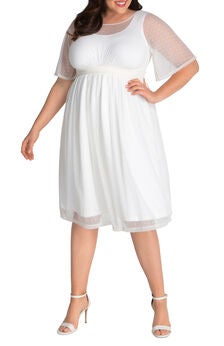
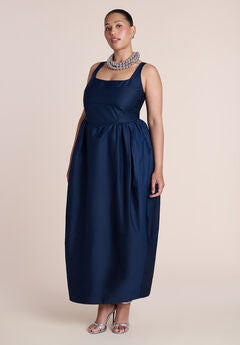
A sleeveless maxi gown in non-stretch taffeta with a pleated skirt and structured bodice.
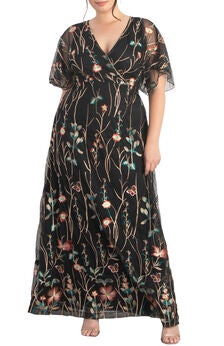
An ethereal onyx gown with floral embroidery, mesh lining, and an elasticated waist for special occasions.
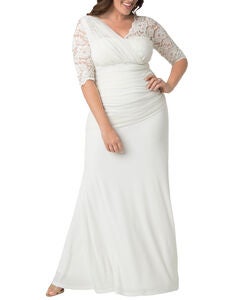
An exquisite plus size lace gown with a faux mesh one-shoulder and asymmetrical drop waist design.
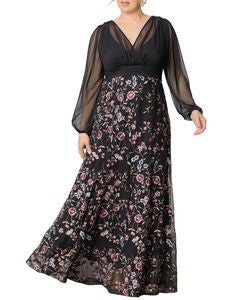
An enchanting mesh gown with embroidered floral blooms, featuring a surplice neckline and sheer sleeves.
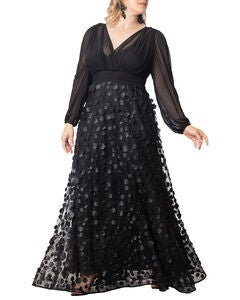
An elegant onyx mesh evening gown featuring 3D floral embroidery and whimsical sheer lantern sleeves.
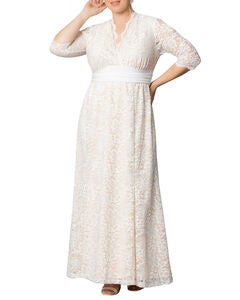
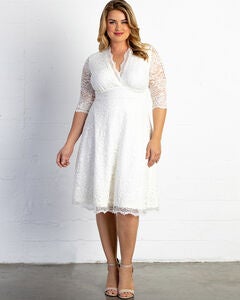
An off-white lace wedding gown with a surplice neckline and flattering trumpet skirt.
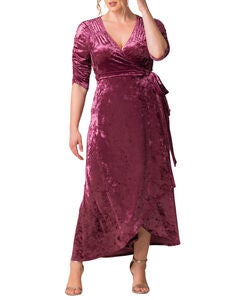
A luxurious velvet wrap gown with a hi-low hemline, ruched details, and adjustable waist tie.
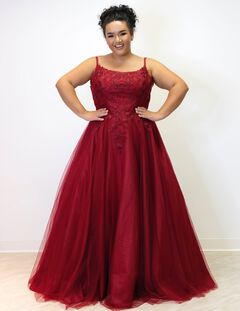
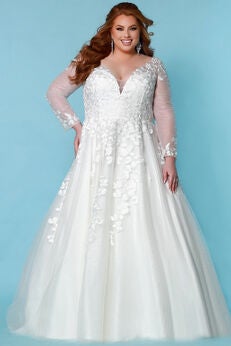
A regal plus size gown in burgundy with lace appliques and a full tulle A-line skirt.
Modern brides often gravitate toward A-line, ball gown, mermaid, and sheath silhouettes. Popular features include lace detailing, off-the-shoulder necklines, illusion sleeves, and minimalist satin designs.
Consider the season and venue when selecting a fabric. Lightweight fabrics like chiffon or organza are ideal for warm-weather weddings, while heavier materials like satin or mikado work well for cooler months or formal settings.
Classic accessories include veils, tiaras, statement earrings, delicate necklaces, and bridal belts. The choice depends on your gown’s neckline and overall style—simple gowns can be elevated with bold accessories, while ornate dresses may pair best with subtle pieces.
It's recommended to begin shopping for your wedding gown at least 8 to 12 months before your wedding date. This allows ample time for browsing, fittings, and any necessary alterations.
Store your gown in a cool, dry place away from direct sunlight. Use a breathable garment bag and avoid plastic covers. Hang the dress by its loops to prevent stretching and schedule professional steaming or pressing close to your wedding date.