Comfortable Plus Size Dresses
Find comfortable plus size dresses for your everyday plans, with your stylist helping you navigate fit. One brand’s 1X can be another brand’s 3X, so your stylist looks beyond the label. Try your dresses at home to see how they feel when you sit, walk, and move. If the fit isn’t right, free exchanges take the pressure off.
-
 A versatile medium-weight stretch knit dress with a waist tie detail and flutter sleeves.What customers like:Vibrant color Flattering fit Versatile design Comfortable material Received compliments
-
 A soft pink stretch cotton maxi dress with a fit-and-flare silhouette and short sleeves for comfort.What customers like:High quality fabric Versatile style Flattering silhouette True to size and color Comfortable fit
-
 A green knit maxi dress in soft cotton-spandex jersey with three-quarter sleeves and a flattering sheath silhouette.What customers like:Versatile styling Flattering silhouette Easy care and maintenance Comfortable fit Soft and sturdy fabric
-
 A lightweight jersey maxi dress with a scoop neckline and slight A-line silhouette in black or tan.What customers like:Flattering and true to size fit Versatile styling and layering Easy care and wrinkle resistant Good length and drape Comfortable and breathable fabric
-
 A versatile red or navy rayon-spandex jersey dress featuring an A-line silhouette and scoop neckline.What customers like:Lightweight and breathable for warm weather Versatile for multiple occasions Easy care and durable material Flattering and roomy fit Comfortable and soft fabric
-
 A black stretch jersey knit dress featuring a scoop neckline and crossover back for casual comfort.What customers like:Versatile for multiple uses and occasions Comfortable and breezy for hot weather Flattering, flowing fit with good coverage Stylish crossover back and cute design Easy care and durable after washing
-
 A relaxed black jersey knit dress featuring a scoop neckline, cap sleeves, and an easy A-line silhouette.What customers like:Easy care and wrinkle resistant Flattering and comfortable fit True to size with good length Versatile for different occasions Soft, breathable, and lightweight fabric
-
 A black cotton slub jersey dress with nautical stripes and an adjustable drawstring waist for a relaxed fit.What customers like:Flattering and cute appearance Versatile style Lightweight and breathable material Comfortable fit Adjustable drawstring waist
-
 A lightweight grey tunic dress in soft French terry with long sleeves and convenient side seam pockets.What customers like:Soft, lightweight material Convenient pockets Versatile style Comfortable fit Great length for layering
-
 A chic cross front midi dress in stretch matte jersey knit with a flattering waist seam and twist detail.What customers like:Flattering fit Versatile design True to size Comfortable fabric Chic and classy
-
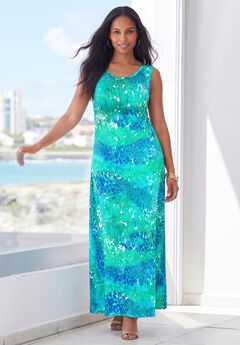 A scoop-neck A-line maxi dress crafted from soft stretch cotton with side godet details.What customers like:High quality and durable construction Vibrant colors and attractive design Flattering fit and cut Versatile for various occasions Comfortable and breathable fabric
-
 A navy 100% cotton maxi dress with crochet trim, tiered ruffles, and an adjustable V-neck bodice.What customers like:Beautiful color and appearance Versatile and easy to dress up or down High quality, breathable cotton fabric Flattering and suitable for plus sizes Comfortable fit
-
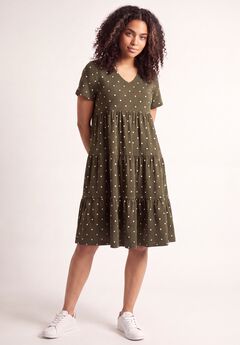 A lightweight olive jersey dress featuring a V-neck, empire waist, short sleeves, and feminine tiered styling.What customers like:Flattering tiered A-line style True-to-size, comfortable fit with good stretch Comfortable, soft, breathable jersey fabric Sturdy, opaque fabric that washes well Versatile dress for multiple occasions
-
 A white and multi-color knit midi dress featuring a surplice neckline, flutter sleeves, and waist tie.What customers like:Beautiful colors and print Flattering and comfortable fit High-quality, lightweight fabric Easy care and wrinkle-free Versatile style for events
-
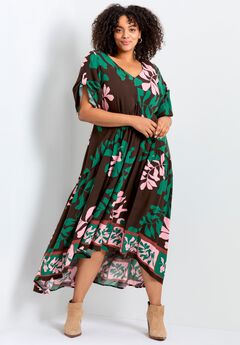 A lightweight, maxi-length dress in soft 100% viscose with a relaxed fit and self-tie waist.
-
 An elegant knee-length dress with flutter sleeves and V-neckline, crafted from breathable viscose.
-
 A comfortable V-neck tiered knit dress in viscose blend, perfect for a stylish weekend look.
-
 An airy blue cotton midi dress with eyelet embroidery, flutter sleeves, and convenient side pockets.
-
 A deep scoop neck midi dress in soft Modal Silk Rib, offering a comfortable, curve-hugging silhouette.
-
 An olive midi dress with 3/4 sleeves, crafted from a soft modal blend for everyday comfort.
-
 A black V-neckline midi dress in a comfortable polyester-elastane blend with 3/4 sleeves.
-
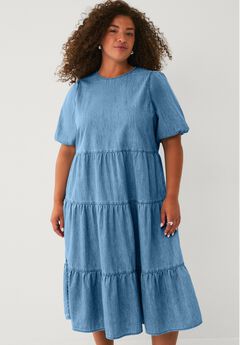 A lightweight 100% cotton denim midi dress with short sleeves, tiered A-line silhouette, and keyhole back.
-
 A red satin dress featuring a smocked waist, dolman sleeves, and soft, fluid polyester fabric.
-
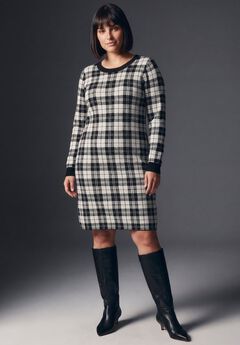 A cozy medium-weight knit sweater dress with a relaxed crewneck silhouette, long ribbed-cuff sleeves, and knee-length design.
Comfortable Plus Size Dresses
Frequently Asked Questions
Look for fabric that feels soft against your skin and a cut that lets you move comfortably. Your stylist knows one brand’s 1X might be another brand’s 3X, so she considers your actual fit rather than relying on the tag.
Pair your dress with sneakers or flat sandals, then add a lightweight layer for your day. Tell your stylist about your usual routine so she can help you build outfits that feel personal and easy to wear.
Choose a dress that lets you sit and move easily, then add a blazer and loafers. Share your workplace dress code with your stylist so she can balance your comfort with the polish your day calls for.
Start with a dress you enjoy wearing, then add statement earrings, a clutch, and dressier shoes. Your stylist can help you coordinate those details around your occasion without making your outfit feel overly complicated.
Adjust your layers and accessories rather than rethinking your whole outfit whenever the weather changes. Wear your dress with sandals on warm days, then try tights, boots, and a cardigan when temperatures drop. Your stylist can help you plan those combinations.