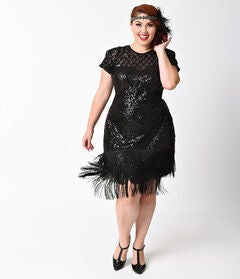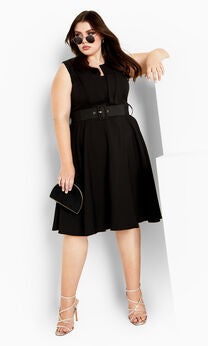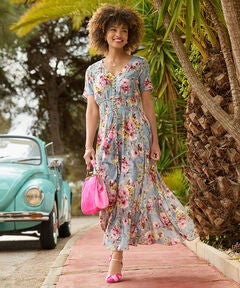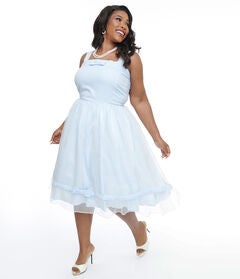


Plus Size 1950s Vintage Dresses
Explore plus size 1950s vintage dresses with your favorite retro silhouettes in mind, from a defined waist to a fuller skirt. Your stylist can help you navigate sizing—a 1X in one brand may fit differently in another—while keeping your preferences front and center. Try your picks at home, with free exchanges if your fit needs adjusting.
-
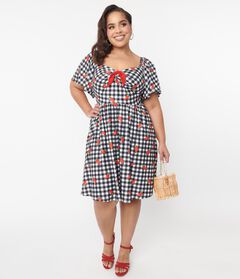 A 1950s-inspired gingham swing dress with chili pepper print, flutter sleeves, and convenient side pockets.
-
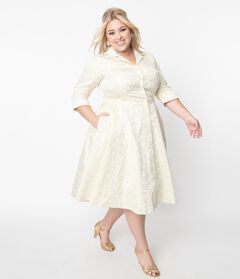 A dazzling ivory brocade swing dress with gold accents, featuring a belted waist and side pockets.
-
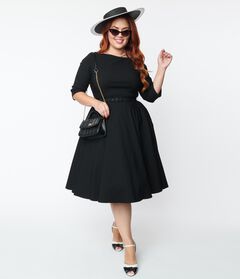 A bewitching black swing dress with a darted bodice and dramatic bateau neckline.
-
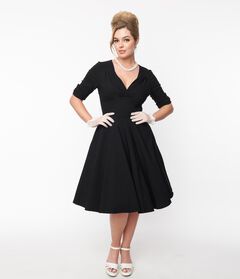 A black 1950s-inspired A-line swing dress with a surplice V-neck and soft stretch cotton blend.
-
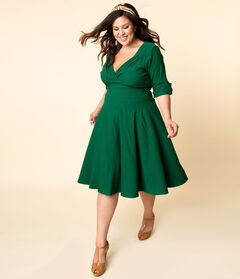 An emerald green swing dress with a flattering v-neckline and tailored half sleeves.
-
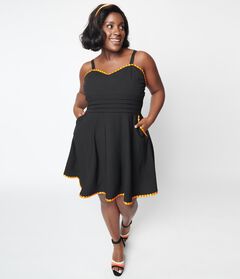 A 1950s-inspired black fit and flare dress with pumpkin trim, adjustable straps, and side pockets.
-
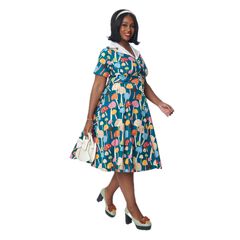 A charming 1950s style swing dress in teal crepe with multicolor mushrooms and side pockets.
-
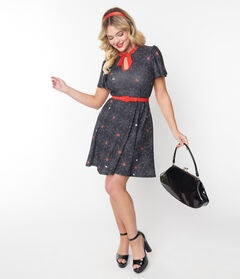 A 1950s-inspired black and burgundy fit and flare dress with spiderweb and heart print.
-
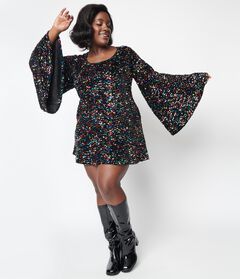
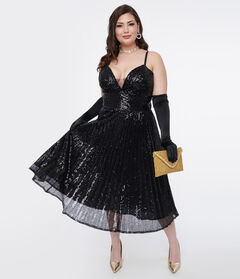 A black 1950s-inspired swing dress with shimmering sequins, pleats, and adjustable spaghetti straps.
-
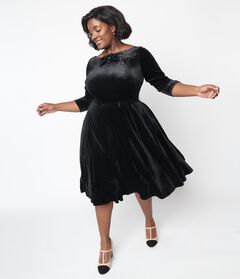 A sultry black velvet swing dress with a faux bow neckline and three-quarter sleeves.
-
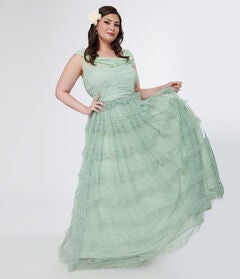 A captivating mint green tulle cocktail dress featuring clip dots and an off-the-shoulder neckline.
-
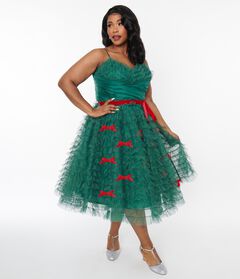 An enchanting 1950s-style swing dress in emerald green tulle with red ribbon accents and adjustable straps.
-
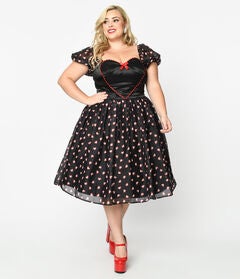 A 1950s style black swing dress with heart details, crafted from satin-like polyester and spandex.
-
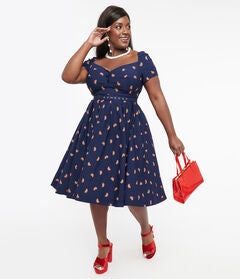 A 1950s-inspired navy swing dress with rainbow accents, featuring a sweetheart neckline and pleated skirt.
-
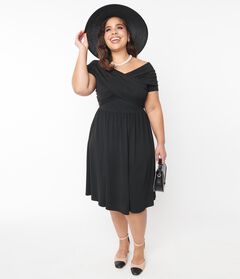 A 1950s-inspired black swing dress with a sultry off-the-shoulder neckline and convenient side pockets.
-
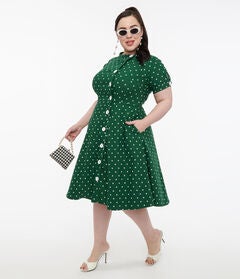 A 1950s-inspired green swing dress with white pin dots, asymmetrical buttons, and hidden side pockets.
-
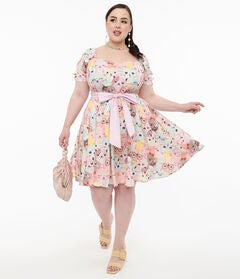 A 1950s-inspired pink fit and flare dress with multicolored cats, short sleeves, and side pockets.
-
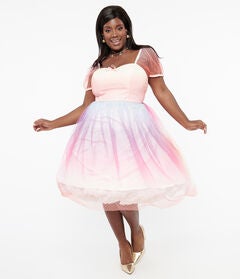 A pastel rainbow ombre tulle dress with clip dots, perfect for a flattering fit and flare silhouette.
-
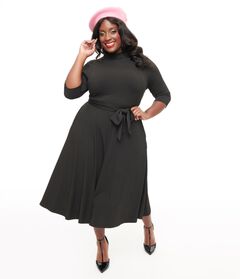 A chic black fit-and-flare dress with a cozy turtleneck, three-quarter sleeves, and a self-tie sash.
-
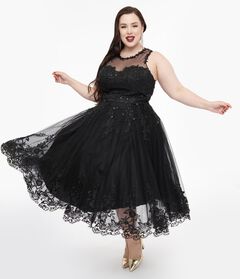 An elegant 1950s-inspired black dress featuring lace, tulle, and a beaded sweetheart bodice.
-
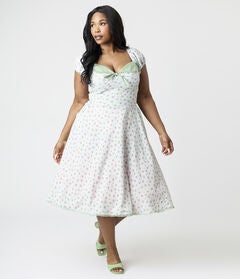 A green gingham swing dress with floral print, puff sleeves, sweetheart neckline, and convenient side pockets.
-
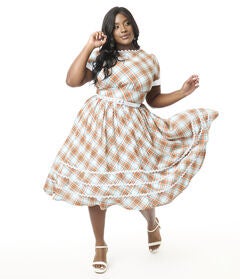 A vibrant rainbow plaid woven dress with white ric rac trim, faux bows, and a flattering belted waist.
-
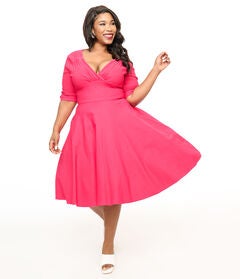 A vibrant hot pink 1950s-inspired swing dress in bengaline with three-quarter sleeves and a V-neckline.
-
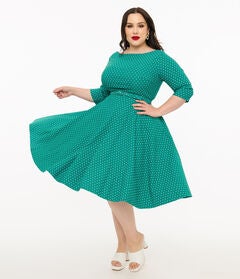 A teal stretch bengaline swing dress with white pin dots, three-quarter sleeves, and hidden side pockets.
Plus Size 1950s Vintage Dresses
Frequently Asked Questions
A defined waist, full skirt, and sweetheart or bateau neckline often signal a 1950s-inspired dress. The era also embraced fitted sheath silhouettes, so your vintage look doesn't have to include a swing skirt. Your stylist can help you explore the details that feel most like you.
Polka dots, gingham checks, and floral prints are closely associated with 1950s dress styles. Choose smaller patterns for a quieter nod to the era, or try bold florals for a more expressive look. Solid colors can feel equally vintage when paired with period-inspired details.
Pair your dress with a simple cardigan and ballet flats for an easy everyday outfit. White sneakers and a crossbody bag bring a more modern feel to a full-skirted silhouette. Tell your stylist how you spend your day so your vintage inspiration stays practical.
Try pearl-style earrings, a structured handbag, or a narrow belt to echo the era's styling. Choose one or two vintage-inspired accents rather than matching every detail from head to toe. Your own favorite jewelry can keep the finished outfit feeling personal rather than costume-like.
An authentic 1950s dress was made during that decade, while a vintage-inspired dress was made later. Vintage-inspired designs borrow details such as full skirts, defined waists, and retro necklines. Share your favorite references with your stylist to clarify whether you prefer subtle nostalgia or a stronger period look.