Plus Size Activewear Under $50
Start your New Year routine with plus size activewear under $50 per piece, chosen around your comfort. Explore sports bras, bike shorts, and active pants for the ways you like to move. Tell your stylist what support you prefer and where waistbands tend to pinch. Your routine is personal, and your fit deserves that same attention.


-
 A black high-waist bike short with stretch cotton and power mesh lining for all-day comfort.What customers like:Great for workouts and movement Stays in place True to size Soft, quality fabric Comfortable fit
-
 A pair of black jogger pants with elastic waistband and pockets, crafted from stretchy polyester-spandex.
-
 A black sports bra with molded underwire cups and power mesh lining for optimal support.
-
 A black cotton blend French terry sweat top with a chic half-zip design for versatile style.
-
 A white camisole sports bra with mesh inserts, offering breathable comfort and full coverage support.
-
 A navy geometric print sports bra with mesh panels, perfect for light-impact activities and casual wear.
-
 A seamless white sports bra offering full coverage and moisture control for high-intensity workouts.
-
 A wire-free white bra offering full coverage and stabilized support for active lifestyles.
-
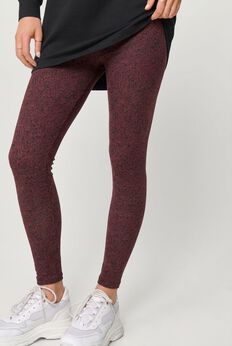 A burgundy full-length legging in breathable cotton-spandex jersey with an elastic waistband and streamlined slim silhouette.What customers like:Flattering, true-to-size fit Warm, full-length coverage Versatile styles and patterns Comfortable, soft fabric Sturdy fabric that retains its shape
-
 An airy cotton-spandex capri legging with an elastic waistband, pull-on design, and comfortable mid-rise fit.What customers like:Good quality and durability Lightweight and breathable Fun prints and colors Non-transparent fabric Comfortable fit
-
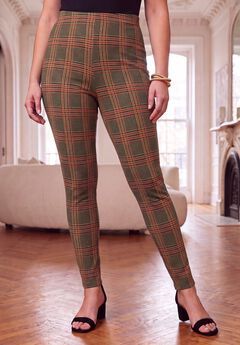 A versatile cotton-spandex legging with an elastic waistband, ankle-length 28-inch inseam, and easy machine-washable care.What customers like:Versatile and stylish appearance Comfortable, soft, stretchy fit Easy to wash and care for Durable, high-quality material Waistband stays comfortably in place
-
 A sleek, form-fitting black bike short made from stretchy cotton-spandex for all-day comfort.What customers like:Perfect and flattering fit Extremely comfortable High quality, durable fabric Stays in place and easy to wear Versatile and practical style
-
 A black anti-chafing short with stretch cotton, wide elastic waistband, and 7" inseam for comfort.
-
 A versatile pair of navy bike shorts with a cotton/spandex blend and elastic waist for comfort.
-
 A pair of grey fleece shorts with a drawstring waist and side pockets for ultimate comfort.
-
 A black stretch cotton blend hoodie with contrast trims, zip front, and hooded neckline.
-
 A pair of relaxed, cropped wide-leg sweatpants in soft baby French terry with an elastic waist and pockets.
-
 A high-waisted black capri legging with tummy control, made from 90% nylon and 10% spandex.
-
 A hyper-breathable mesh sports bra with adjustable straps, offering full coverage and high bust containment.
-
 A comfortable cotton-blend yoga pant in black, perfect for workouts or casual wear.
-
 A high-waist, seamless black legging offering comfortable support with breathable nylon-spandex fabric.
-
 A buttery-soft scoop-neck workout bra offering the perfect balance of compression and stretch for daily comfort.
-
 A navy high-rise crop pant with super stretch fabric and a flattering close cut silhouette.What customers like:High quality fabric Versatile style Flattering silhouette Comfortable fit Great stretch
-
 A buttery-soft olive scoop-neck bra offering the perfect balance of compression and stretch for daily comfort.
Plus Size Activewear Under $50
FAQ
The under-$50 budget is per piece, rather than for a complete outfit. Start with the item your routine needs most, then build around pieces you already own. Check the current price for your selected size and color before ordering, since prices can change.
One brand's 1X might be another brand's 3X, so don't rely on the tag alone. Compare your measurements with each brand's size chart, including bust measurements for sports bras. Tell your stylist which brands fit you well and where you need more room. Your stylist can use that information instead of treating every size label as interchangeable.
Start with the need you want to address. Explore our plus size high-impact sports bras for running or jumping, and our plus size front-closure sports bras if you prefer fastening in front. For outdoor layering, browse our plus size jackets for winter walks. If thigh friction is your main concern, explore our plus size anti chafing shorts. Check each style's features rather than assuming every piece offers the same support or coverage.
Look at fabric composition, waistband construction, inseam, and seam placement before choosing your piece. The Active Bike Short has stretch cotton fabric, a wide elastic waistband, and a 7-inch inseam. The Ryan Geometric Print Mesh V-Back Sports Bra is designed for light-impact exercise. Stretch alone doesn't establish moisture-wicking performance or high-impact support, so check the individual product description.
Share your per-piece budget, usual activities, and support preferences in your style profile. Your stylist can use those details when considering your selections. With Dia's styling box, you can try your pieces at home, and free exchanges give you room to address a fit that isn't right.