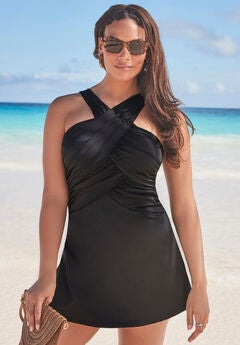


Plus Size Chlorine Resistant Bathing Suits
Find plus size chlorine resistant bathing suits for your regular pool routine, with your preferred fit and coverage in mind. One brand’s 1X can fit differently from another’s, and your stylist can help you navigate those sizing differences. Try your swimwear at home, with free exchanges if you need a different fit.
-
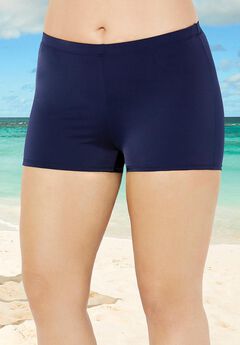 A navy swim boy short offering full coverage and UPF 50 protection with chlorine-resistant fabric.What customers like:Durable fabric Stylish design Comfortable wear Excellent fit Great coverage
-
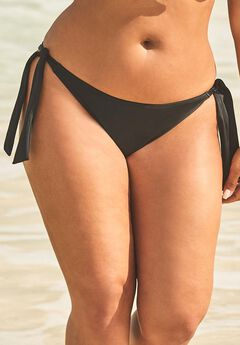 A black, low-waist swim brief with side ties, offering UPF 50 protection and minimal coverage.What customers like:Flattering fit Comfortable wear Adjustable side ties Versatile styling Great material quality
-
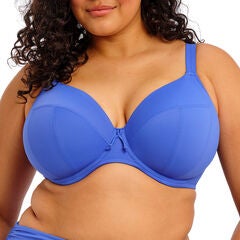 A black underwire plunge bikini top with mesh-lined cups, adjustable straps, and chlorine-resistant XTRA LIFE LYCRA.
-
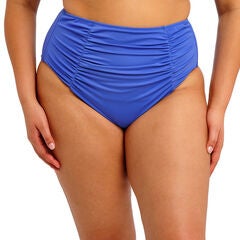 A black bikini brief featuring a powernet tummy-control panel and chlorine-resistant XTRA LIFE LYCRA fabric.
-
 A minimal coverage bikini bottom in stretchy, recycled fabric with a fully cheeky back and UPF 50 protection.
-
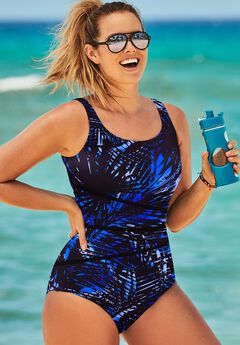 A chlorine-resistant blue one-piece swimsuit with tummy control and UPF 50 sun protection.What customers like:Vibrant color Chlorine resistant Durable quality Flattering design Comfortable fit
-
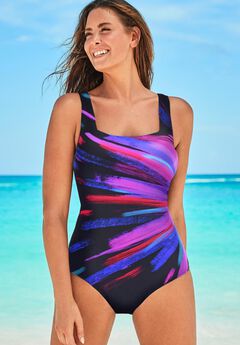
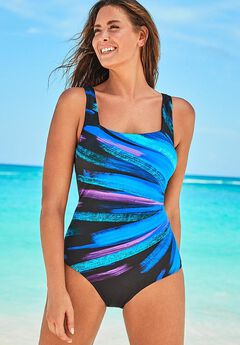 A blue one-piece swimsuit with tummy control, UPF 50 protection, and a flattering square neckline.What customers like:Chlorine resistance Flattering fit High quality material Sturdy built-in bra Comfortable and supportive
-
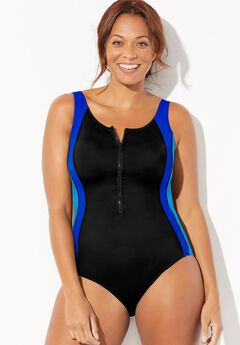 A chlorine-resistant one-piece swimsuit with tummy control, UPF 50 protection, and a functional front zipper.What customers like:Durable and high quality Perfect fit Flattering design Excellent support Easy to put on and take off
-
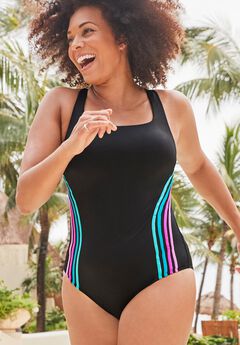 A chlorine-resistant one-piece swimsuit with tummy control and UPF 50 protection in vibrant stripes.What customers like:Chlorine resistance High quality Flattering fit Comfortable design Vibrant colors
-
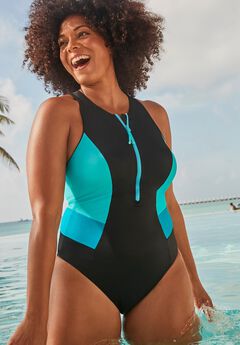 A blue high-neck one-piece swimsuit with chlorine resistance, tummy control, and UPF 50 protection.What customers like:Easy to put on with zipper Comfortable and secure fit High quality and well-made Chic and sporty appearance Flattering and slimming design
-
 A sleek black one-piece swimsuit with sculpted support, adjustable straps, and chlorine-resistant, UPF 50 fabric.
-
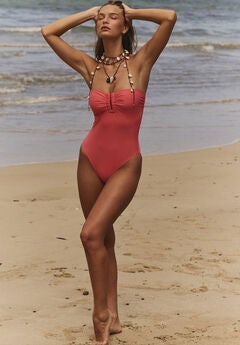 A strapless black bandeau one-piece swimsuit with gathered cup detailing, high-cut leg, and UPF 50 protection.
-
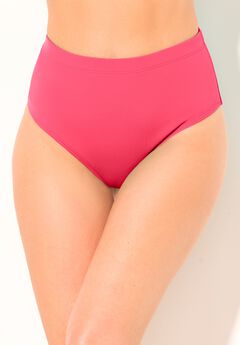 A pink, chlorine-resistant swim brief with full coverage, UPF 50 protection, and shape-retaining nylon-spandex fabric.What customers like:True to size and consistent sizing Flattering and confidence-boosting design Full coverage and stays in place Durable, chlorine-resistant material Comfortable and supportive fit
-
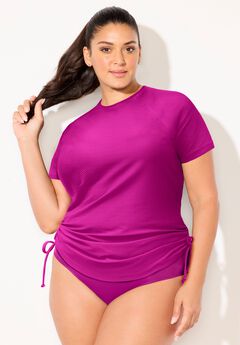 A quick-dry, chlorine-resistant swim tee with UPF 50, mock neck, and adjustable side ties.
-
 A deep V swim top with lightweight underwire, adjustable back, and fade-resistant recycled polyamide fabric.
-
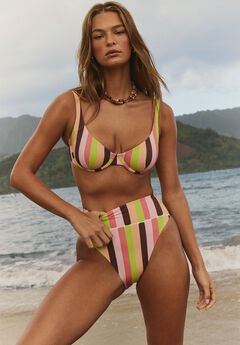 A curved, supportive swim top with flexible underwire and UPF 50, made from recycled polyamide blend.
-
 A curve-flattering, extra high-rise swim bottom in soft, stretchy recycled fabric with UPF 50 protection.
-
 A strapless, wireless bandeau swim top in fade-resistant, recycled fabric with gathered detailing and UPF 50 protection.
-
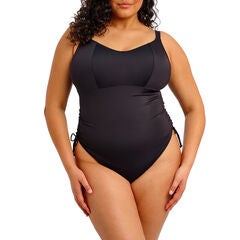 A black wireless swimsuit featuring seamed cups, adjustable straps, and chlorine-resistant XTRA LIFE LYCRA fabric.
Plus Size Chlorine Resistant Bathing Suits
Frequently Asked Questions
Start with the looks you already love, whether your wardrobe leans sporty, classic, or playful. Share your favorite colors, silhouettes, and details with your stylist so your swimwear feels personal.
Think about whether you prefer an open neckline, a higher neckline, or an asymmetric detail. Tell your stylist what you enjoy wearing, including how much coverage you prefer across your chest.
Choose a solid if you enjoy a simple look, or explore prints that reflect your personality. Your stylist can help you narrow your color direction without defaulting to basic black.
Pair your suit with a breezy cover-up or pull-on shorts for your poolside downtime. Add sandals and a sun hat to bring your swim look together without overcomplicating your outfit.
Follow your swimsuit’s care label, and rinse it in cool, fresh water after swimming. Check the washing and drying directions before choosing between hand-washing, machine-washing, or using your dryer.