Plus Size Clothes For Apple Shape
Find plus size clothes for apple shapes with your preferred waist placement and proportions in mind. Your stylist considers room through your middle and how you like your clothes to fall. One brand’s 1X can fit differently from another’s, so your stylist looks beyond the tag. Try your picks at home, with free exchanges if you need a different fit.
-
 A classic cotton long denim jacket featuring on-seam pockets and button cuff sleeves for versatile style.What customers like:Versatile and stylish design Deep and practical pockets Great length and coverage Well made and high quality Flattering and comfortable fit
-
 A white rayon-spandex tunic featuring a relaxed swing silhouette and versatile three-quarter sleeves.What customers like:Flattering swing silhouette True to size and fits well Wrinkle-free and easy to care for Versatile for layering and styling Comfortable and soft fabric
-
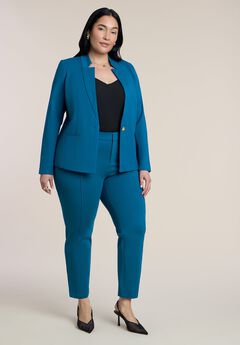 A tailored high-rise slim leg pant in blue, crafted from a compact stretch knit for comfort.What customers like:Flattering fit Durable construction Versatile style Comfortable stretch High-quality fabric
-
 A timeless 100% cotton denim jacket with a relaxed fit, classic collar, and functional front pockets.What customers like:Timeless and stylish design Versatile style Good quality material Comfortable fit Well made and durable
-
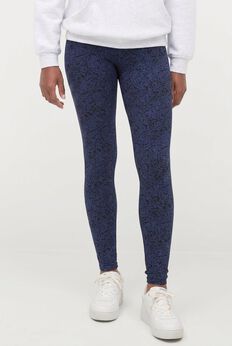 A pair of navy ankle-length leggings in lightweight cotton/spandex jersey with an elastic waistband.What customers like:Stay in place and hold shape Flattering and stylish appearance High quality and durable Versatile for different occasions Comfortable fit
-
 A lightweight grey cardigan crafted from 100% cotton with a V-neckline and ribbed detailing.What customers like:Useful pockets Lightweight and soft material Versatile style True to size Comfortable fit
-
 A breezy cotton jersey slub knit tee with a trapeze silhouette, scoop neck, and cap sleeves.What customers like:Versatile style for various occasions Provides good coverage and freedom of movement Flattering and comfortable fit Lightweight, breezy, and cool fabric Attractive design details and colors
-
 A timeless blue midi skirt crafted from non-stretch, 100% cotton denim with classic 5-pocket styling.What customers like:Versatile and timeless style High quality denim Durable construction Flattering and feminine Comfortable fit
-
 A red rayon-spandex jersey tunic featuring a flattering twisted knot-front and upper thigh length.What customers like:Flattering fit and design Comfortable and soft material Lightweight and cool to wear Good belly and arm coverage Versatile color and pattern options
-
 A green notch collar blouse in non-stretch woven crepe with an easy fit silhouette.What customers like:Lightweight and breathable fabric Easy to layer and style Versatile for various occasions Attractive color options Flattering fit and drape
-
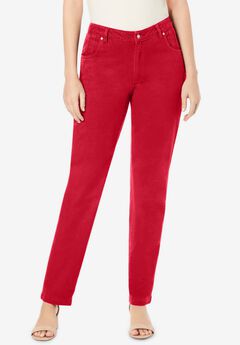
 A classic straight-leg jean crafted from non-stretch, 100% cotton denim with timeless 5-pocket styling.What customers like:Wide variety of color options Classic, timeless style Comfortable non-stretch denim Great fit for many body types High-quality, durable fabric
-
 A sleeveless, scoop-neck maxi dress crafted from stretchy cotton jersey for all-day comfort and style.What customers like:Flattering and true to size fit Comfortable and stretchy fabric Versatile styling options Good length and not see-through Easy care and low maintenance
-
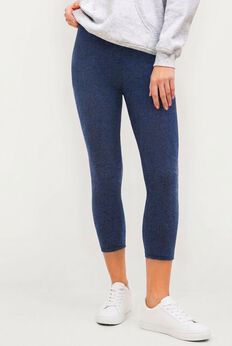 A pair of navy capri leggings made from lightweight cotton/spandex jersey with an elastic waistband.What customers like:Good quality and durability Lightweight and perfect for summer Attractive patterns and colors True to size and flattering for plus sizes Comfortable fit
-
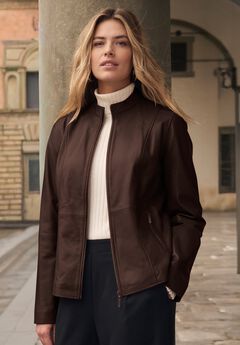 A brown genuine leather jacket featuring a zip-front closure, princess seams, and fully lined interior.What customers like:Beautiful color options Lightweight yet durable Stylish and versatile design Flattering and comfortable fit High quality, soft leather
-
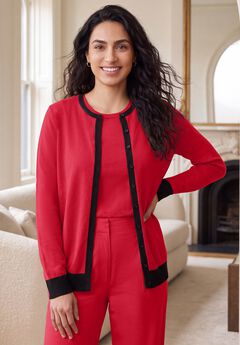 A red cotton-acrylic cardigan with a smooth fine-gauge knit, button-front closure, long sleeves, and hip-covering length.What customers like:Great color variety and appearance Soft, comfortable, and lightweight fabric High quality and well-made construction Versatile for layering and styling True-to-size fit with flattering shape
-
 A chic black stretch maxi dress featuring wide elbow-length sleeves, a tie-back sash, and a full skirt.What customers like:Flattering and versatile style Attractive colors and patterns Wrinkle-resistant and travel friendly Soft, stretchy, and quality fabric Comfortable fit
-
 A black jersey tank featuring a scoop neckline and delicate lace trim at the hem.What customers like:Beautiful lace trim and feminine details Versatile for layering and styling Soft, comfortable, and non-irritating fabric Flattering fit with great coverage and length Durable quality that washes well
-
 A black stretch jersey knit tank with a relaxed fit, bateau neckline, and wrinkle-resistant fabric.What customers like:Versatile style suitable for layering and work Comfortable stretch knit material Great length with excellent coverage Flattering and figure-friendly fit Wrinkle-resistant and easy care fabric
-
 An oversized black rayon jersey tunic featuring a V-neckline, dolman sleeves, and side slits.What customers like:Lightweight and breathable Soft, smooth fabric Flattering and flowy design Versatile styling Comfortable fit
-
 A high-stretch cotton-spandex straight-leg jegging with an elastic waist and back pockets for comfort.What customers like:Flattering and versatile style Good color and length options Durable and washes well Comfortable fit Soft, stretchy fabric
-
 A black wide-leg rayon pant with a flat front, back elastic waistband, pull-on design, and convenient side pockets.What customers like:Versatile style for various occasions Easy care and travel-friendly Flattering and flowy silhouette Soft and breathable fabric Comfortable fit
-
 A pair of white pull-on stretch denim jeans with an extra wide, smoothing waistband and side pockets.What customers like:Versatile styling and appearance Comfortable fit and waistband True to size with secure fit Good stretch and recovery Quality denim and construction
-
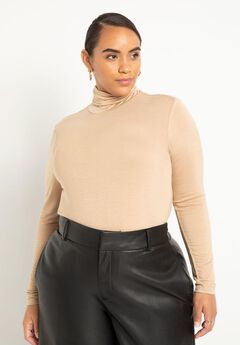 A fitted turtleneck top in soft, high-stretch rayon jersey with long sleeves and sleek layering.What customers like:Great fit Lightweight and breathable Soft material Versatile design Perfect for layering
-
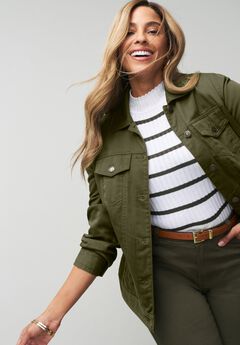
 A premium stretch denim jean in olive green with a contoured waistband and classic straight-leg silhouette.What customers like:True to size with good length choices High-quality, stretchy fabric Great fit and comfort Attractive color options Flattering straight-leg design
Plus Size Clothes For Apple Shape
Frequently Asked Questions
Start with silhouettes that give you room through your middle, such as A-line dresses and relaxed tops. Your stylist can help you balance those proportions with straight-leg pants or an open jacket. Your preferences guide your outfits, rather than a fixed set of body-shape rules.
Try V-neck tops, softly draped blouses, or tunics with side slits for different outfit options. Pair a relaxed top with streamlined pants, or try a partial tuck for more definition. Your stylist can help you choose details that feel natural to your personal style.
Pair straight-leg or bootcut jeans with a relaxed blouse, then add an open layer for definition. Your stylist knows sizing varies between brands, so your actual fit matters more than the tag. Share how you like your waistband to feel when sitting, standing, and moving.
Explore empire-waist, A-line, and shift dresses, depending on where you prefer definition or extra room. An empire seam adds definition higher on your torso, while a shift offers a straighter silhouette. Your stylist can help you choose based on your preferences and your plans.
Wear an open cardigan or jacket over your base outfit to create a vertical line. Experiment with layers that end at different points, rather than matching every hem exactly. Your stylist can help you vary lengths and proportions without making your outfit feel complicated.