Plus Size Comfy Outfits
Explore plus size comfy outfits for downtime and casual plans, with easygoing looks to suit your routine. Your stylist helps you navigate inconsistent sizing—one brand’s 1X can be another’s 3X—so you’re not choosing by the tag alone. Try your picks at home, with free exchanges if you need a different fit.
-
 A white French terry tunic hoodie with a zip front, drawstring hood, pockets, and ribbed trim.What customers like:Soft and quality material Durable and washes well Flattering longer length Versatile for layering and weather Comfortable fit
-
 A burgundy fit & flare maxi dress crafted from soft stretch cotton for all-day comfort.What customers like:Flattering fit Beautiful color Comfortable sleeve length Good stretch All-day comfort
-
 A plush fleece pullover in a relaxed, boxy silhouette with ribbed detailing and drop shoulders.What customers like:Roomy and comfortable fit Warm and suitable for everyday wear Soft and cozy feel Attractive color options Well-made with quality material
-
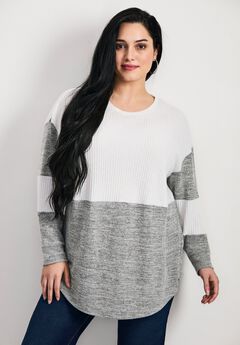 A chic grey top combining waffle and Hacci fabric, perfect for cozy, laid-back days.
-
 A sage green French terry jumpsuit with a belted waist and comfortable short sleeves.
-
 A chambray romper with cap sleeves, V-neck, and front tie, perfect for casual outings.
-
 A timeless 100% cotton denim jacket with a relaxed fit, classic shirt collar, and functional front pockets.What customers like:Versatile style Good quality material Classic and timeless design Comfortable fit Well made and durable
-
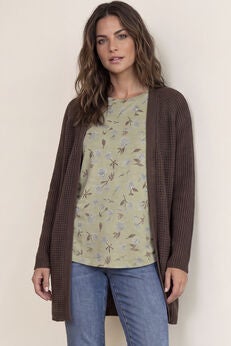
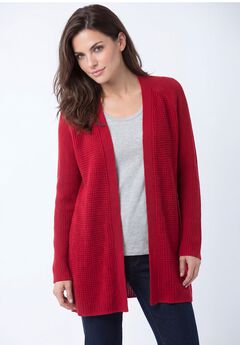 A red long cardigan in soft waffle-knit acrylic with an open front, ribbed details, and relaxed drape.What customers like:Soft, comfortable, and non-itchy Attractive colors and style Versatile and easy to wear Good fit with a flattering long length Warm and cozy
-
 A soft rayon-spandex jersey maxi skirt with a wide elastic waistband for effortless everyday comfort.What customers like:Soft and stretchy fabric Flattering and flowy design Versatile style Good length and coverage Comfortable fit
-
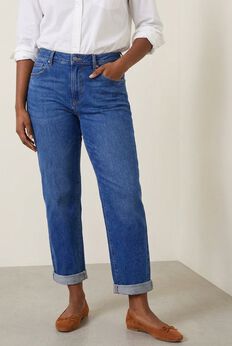 A relaxed-fit blue denim jean with a slightly tapered leg, 5-pocket styling, and zip-front closure.What customers like:Trendy and stylish Soft material Good quality construction Comfortable fit Flattering and true to size
-
 A lightweight red tunic in soft French terry with ribbed details and slanted front-zip pockets.What customers like:Versatile style Soft and quality material Functional zippered pockets Flattering longer length Comfortable fit
-
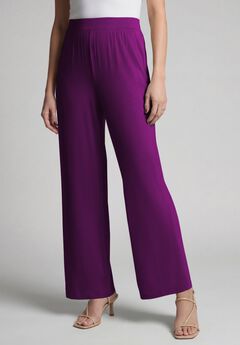 A purple wide-leg pant in soft rayon-spandex knit with stretch, drape, and a comfortable pull-on waistband.What customers like:Roomy, true-to-size fit with a nonbinding waist Easy-care, wrinkle-resistant and durable Flowy, lightweight, breathable drape Comfortable, soft, stretchy fabric Versatile style with varied colors and patterns
-
 A grey sleeveless maxi dress in stretchy jersey with a scoop neckline and slight A-line silhouette.What customers like:Flattering and true to size fit Versatile styling and layering Easy care and wrinkle resistant Good length and drape Comfortable and breathable fabric
-
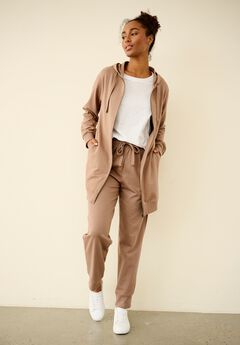 A pair of ankle-length, cotton-blend French terry joggers with ribbed cuffs and functional drawstring waist.What customers like:Washes well and durable quality Soft and lightweight fabric True to size and good sizing Very comfortable fit Functional drawstring waist and pockets
-
 A black jersey tank featuring a scoop neckline and delicate lace trim at the hem.What customers like:Beautiful lace trim and feminine details Versatile for layering and styling Soft, comfortable, and non-irritating fabric Flattering fit with great coverage and length Durable quality that washes well
-
 An oversized black rayon jersey tunic with dolman sleeves, V-neckline, and side slits for comfort.What customers like:Easy care and washability Soft, drapey fabric Flattering and roomy Versatile styling Comfortable fit
-
 A brown ultra-stretch denim jegging featuring a straight-leg silhouette and comfortable pull-on waistband.What customers like:Durable and holds shape after washing Flattering straight-leg style Versatile for work and casual wear Comfortable fit Soft, stretchy fabric
-
 A black wide-leg rayon pant with a flat front, back elastic waistband, pull-on design, and convenient side pockets.What customers like:Versatile style for various occasions Easy care and travel-friendly Flattering and flowy silhouette Soft and breathable fabric Comfortable fit
-
 A pull-on stretch denim jean with an extra wide waistband and side pockets for all-day comfort.What customers like:Versatile styling and appearance Stays in place and holds shape Comfortable fit and waistband Good stretch and fabric quality Flattering and smooth waist
-
 A pair of lightweight linen-blend capris featuring an elastic drawstring waist and multiple pockets for comfort.What customers like:Easy care and washable Variety of colors Cool and breathable for hot weather Soft, quality fabric Comfortable fit
-
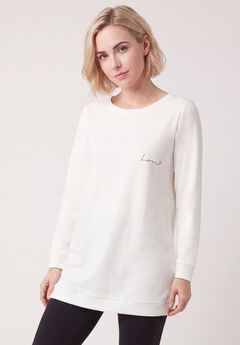 A soft white French terry tunic sweatshirt featuring a relaxed fit and 'Love' screenprint on the chest.What customers like:Lightweight yet warm Flattering, roomy tunic fit Great length for pairing with leggings Comfortable, soft fabric Cute and versatile design
-
 A brown stretch jersey knit pant with a wide-leg silhouette and comfortable pull-on elastic waistband.What customers like:Wrinkle-resistant and easy care Versatile for many occasions High quality material and construction Extremely comfortable Flattering fit and drape
-
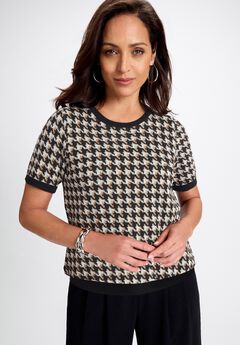 A polished fine-gauge cotton-acrylic knit shell with a crewneck and ribbed trim for versatile layering.What customers like:True to size and consistent sizing High quality and durable fabric Flattering and classic style Comfortable fit Versatile for layering and year-round wear
-
 A black straight-leg pant in soft cotton-blend knit with pull-on elastic waist and deep slash pockets.What customers like:Easy care and washability Deep and practical pockets True to size and flattering Soft and durable fabric Comfortable fit
Plus Size Comfy Outfits
Frequently Asked Questions
Pair relaxed pants with a simple top, then add an open layer for definition. Repeat one color in your shoes or bag to bring your outfit together. Your stylist can help you find combinations that feel comfortable without looking overly casual.
Start with your workplace dress code, then build around pieces you enjoy wearing all day. Try relaxed trousers with a polished top and loafers for an easy office combination. Tell your stylist about your typical workday so your outfits balance comfort with professional details.
Build your weekend outfit around your plans, whether you're meeting friends or keeping things low-key. Pair casual pants with a favorite tee, then add sneakers and a crossbody bag. Your stylist can suggest easy combinations that work with the pieces you already reach for.
Start with a simple base, then add a layer you can remove as temperatures change. An open cardigan or casual jacket gives you options without requiring a whole outfit change. Share your usual routine with your stylist to make layering feel less like guesswork.
Choose one finishing touch, like earrings, a scarf, or a bag, to make your outfit feel intentional. Keep your other accessories simple so getting dressed stays easy and true to your style. Your stylist can help you choose details that bring personality to your everyday combinations.