Plus Size Day Dresses
Find plus size day dresses for everyday plans, from running errands to lunch with friends. Your stylist helps you choose casual dresses with your routine and fit preferences in mind. A 1X can fit differently across brands, so your stylist looks beyond the size tag. Try your picks at home, with free exchanges if the fit isn’t right.
-
 A soft pink stretch cotton maxi dress with a fit-and-flare silhouette and short sleeves for comfort.What customers like:High quality fabric Versatile style Flattering silhouette True to size and color Comfortable fit
-
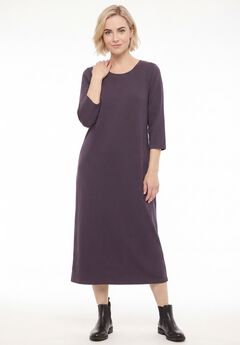 A soft cotton-spandex jersey maxi dress with three-quarter sleeves, scoop neckline, shaping seams, and back slit.What customers like:Flattering, forgiving fit with good coverage Quality, substantial, non-sheer construction Comfortable, soft, breathable fabric Versatile styling for multiple seasons Easy-care fabric that washes well
-
 A black rayon-spandex jersey tank dress featuring an A-line silhouette and scoop neckline for everyday comfort.What customers like:Lightweight and breathable for warm weather Versatile for multiple occasions Easy care and durable material Flattering and roomy fit Comfortable and soft fabric
-
 A black stretch jersey knit dress featuring a scoop neckline and crossover back for effortless style.What customers like:Flattering and stylish design Versatile for multiple occasions Cool and breezy for hot weather Easy care and washes well Comfortable fit
-
 A white cotton slub jersey dress featuring nautical stripes and an adjustable drawstring waist for comfort.What customers like:Flattering and cute appearance Versatile style Lightweight and breathable material Comfortable fit Adjustable drawstring waist
-
 A curve-flattering white and black maxi dress in soft stretch jersey knit with adjustable spaghetti straps.What customers like:Lightweight and perfect for summer Adjustable straps and easy fit Versatile style and suitable for many occasions Flattering fit for curves Comfortable and soft fabric
-
 A close-fitting midi dress in stretch matte jersey knit with a front twist and self ties.What customers like:Flattering fit Comfortable wear Versatile design High-quality fabric Chic and classy appearance
-
 A brushed cotton-spandex maxi dress featuring a scoop neck, A-line silhouette, and side godet details.What customers like:High quality and durable construction Vibrant colors and attractive design Flattering fit and silhouette Versatile for both casual and dressy occasions Comfortable and breathable fabric
-
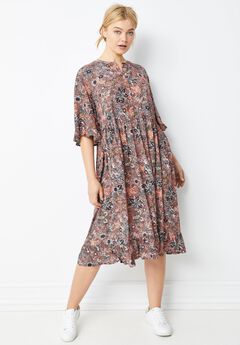 A multi-colored airy rayon crepe dress featuring delicate ruffles, a full flowy skirt, and elbow-length sleeves.What customers like:Lightweight and breathable fabric Versatile and easy to wear Comfortable and roomy fit Beautiful colors and prints Flattering and feminine style
-
 A navy 100% cotton maxi dress with crochet trim, tiered ruffles, and an adjustable V-neck bodice.What customers like:Beautiful color and appearance Versatile and easy to dress up or down High quality, breathable cotton fabric Flattering and suitable for plus sizes Comfortable fit
-
 A midnight crinkle chiffon dress featuring sheer long sleeves, ruffled tiers, and a flattering A-line silhouette.What customers like:Versatile styling options Easy care and wrinkle resistant Flattering and flowy design Comfortable fit Lightweight and airy fabric
-
 A high-stretch, off-the-shoulder maxi dress featuring a close-fit bodice and loose skirt in soft knit.What customers like:Comfortable and stretchy material Flattering fit Elegant and stylish design Beautiful color Versatile for different occasions
-
 A lightweight olive jersey dress featuring a V-neckline, short sleeves, and three flouncy tiered layers.What customers like:Easy to care for and washes well Versatile for different occasions High-quality, sturdy fabric Comfortable fit Flattering and cute style
-
 A stylish stretch denim dress featuring a mock neck, strong shoulders, and functional pockets.What customers like:High-quality material Flattering fit Versatile style Comfortable stretch True to size
-
 A retro-inspired midi dress featuring a stretch-smocked bodice, tiered full skirt, and blouson sleeves.What customers like:Flattering fit and design Comfortable and stretchy smocked bodice Stylish and receives compliments Versatile for different occasions Lightweight and airy fabric
-
 A white and multi-color knit midi dress featuring a surplice neckline, flutter sleeves, and waist tie.What customers like:Beautiful colors and print Flattering and comfortable fit High-quality, lightweight fabric Easy care and wrinkle-free Versatile style for events
-
 A black oversized shirt dress with a waist tie, crafted from drapey polyester for a chic look.
-
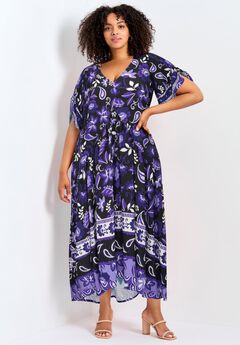 A lightweight purple maxi dress in soft viscose with a relaxed fit, short sleeves, and self-tie waist.
-
 A black tiered dress with a ruffled V-neckline, flutter sleeves, and convenient side pockets.
-
 A black ITY knit dress with a V-neckline, 3/4 blouson sleeves, and tailored bust panels.
-
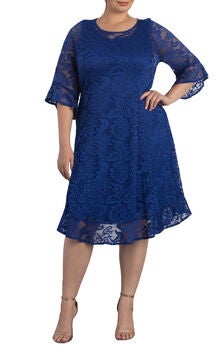 A feminine floral lace dress with a semi-fitted silhouette, peek-a-boo neckline, and flounce sleeves.
-
 A soft blue chambray dress with a button-front, collared neckline, and relaxed, tiered silhouette.
-
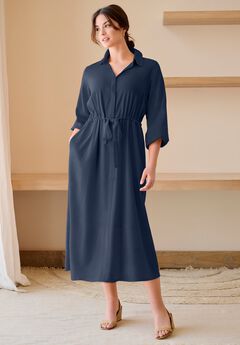 A navy linen-blend midi shirtdress featuring a notched neckline, drawstring waist, and side-seam pockets.
-
 A black cotton poplin midi dress with eyelet embroidery, flutter sleeves, and convenient side pockets.
Plus Size Day Dresses
Frequently Asked Questions
A day dress leans more casual than an occasion dress, making it easy to style for everyday plans. Your stylist can help you find details that feel right for your routine, whether that's lunch out or a workday.
Pair your day dress with sneakers or flat sandals, then add a crossbody bag for hands-free ease. Your stylist can help you choose finishing touches that feel personal without making your outfit feel overly dressed up.
Choose a day dress with a neckline and hemline that suit your workplace's dress code. Add loafers and a structured jacket, and tell your stylist how formal your office feels.
Swap your daytime shoes for dressier flats or ankle boots, then add earrings and a smaller bag. Keep the dress as your starting point so you can change the mood without planning another outfit.
Wear your day dress with sandals in warm weather, then add tights, boots, and a cardigan when temperatures drop. Share your layering preferences with your stylist so your outfits work with pieces you already enjoy wearing.