Plus Size Dresses With Slits
Explore plus size dresses with slits with your plans and preferred coverage in mind. Consider the slit’s height and placement, especially how it opens when you sit or walk. Your stylist knows one brand’s 1X can fit differently from another’s and can help you navigate sizing. Try your picks at home, with free exchanges if the fit needs adjusting.
-
 A black cotton-spandex jersey maxi dress featuring three-quarter sleeves, a scoop neckline, and a back slit.What customers like:High quality fabric Easy care Flattering shape Versatile styling Comfortable fit
-
 A sleek black bodycon dress with a crewneck, back zipper, and non-functional button placket.What customers like:High-quality material Flattering fit Elegant appearance Versatile style Comfortable fabric
-
 A pink rayon maxi dress featuring a floral print, crochet back, tassel tie waist, and front slit.What customers like:Flattering and versatile fit High quality and well made Comfortable and cozy feel Beautiful color and print Lightweight and easy to wear
-
 A red satin maxi dress with puff sleeves, subtle draping, and a dramatic front leg slit.
-
 A sleek mock neck velvet dress with a slit, featuring strong shoulders and an invisible back zipper.What customers like:Flattering fit Comfortable stretch Festive and sexy look Beautiful color Elegant design
-
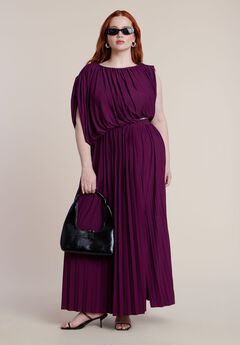 An elegant purple maxi dress featuring asymmetrical sleeves, side cutouts, and a pleated, high-stretch skirt.What customers like:Boosts confidence and receives compliments Flattering and elegant design Comfortable fit and fabric Beautiful, vibrant color Luxurious look and quality
-
 A vibrant multi-colored rayon maxi dress featuring a lace-trim V-neckline, ruffle sleeves, and tassel ties.What customers like:Versatile and easy to wear Beautiful and vibrant colors Soft and cozy material Stylish and unique design details Flattering and comfortable fit
-
 A vintage-inspired polyester midi dress featuring a wide collar, covered buttons, and a chic side slit.
-
 A shimmering pink sequin dress featuring a draped neckline, back slit, and fully lined stretch knit.
-
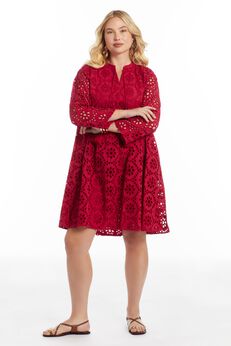 A breezy cotton eyelet shirtdress with a slit neck, tie detail, and full lining.
-
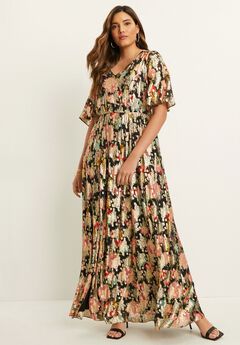 A black poly georgette maxi dress with a metallic print, sweetheart neck, and flutter sleeves.
-
 A long sleeve, boat neck midi dress in stretch knit plissé with a relaxed bodice and side slit.
-
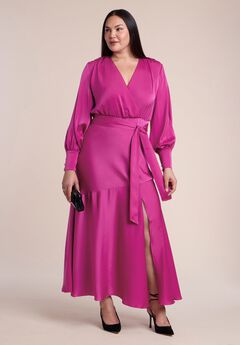
 A glamorous surplice maxi dress with a belted waist, blouson sleeves, and a front slit.
-
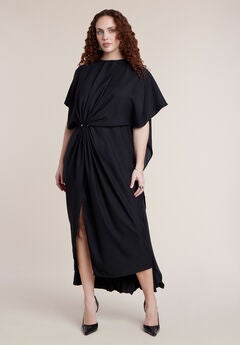 A dramatic black crepe maxi dress featuring a draped cape overlay, high-low hem, and front slit.
-
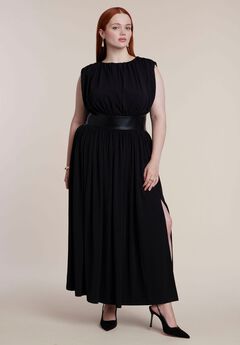 A black high-stretch knit maxi dress featuring a faux leather corset waist, shirring, and front slit.
-
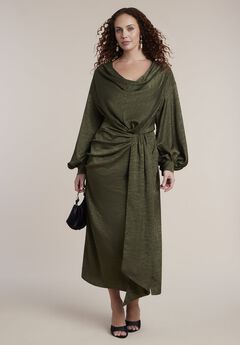 A richly textured olive jacquard dress with fluid draping, cowl neckline, puff sleeves, and front slit.
-
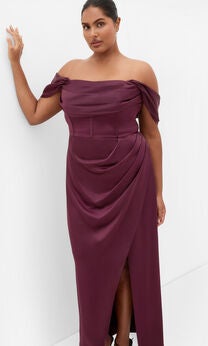 A purple lined maxi dress featuring an off-shoulder neckline, boned bodice, gathered waist, and dramatic skirt slit.
-
 A figure-flattering bodycon dress with an open back and slit, crafted from polyester and spandex.
-
 A black cotton wrap maxi dress with slit sleeves and an asymmetrical hem for an intriguing silhouette.
-
 A burgundy velvet maxi dress with a v-neckline and subtle side slit for elegant evenings.
-
 A stylish maxi dress with flounce details, elastic waist, and flowy A-line skirt with side slits.
-
 A sleeveless Tencel midi dress with side slits, a self-tie belt, and practical pockets.
-
 An elegant polyester maxi dress with a surplice neckline, kimono sleeves, and a sultry front slit.
-
 A soft-touch Tencel denim midi dress with a lace-up front and Bohemian-inspired v-neckline.
Plus Size Dresses With Slits
Frequently Asked Questions
Start with the invitation’s dress code, then choose accessories that match the level of formality. Your stylist can help you pull everything together, from understated earrings to a clutch that complements your dress.
Let your plans guide your shoes: sneakers feel casual, while strappy heels create a dressier finish. Your slit gives your footwear a little more attention, so try a contrasting color when you want your shoes to stand out.
A front slit creates an opening at the center of your skirt, making it a focal point. A side slit adds an off-center detail that becomes more noticeable as you move. Your stylist can help you choose the look that feels most like you.
Pair your dress with sneakers or flat sandals, then add a denim jacket for a relaxed finish. Keep your accessories simple—a crossbody bag and your everyday earrings can make the outfit feel easygoing rather than occasion-ready.
Try a cropped jacket to keep your dress’s skirt visible, or a longer cardigan for a relaxed look. Your stylist can help you coordinate the layer with your neckline and hemline so each piece feels intentional.