Plus Size Floor-Length Black Dresses
Explore plus size floor-length black dresses for formal events and special evenings that call for a full-length look. Consider your height and the shoes you’ll wear when deciding where you want your hem to fall. Your stylist knows the same size can fit differently across brands and helps you navigate those differences. Try your picks at home, with free exchanges if you need a different fit.
-
 A black sleeveless maxi dress in stretchy cotton jersey with a scoop neckline and slight A-line silhouette.What customers like:Versatile styling and layering Easy care and wrinkle resistant High quality cotton material Comfortable and stretchy fit Flattering and true to size
-
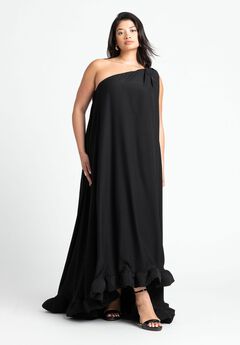 A floor-length black georgette gown featuring an asymmetrical neckline and dramatic ruffle high-low hem.What customers like:Dramatic ruffles Flattering fit Comfortable wear Gorgeous color Received many compliments
-
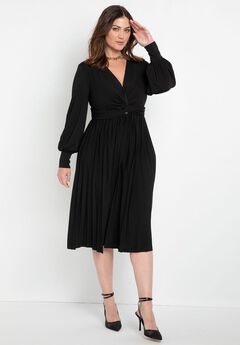
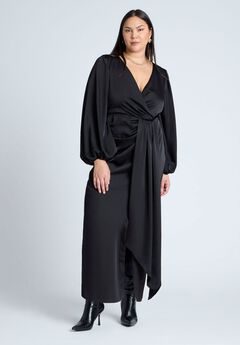 A floor-length black satin dress featuring puff sleeves, a surplice neckline, and a draped front slit.What customers like:High-quality material Flattering fit Chic and elegant Stunning design Perfect for special occasions
-
 A sleeveless black dress with a romantic sweetheart neckline and a swingy silhouette.What customers like:Beautiful design Flattering fit Versatile style True to size Comfortable fabric
-
 A black satin maxi dress featuring a draped neckline and a close-fit bodice with a loose skirt.
-
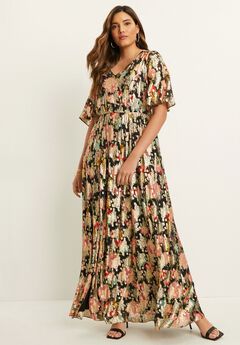 A black poly georgette maxi dress with a metallic print, sweetheart neck, and flutter sleeves.
-
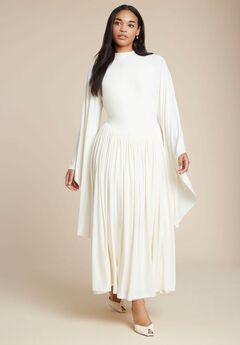 A flowy black jersey maxi dress featuring a close-fit bodice, long raglan sleeves, and back slit.
-
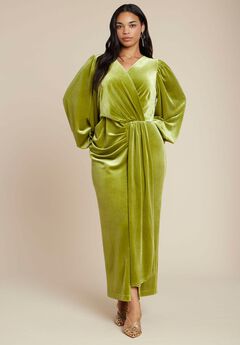 A floor-length black velvet dress with puff sleeves, soft pleating, surplice neckline, and front leg slit.
-
 A black metallic maxi dress with ruffled yoke, adjustable straps, and a dramatic flowing hem ruffle.
-
 A glamorous black maxi dress featuring metallic threading, a V-neckline, gathered bust, and full-length sleeves.
-
 A lightweight black wrap dress with elbow-length sleeves, ruffled tiered skirt, and graceful maxi length.
-
 A black stretch-jersey maxi dress with cape overlay, boat neckline, shirred dropped waist, and floor-length skirt.
-
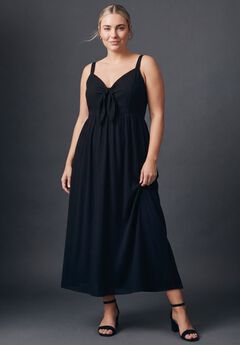 A lightweight black viscose maxi dress featuring a sweetheart neckline, tie-front detail, adjustable straps, and flowing silhouette.
-
 A chic black polyester maxi dress featuring bishop sleeves, a keyhole cutout, and elegant ribbon detail.
-
 A sleek black kimono wrap maxi dress with wide sleeves and a waist-defining tie closure.
-
 An edgy black maxi dress with shoulder cut-out, made from soft rayon-spandex jersey fabric.
-
 A glamorous black sequin gown with a V-neckline and soft knit lining for comfort.
-
 A chic black fit-and-flare dress with a cozy turtle neck and convenient side pockets.
-
 A black cotton maxi dress with playful floral print, shirred tiers, and adjustable self-tie spaghetti straps.
-
 A shimmering sequin lace gown with flutter sleeves, surplice neckline, and hidden pockets in black.
-
 An elegant black floor-length gown with a surplice bodice, 3/4 sleeves, and a flattering cinched waist.
-
 A black polyester-spandex maxi dress featuring a surplice neckline, ruched waist, and flowing side-slit skirt.
-
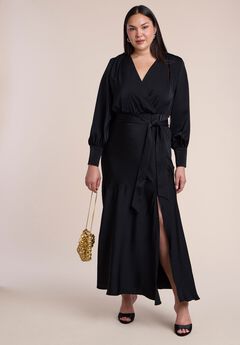 A dramatic black satin maxi dress featuring strong shoulders, a surplice bodice, and an A-line skirt.What customers like:High-quality material Beautiful and elegant design Comfortable and flattering fit Versatile for various occasions Received many compliments
-
 A chic black maxi dress with wide elbow sleeves, tie-back sash, and a flattering fit-and-flare silhouette.What customers like:Wrinkle-resistant and travel friendly Flattering silhouette Versatile for different occasions Comfortable fit Soft, breathable fabric
Plus Size Floor-Length Black Dresses
Frequently Asked Questions
A floor-length black dress can be a starting point for evening weddings, galas, and formal celebrations. Let your invitation’s dress code guide how understated or elaborate your look should feel. Your stylist can help you choose details that match the occasion without losing your personal style.
Choose your shoes around the mood you want: pointed-toe flats feel understated, while embellished heels add evening polish. Consider how much of your shoe shows beneath your hem. Your stylist can help you coordinate the dress and shoes so they feel like one complete look.
Start with your neckline, then decide where you want the focus. Statement earrings can complement a high neckline, while a pendant can echo an open neckline. If your dress has decorative details, keep your jewelry quieter so your favorite elements have room to stand out.
Try a cropped jacket for a defined waistline, a tailored blazer for structure, or a wrap for evening polish. Think about the full outfit rather than treating your layer as an afterthought. Your stylist can help you balance the lengths and details with your dress.
Yes, especially when your dress has a relaxed silhouette and minimal embellishment. Add a denim jacket, simple flats, and an everyday bag to shift the mood away from eveningwear. Keep your accessories casual, and let the long silhouette be the focal point of your outfit.