Plus Size Hooded Raincoats
Explore plus size hooded raincoats for rainy-day layering, with your stylist helping you navigate fit. Your stylist knows one brand’s 1X might be another’s 3X and considers what you’ll wear underneath. Try your picks at home to check the fit over your usual layers, with free exchanges if you need an adjustment.
-
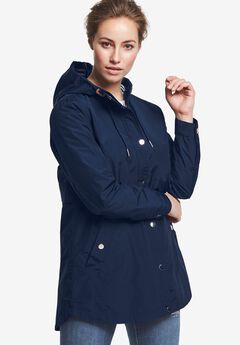 A navy water-resistant cotton-nylon raincoat featuring a hood, snap cuffs, high-low hem, and double zipper.What customers like:Flattering and true to size fit Lightweight and comfortable High quality and well made Stylish and cute design Effective rain protection
-
 A navy weather-resistant raincoat with a drawstring hood, inner lining, and reflective trim details.
-
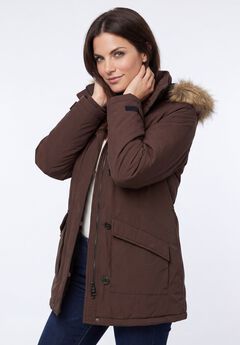
 A black water-resistant parka with faux fur trim, zip-off hood, and adjustable waist for cozy warmth.What customers like:Water-resistant and windproof Convenient pockets and features Warm and cozy Flattering and comfortable fit Stylish appearance
-
 A blue fleece-lined rain jacket with adjustable hood, zip closure, and soft flannel interior.
-
 A navy water-resistant parka with faux fur hood, sherpa trim, fleece-lined pockets, and adjustable details.What customers like:Lightweight yet protective Flattering and stylish fit Warm and cozy High quality construction Spacious and well-placed pockets
-
 A black mid-length hooded parka coat with vegan down, perfect for cold weather.
-
 A black fleece-lined rain jacket with water-repellent fabric, adjustable waist, and five practical pockets.
-
 A pink, windproof, water-resistant anorak coat with faux fur lining and multiple pockets for cold weather.
-
 A lightweight black anorak jacket with zip-up pockets, adjustable drawstrings, and a cozy lined hood.
-
 A lightweight yellow trench coat with a drawstring waist, waterproof lining, and zip closure.
Plus Size Hooded Raincoats
Frequently Asked Questions
Start with your favorite jeans and a simple knit, then add sneakers for an easygoing finish. Let your raincoat bring the personality through its color, shape, or visible details. Your stylist can help connect your outerwear preferences with the outfits you already enjoy wearing.
Look for understated hardware, simple pocket designs, and a defined collar for a more polished feel. A streamlined shape pairs naturally with tailored pants and loafers without making your outfit feel formal. Tell your stylist which details you love so your outerwear reflects your personal style.
Use your hemlines to create an intentional layered look, letting your dress or skirt show beneath your raincoat. Pair a casual skirt with sneakers, or wear ankle boots with a knit dress. Keep the colors connected when you want your layers to feel especially pulled together.
Start with the colors you reach for most often in your everyday wardrobe. Navy, black, and olive offer understated options, while brighter colors can make your raincoat the focal point. If you enjoy prints, repeat one of their colors elsewhere in your outfit.
Choose a crossbody bag for a casual look, or carry a structured tote for a dressier finish. Keep scarves loosely arranged around your neckline so they don't compete visually with your hood. Your stylist can help you coordinate accessories without making every detail match.