Plus Size Maxi Dresses For Weddings
Find plus size maxi dresses for weddings with your invitation’s dress code and personal style in mind. Explore full-length options for your wedding guest look, with your stylist helping you navigate fit. One brand’s 1X can fit differently from another’s, so your stylist looks beyond the tag. Try your picks at home, with free exchanges if you need a different fit.
-
 A chic black maxi dress with wide elbow sleeves, tie-back sash, and a flattering fit-and-flare silhouette.What customers like:Wrinkle-resistant and travel friendly Flattering silhouette Versatile for different occasions Comfortable fit Soft, breathable fabric
-
 A pink rayon maxi dress featuring a floral print, crochet back, tassel tie waist, and front slit.What customers like:Flattering and versatile fit High quality and well made Comfortable and cozy feel Beautiful color and print Lightweight and easy to wear
-
 A red satin maxi dress with puff sleeves, subtle draping, and a dramatic front slit.
-
 A sheer mesh-overlay maxi dress with a strapless midi lining and elegant ruffle collar.
-
 A black maxi dress with kimono sleeves and a draped front, made from rayon and spandex.
-
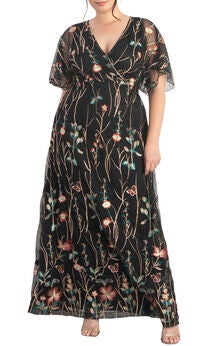
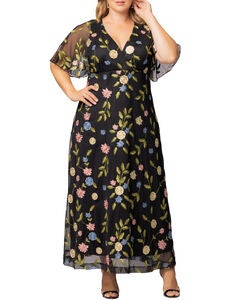 An elegant black maxi dress featuring stunning floral mesh embroidery and a flattering empire waist.
-
 An off-shoulder navy maxi dress with a tulip skirt and luxurious satin lining.
-
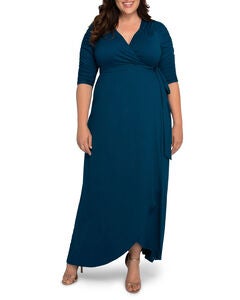 A carefree floral print maxi wrap dress with a ruched yoke and slight hi-lo hemline.
-
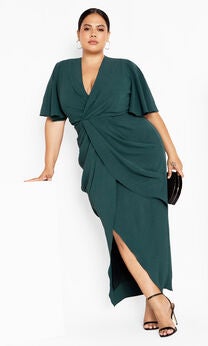 An emerald maxi dress with a tulip skirt, flutter sleeves, and elegant front draping detail.
-
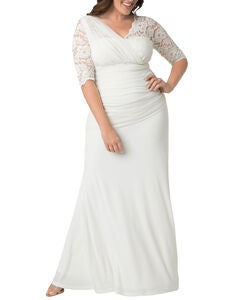 An exquisite plus size lace gown with a faux mesh one-shoulder and asymmetrical drop waist design.
-
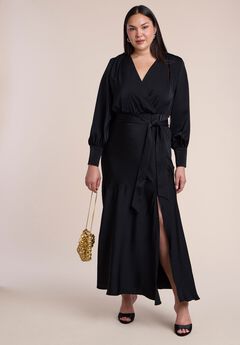
 A glamorous surplice maxi dress with a belted waist, blouson sleeves, and a front slit.
-
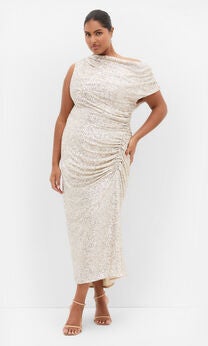 A beige maxi dress featuring an off-shoulder neckline, gathered hip detail, and stretchy all-over sequins.
-
 A regal onyx gown with sequin lace, V-neckline, and flutter cape sleeves for elegant occasions.
-
 A blue floral wrap maxi dress with ruched yoke, hi-lo hem, and soft polyester-spandex blend.
-
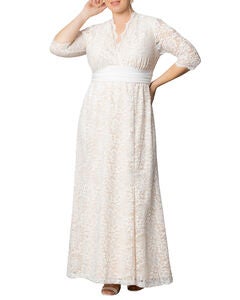 An elegant off-white lace wedding gown with a surplice neckline and flattering trumpet skirt.
-
 A chic plus size wedding dress with dot mesh, one shoulder illusion, and flattering gathered waistband.
-
 An elegant blue A-line gown featuring a V-neck, impressionist-print skirt, draped sleeves, and pockets.
-
 A purple halterneck maxi dress with an elastic waistband, keyhole back, and side slit.
-
 A luxurious evening gown with a velvet bodice, gold floral skirt, and dramatic draped sleeves.
-
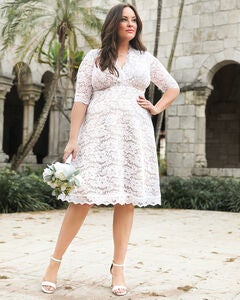
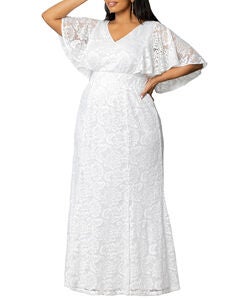 An elegant ivory lace wedding dress with a V neckline, flutter sleeves, and a flared skirt.
-
 A stylish maxi dress with flounce details, elastic waist, and flowy A-line skirt with side slits.
-
 A black off-the-shoulder satin maxi dress with pleated bodice and romantic covered buttons down the back.
-
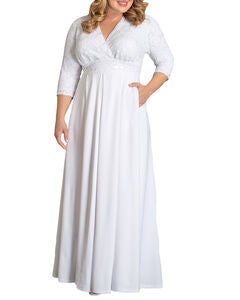 A glamorous white gown featuring a sequined lace bodice, 3/4 sleeves, and a pleated A-line skirt.
-
 An elegant onyx A-line gown in stretch floral lace with a surplice neckline and practical pockets.
Plus Size Maxi Dresses For Weddings
Frequently Asked Questions
Yes, but choose your dress by the invitation’s dress code, not its length alone. For a formal wedding, look for an elegant silhouette and details that feel evening-ready. Your stylist can help distinguish a relaxed maxi from a dress suited to the occasion.
Choose your color around the wedding’s setting, season, and any guidance from the couple. Jewel tones can feel polished for evening, while softer shades and prints suit many daytime celebrations. Skip white, ivory, and anything that reads as bridal unless the couple specifically requests it.
Start with the venue, especially whether you’ll be walking across grass, sand, or uneven paths. Choose shoes suited to that setting, and check that your hem clears the ground while walking. Your stylist can also suggest a coordinating layer for cooler temperatures after sunset.
Let your dress’s neckline, print, and detailing guide the accessories rather than adding everything at once. Try statement earrings with an open neckline, or keep jewelry understated when your dress has intricate details. Your stylist can help finish your look with a coordinating bag and shoes.
Plan your look around both settings so you won’t need a complete outfit change between events. Bring a coordinating wrap or jacket if the ceremony calls for covered shoulders. Your stylist can help you choose finishing touches that transition naturally from the ceremony to dancing.