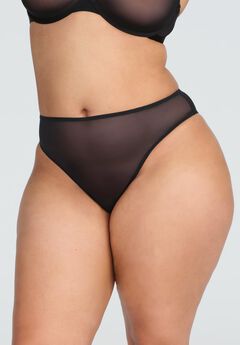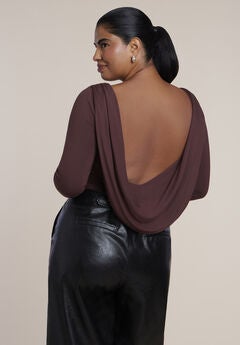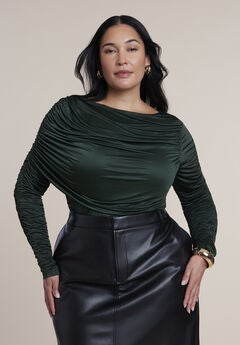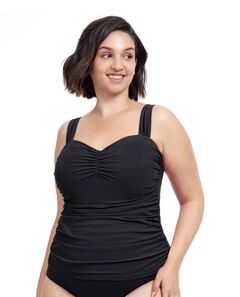
Plus Size Medium-Control Shaping Bodysuits

Start with the way you want your clothes to feel, then choose your foundation. Plus size medium-control shaping bodysuits offer smoothing support without aiming for the strongest hold. Your stylist knows that one brand’s 1X can fit differently from another’s, so your measurements matter more than the tag. Consider your outfit’s neckline, hemline, and fabric as you compare coverage.
SORT BY

Sort By

Sort By

FILTER BY

Plus Size Medium-Control Shaping Bodysuits

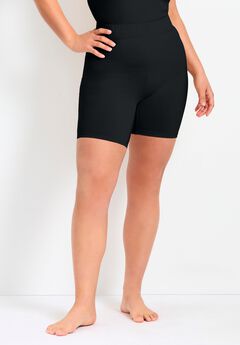
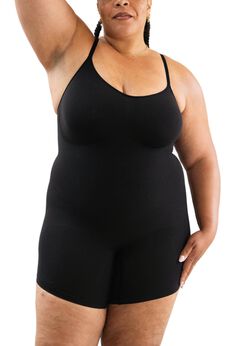
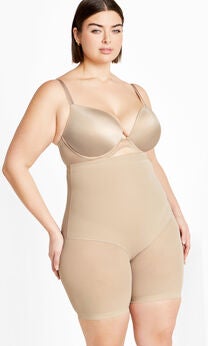
Plus size medium-control shaping bodysuits provide moderate compression through the torso, creating a smoother foundation beneath your clothes. They sit between light smoothing layers and firmer shapewear, offering noticeable support without the most structured feel. Medium control is not a standardized rating, so fabric, construction, and your proportions all affect the experience. Your stylist can help translate those differences into a fit that suits your outfit and your day. A bodysuit connects the upper body and bottom in one garment, reducing the gap between separate layers. That continuous shape can be useful beneath a fitted dress, a tucked blouse, or tailored pants. Some designs concentrate support around the stomach and waist, while others distribute it across the torso. Open-bust styles leave room for your own bra, making them useful when you already have dependable support. Closed-bust designs incorporate coverage through the chest, though built-in compression does not necessarily replace a supportive bra. Adjustable straps can help position the neckline and distribute tension, especially when your torso needs extra length. Brief, thong, and mid-thigh cuts create different foundations, depending on where you want coverage beneath your outfit. A brief offers familiar bottom coverage, while a thong minimizes coverage across the seat. Mid-thigh versions extend support down the legs, but their hems need to work with your clothing. Your stylist considers those details together rather than choosing a control level from the label alone. Size is just a number: one brand’s 1X might fit like another brand’s 3X. Your actual measurements and preferred feel matter more than matching the size of your everyday tops. A smaller size does not make a medium-control bodysuit perform better; it can create digging and unwanted tension. The right fit should feel secure while allowing you to sit, walk, and breathe comfortably. Think of the finished effect as a more even base for your clothes, not a different body shape. Your stylist’s job is to help your foundation work with your proportions and the clothes you enjoy wearing.

The fabric blend makes a noticeable difference in how your shaping bodysuit stretches, recovers, and feels against your skin. Nylon and spandex are common partners because they combine a smooth surface with flexible stretch. Polyester blends also appear in shapewear, while some designs include a cotton-lined gusset for next-to-skin comfort. Fiber percentages offer useful context, but they do not tell the whole story about control. A densely knitted panel may feel more supportive than a lighter fabric with a similar blend. Knit-in shaping zones can provide targeted compression without adding a separate layer throughout the garment. Seams, linings, and reinforced panels may create more structure, particularly around the waist or lower stomach. Seamless construction reduces certain seams, but it does not mean every edge will disappear beneath clothing. Bonded or raw-cut openings can create a lower-profile finish, depending on their placement and your outfit. A thin knit dress may reveal an edge that stays unnoticed beneath a lined skirt. Your stylist can help match those construction details to the fabrics you actually wear. Torso length deserves just as much attention as your bust, waist, and hip measurements. A bodysuit that is too short can pull at the shoulders or crotch, even when its width seems right. Extra torso length may collect at your waist or prevent shaping panels from sitting where intended. Leg openings should stay in place without cutting into your skin, and straps should not carry all the tension. For a closed-bust style, check that your chest has enough room without compression spilling over the neckline. For an open-bust style, check where the upper edge sits against your bra band and cups. Bathroom access matters, too: gusset closures differ in placement and ease of use. Your foundation should suit an ordinary workday or a long dinner, not just a standing mirror check. Sitting in your intended outfit helps reveal bunching, visible edges, or pressure that might otherwise go unnoticed.

Intended use helps narrow the details that matter most in plus size medium-control shaping bodysuits. For everyday layering, a flexible fabric and uncomplicated closure may matter more than highly targeted shaping panels. Under a dress for a wedding or another celebration, neckline depth and leg coverage deserve particular attention. A low back, wide neckline, or side slit can expose an otherwise useful foundation. Your stylist can think through those sightlines with you before your outfit is complete. Match the bodysuit to your clothing rather than expecting one cut to suit every neckline and hem. A shade close to your skin tone often creates less contrast beneath light-colored fabrics than bright white. Under darker or more substantial clothing, color may be less important than seam placement and surface texture. Shaping bodysuits are usually foundation garments, so opacity and coverage should be checked before wearing one as a visible top. For a broader range of layering options, explore Women's Plus Size Bodysuits with your stylist and distinguish shaping foundations from styles intended to show. Thoughtful care helps preserve the stretch and recovery that make your shaping layer useful. Follow the garment’s care label, since bonded edges, elastic, and closures can require different handling. When machine washing is permitted, a mesh laundry bag can help limit snagging against other garments. Fasten closures before washing when directed, and avoid excessive heat unless the care label allows it. Air-drying is often recommended for stretch garments because repeated high heat can weaken elastic fibers. Avoid fabric softener or bleach when the label advises against them, and let your bodysuit dry fully before storing. Over time, stretched openings, loose straps, damaged closures, or panels that no longer recover can change the fit. Your stylist can help separate a sizing issue from a garment that has lost its support. Trying your box at home lets you assess your foundation alongside your own clothes, without a rushed fitting-room decision. Follow intimate-apparel try-on instructions, and ask your stylist how free exchanges apply if your fit needs adjusting. The goal is dependable support that lets you concentrate on your plans instead of repeatedly adjusting your layers.

FAQ