Plus Size Modest Evening Dresses
Explore plus size modest evening dresses with your preferred coverage for weddings, formal dinners, and other special occasions. Your stylist considers your dress code and fit preferences, knowing that one brand’s 1X can fit differently from another’s. Try your picks at home, with free exchanges if you need a different fit.
-
 An elegant blue A-line gown featuring a printed chiffon skirt, V-neckline, draped sleeves, and pockets.
-
 A modest plus size prom dress in Arctic Frost with cap sleeves and glittering sequins.
-
 A retro-inspired midi dress featuring a stretch-smocked bodice, tiered full skirt, and blouson sleeves.What customers like:Flattering fit and design Comfortable and stretchy smocked bodice Stylish and receives compliments Versatile for different occasions Lightweight and airy fabric
-
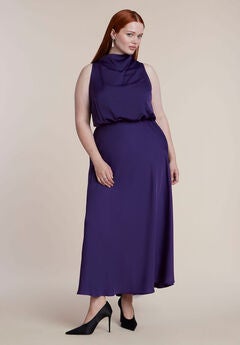 A non-stretch polyester satin maxi dress with a draped neckline, elastic waist, and fluid lined skirt.
-
 An elegant navy lace gown with a ruched waistband, scalloped neckline, and three-quarter sleeves.
-
 A stunning pleated midi dress with sheer blouson sleeves and a deep V-neckline.
-
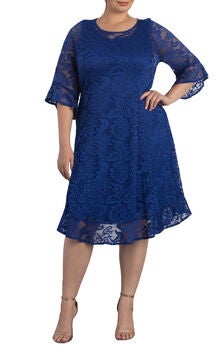 A feminine floral lace dress with a semi-fitted silhouette, peek-a-boo neckline, and flounce sleeves.
-
 An elegant onyx gown featuring a sequin bodice, pleated A-line skirt, and convenient pockets.
-
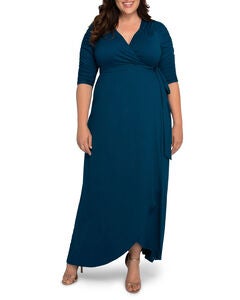
 A floor-length blue gown with a surplice bodice, 3/4 sleeves, and a flattering elasticated waist.
-
 A chic stretch midi dress in a flattering A-line silhouette with long gathered sleeves and convenient pockets.
-
 A sophisticated black midi wrap dress featuring stretch lace yoke, mesh lining, and three-quarter sleeves.
-
 A flowing A-line gown featuring a draped V-neckline, soft gathers, and long sleeves for elegant comfort.
-
 A navy velvet gown featuring a draped one-shoulder neckline and flattering A-line silhouette.
-
 A luxurious poly-spandex midi dress with a deep V-neck, pleated bodice, dolman sleeves, and hidden pockets.
-
 A navy stretch A-line midi dress with long gathered sleeves, surplice V-neckline, and convenient pockets.
-
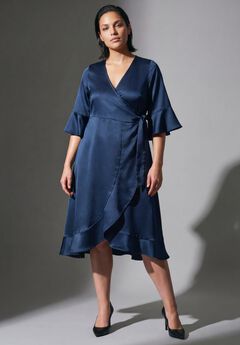 A navy satin wrap dress featuring soft ruffle details, statement sleeves, and convenient side slit pockets.
-
 A romantic V-neck maxi dress in soft stretch jersey with adjustable tie straps and cascading ruffle tiers.
-
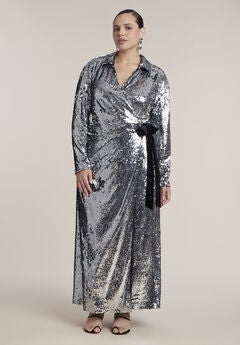 A silver sequin maxi dress with surplice wrap, velvet waist ties, shirt collar, and long sleeves.
-
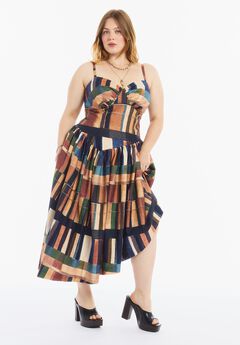 A smooth cotton sateen midi dress featuring a fitted bustier bodice, gathered drop waist, and asymmetric hem.
-
 A chic color-blocked maxi dress featuring a stretch knit bodice, balloon sleeves, and ruffled hem.
-
 A black polyester-spandex maxi dress with an elasticated empire waist, V-neck, and short sleeves.
-
 A chic pleated midi dress with blouson sleeves, crafted from 100% polyester for versatile elegance.
-
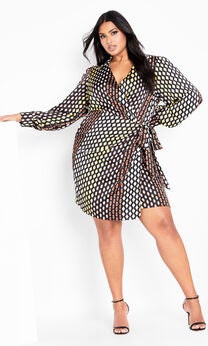 A chic black and orange mini dress with a collared faux wrap V-neckline and textured satin fabric.
-
 A silver metallic knit dress with a tie front and long flutter sleeves for elegant evenings.
Plus Size Modest Evening Dresses
Frequently Asked Questions
Start with your preferred neckline, sleeve length, and hemline, then share those details with your stylist. Higher necklines, longer sleeves, lined bodices, and skirts without high slits are useful details to discuss.
Share your invitation’s dress code with your stylist so she can guide your evening look. A floor-length silhouette can suit a black-tie setting, while a dressy midi may suit a cocktail reception.
Ask your stylist to consider a coordinating jacket, bolero, or wrap alongside your dress. A jacket offers more consistent coverage, while a wrap gives you flexibility throughout your evening.
Let your dress’s neckline and detailing guide your jewelry, rather than adding every accessory at once. With a high neckline, consider earrings and a bracelet; your stylist can help bring everything together.
Your modest evening look can include rich color, soft neutrals, or prints that reflect your personal style. Tell your stylist whether you prefer a statement dress or a quieter backdrop for your accessories.