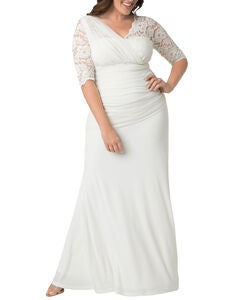
Plus Size Mother Of The Bride Dress Ideas
Explore plus size mother of the bride dress ideas with the wedding’s dress code and your personal style in mind. Compare special-occasion dress options with an eye toward the venue, season, and comfort throughout the celebration. Your stylist can help navigate sizing differences between brands, while at-home try-ons and free exchanges let you check your fit without pressure.
-
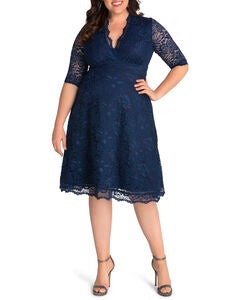 A navy lace A-line midi dress with scalloped details and a flattering fit-and-flare silhouette.
-
 A regal onyx gown with sequin lace, V-neckline, and flutter cape sleeves for elegant occasions.
-
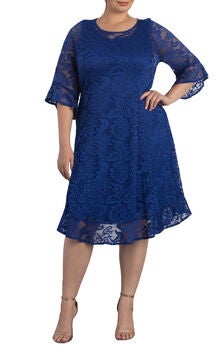
 An elegant blue A-line gown featuring a V-neck, impressionist-print skirt, draped sleeves, and pockets.
-
 An onyx lace A-line midi dress with a scalloped design and three-quarter sleeves.
-
 An elegant onyx lace gown with flutter sleeves and a flattering fit-and-flare silhouette.
-
 An elegant velvet evening gown with gold floral skirt, V neckline, and hidden pockets.
-
 An elegant royal off-the-shoulder gown with rouched details, crafted from comfortable stretch knit fabric.
-
 An elegant mesh gown with floral embroidery, featuring a surplice neckline and sheer long sleeves.
-
 A plus size lace evening gown with flutter sleeves, a V neckline, and a softly flared skirt.
-
 A shimmering metallic maxi dress with flutter sleeves, surplice neckline, and a curve-defining waistband.
-
 An elegant blue maxi dress featuring ruffle details, a surplice neckline, and a ruched waistband.
-
 An elegant black velvet gown with gold metallic floral skirt, draped sleeves, and hidden pockets.
-
 A gold floor-length gown in two-tone stretch lace with tiered layers, flowy sleeves, and scalloped neckline.
-
 An enchanting navy mesh evening gown with 3D floral embroidery, surplice neckline, and sheer full sleeves.
-
 A textured chiffon evening gown featuring flutter sleeves, V-neckline, and cascading sheer flounce tiers.
-
 An elegant onyx lace cocktail dress with a surplice V-neckline, scalloped hem, and A-line silhouette.
-
 A fluid jersey evening gown with cascading ruffles, V-neckline, three-quarter sleeves, and an elastic waist.
-
 An elegant navy mesh gown featuring an embroidered bodice, sheer long sleeves, and a ruched waistband.
-
 An elegant metallic floral lace gown with sheer sleeves and a dramatic cowlneck, perfect for special occasions.
-
 A navy gown featuring a sequin bodice, pleated A-line skirt, and convenient pockets.
-
 A stretchy black lace midi dress with a V-neck and 3/4 sleeves, featuring a zip closure.
-
 An elegant black floor-length gown with a surplice bodice, 3/4 sleeves, and a flattering cinched waist.
-
 A romantic onyx lace midi dress with flutter sleeves, V-neckline, flowing skirt, and discreet pockets.
-
 An elegant onyx stretch lace midi dress with balloon sleeves, illusion neckline, and comfortable full lining.
Plus Size Mother Of The Bride Dress Ideas
Frequently Asked Questions
Consider a tea-length dress for a daytime celebration or a wrap-inspired silhouette for an evening reception. An A-line dress with a defined waist offers another direction without feeling overly formal. Your stylist can help narrow these ideas around your personal style and the wedding plans.
Start with the invitation, then confirm the couple’s expectations before choosing your dress. A floor-length gown is a classic black-tie choice, while a midi dress can suit cocktail attire. Your stylist can help interpret the dress code so you feel appropriately dressed without losing your personality.
Use the wedding palette as a starting point, rather than feeling you need an exact match. Navy, plum, soft blue, and rose are worth considering, depending on the setting and season. Check with the bride before choosing white, ivory, or a shade close to her dress.
Think through the ceremony setting, the forecast, and how the temperature may change by evening. A hem that clears the ground can be practical on grass, while a removable layer gives you flexibility. Tell your stylist whether you’ll be walking on sand, lawns, or paved paths.
Choose one focal point, such as earrings with an open neckline or a bracelet with detailed sleeves. Let your dress guide the rest, keeping accessories quieter when embroidery or embellishment takes center stage. Finish with shoes you’re comfortable wearing through the ceremony, photos, and reception.