Plus Size Slouch Boots
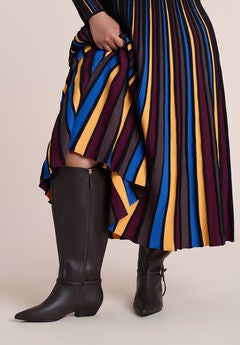
Give your fall outfits a softer finish with slouch boots that gather through the shaft. Start with a lower heel for everyday plans, or choose a platform when you want more height. Your stylist can help you pair that relaxed shape with the denim, dresses, and layers you already love.


-
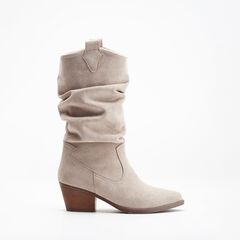 A beige suede western boot with a 1.96-inch heel, offering style and warmth for winter.
-
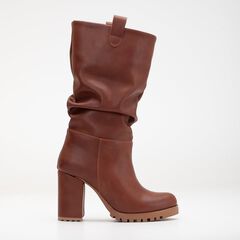 A stylish cognac brown slouch boot with a 3.9-inch heel and vegan leather construction.
-
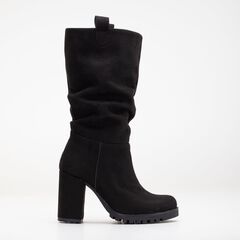 A stylish black suede slouch boot with a 3.9-inch block heel and vegan leather material.
-
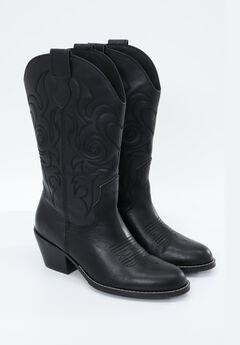
 A stylish pair of burgundy vegan leather slouch western boots with a 1.96-inch heel.
-
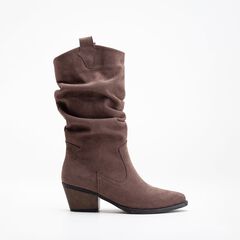 A stylish brown suede slouch boot with a 1.96-inch heel for comfort and warmth.
-
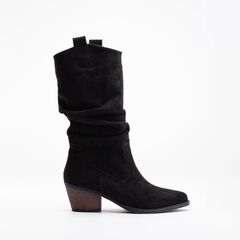 A stylish black suede slouch western boot with a 1.96-inch heel for comfort and warmth.
-
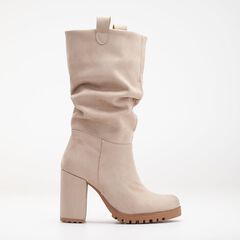 A stylish beige suede boot with a 3.9-inch block heel and 0.5-inch platform for comfort.
-
 Brown slouch platform boots in vegan leather with tall shafts and sturdy block heels.
-
 A beige suede western boot with a stable 2-inch heel and 14-inch shaft.
-
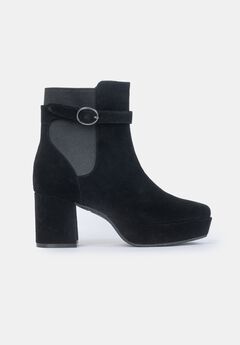
 Ankle-high black vegan suede boots with a slouchy shaft, sturdy block heel, and platform outsole.
-
 A pair of black suede-look vegan leather western boots with slouch styling and a 2-inch heel.
-
 A tall beige vegan suede boot with slouchy shaft, block heel, and platform sole.
-
 Ankle-high burgundy vegan leather western boots with a 1.96-inch heel and relaxed slouch silhouette.
-
 A brown vegan suede western boot with a 2-inch heel and relaxed 14-inch slouch shaft.
-
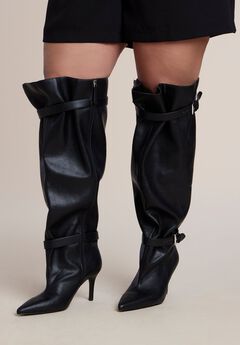
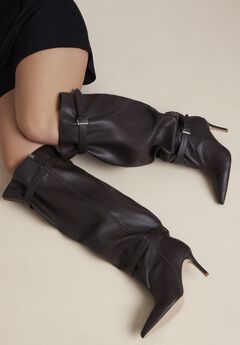 A brown faux leather over-the-knee boot with slouchy styling, buckle details, and a 4-inch stiletto heel.
Plus Size Slouch Boots
FAQ
Slouch boots have a shaft designed to gather or drape rather than stand completely straight. That relaxed shape can appear on Western-inspired boots, platforms, and over-the-knee styles. Choose your shaft height and heel separately; the slouch describes the shape, not one specific boot height.
No. A gathered shaft does not automatically mean extra calf room, and shoe width is separate from shaft circumference. Measure around the fullest part of your calf and compare it with the specific boot's measurements. For over-the-knee styles, check the upper-leg opening too. Your usual shoe size is a starting point, not the whole fit story.
Give the gathered shaft room to show by pairing your boots with leggings or close-fitting jeans. With a dress or skirt, try different hemlines to see where you prefer the fabric to meet the boot. When you try your boots at home, wear your intended socks and walk and sit to check for pressure or pulling.
The Bonnie slouch Western boots have a 1.96-inch heel, while the Anais slouch platform boots have a 3.9-inch block heel and a 0.5-inch platform. ELOQUII's Faux Leather Over-the-Knee Slouchy Boot has a 4-inch stiletto heel. Start with the height and heel shape you already enjoy wearing.
Choose slouch boots when you want gathered texture and a relaxed shaft. If you prefer a shorter boot with Western character, explore your options in Western ankle boots. For a shorter silhouette with a more polished feel, browse dressy heeled ankle boots. Let your usual hemlines and plans guide the choice.