Plus Size Smocked Floral Dresses
Find plus size smocked floral dresses with gathered detailing that adds texture to floral prints. Your stylist knows one brand’s 1X can fit like another’s 3X, helping you look beyond the tag. Try your picks at home, with free exchanges if you need a different fit.
-
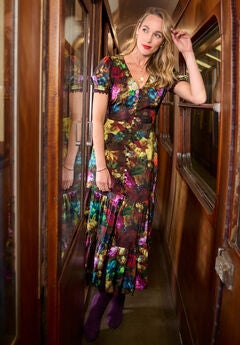 A multicolored rayon dress featuring floral print, puff sleeves, lace trim, smocked waist, and flounce hem.What customers like:Versatile and easy to wear Flattering feminine style Comfortable, soft, lightweight fabric Vibrant floral colors Flattering true-to-size fit
-
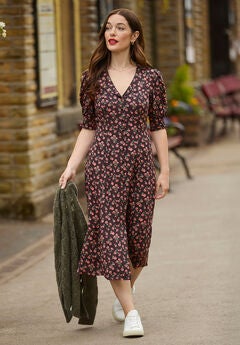 A soft rayon floral midi dress featuring puff sleeves, a Peter Pan collar, smocked cuffs, and a button-front placket.
-
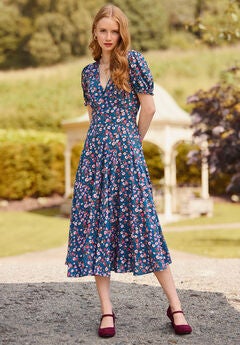 A floral rayon tea dress with flattering empire waist, puff sleeves, frills, and comfortable smocked back.
-
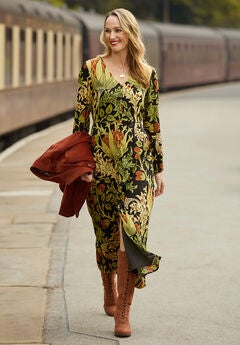 A rayon midi dress featuring seasonal florals, button-front neckline, tie sleeves, and smocked waist.
-
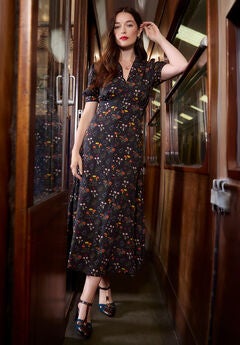 A black floral rayon midi dress with a V-neckline, empire waist, smocked waistband, and covered-button detailing.
-
 A tropical floral maxi dress with a smocked bodice and spaghetti straps for a vacation vibe.
-
 A blue and white floral maxi dress with ruffle sleeves and a smocked elastic waist.
-
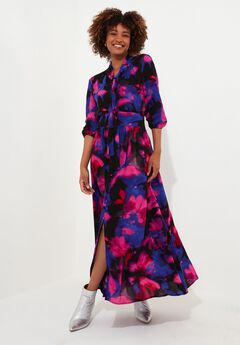 A vibrant floral maxi dress in soft rayon with a tie neck, three-quarter sleeves, and elastic back panel.
-
 A light green midi dress with white ditsy florals, smocked bodice, flutter sleeves, and side pockets.
-
 A pink rayon maxi dress featuring a floral print, crochet back, tassel waist tie, and front slit.What customers like:High quality material Versatile style Soft and cozy feel Beautiful color Comfortable fit
-
 An ivory crepe off-shoulder dress with a floral swing skirt and hidden pockets.
-
 A playful pink swing dress featuring a floral Barbie print with adjustable straps and a back zipper.
-
 A navy 100% cotton maxi dress featuring crochet trim, tiered ruffles, and a smocked back panel.What customers like:Beautiful color and appearance Versatile and easy to dress up or down High quality, breathable cotton fabric Flattering and suitable for plus sizes Comfortable fit
-
 A floral A-line dress in red and navy with tie sleeves, scoop neckline, and button front detail.What customers like:Fun and casual to wear Stylish tie sleeves Flattering shape Attractive print and appearance Light and airy fabric
-
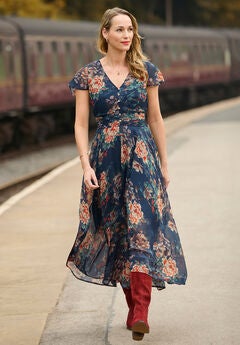 A floral georgette maxi dress featuring flutter sleeves, a flounce hem, and a flattering V-neckline.What customers like:Flattering fit Beautiful design and colors High quality fabric and construction Versatile for multiple seasons Comfortable to wear
-
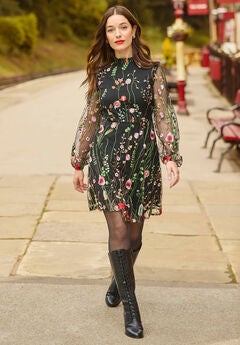 A chic mesh midi dress with 3D floral details, long blouson sleeves, and a fully lined body.What customers like:Easy to wear and versatile Beautiful color options Elegant floral design Quality, soft fabric Flattering, comfortable fit
-
 A feminine crinkle rayon maxi dress with a smocked bodice, square neck, and tiered A-line skirt.What customers like:Easy to wear and care for Beautiful and versatile colors Stylish and well-designed Flattering and comfortable fit Soft, quality fabric
-
 A green crinkle rayon midi dress featuring a smocked bodice, blouson sleeves, and a tiered skirt.What customers like:Flattering fit and design Beautiful color and pattern Comfortable and lightweight Easy to care for and durable Versatile for different occasions
-
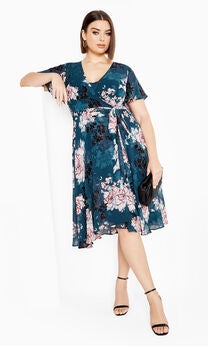 A jade floral wrap dress with a plunging V-neckline and short flutter sleeves.
-
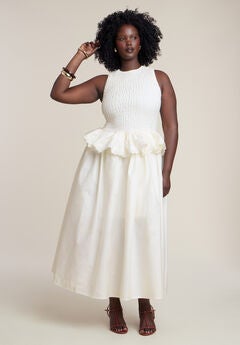 A romantic cotton midi dress featuring a smocked bodice, lace-trimmed waist, and softly flared skirt.
-
 A blue floral lace midi dress with bell sleeves and a detachable lining for versatile wear.
-
 A romantic off-the-shoulder maxi dress in 100% cotton poplin with smocked bodice and puff sleeves.
-
 A structured stretch denim mini dress featuring dimensional flower appliqués, peplum detail, and a scoop neckline.
-
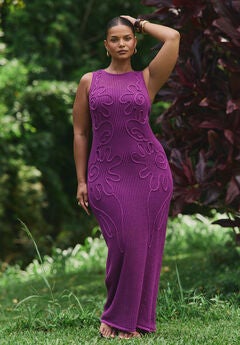 A floral knit maxi dress in 100% cotton with rope detailing, textured stitching, and a back slit.
Plus Size Smocked Floral Dresses
Frequently Asked Questions
Smocking gathers fabric into stitched rows, creating a textured detail often found on bodices, waistlines, or sleeves. Paired with a floral print, it gives your dress visual interest beyond the pattern itself.
Pair your dress with simple sneakers or flat sandals, then add your favorite crossbody bag. Your stylist can help you choose finishing touches that make the floral print feel natural for your everyday routine.
A smocked floral dress can suit a garden or daytime wedding, depending on the dress code. Add polished shoes and understated jewelry, and reserve more casual accessories for another day. For formal celebrations, let the invitation guide your choice.
Try your denim jacket for a casual outing or a tailored blazer for a more polished look. An open cardigan offers another easy option while keeping your dress's smocked detail visible. Your stylist can help coordinate the layers with your print.
Pull one color from your floral print and repeat it in your shoes, bag, or earrings. If your dress has smocking near the neckline, try earrings instead of a necklace to keep that detail in view.