Plus Size Stretch Trousers
Find plus size stretch trousers for a polished look with room to move. Your stylist helps you choose pants based on your fit preferences, not just the size on the tag. One brand’s 1X can fit differently from another’s, so you don’t have to navigate sizing alone. Try your picks at home, with free exchanges if the fit needs adjusting.
-
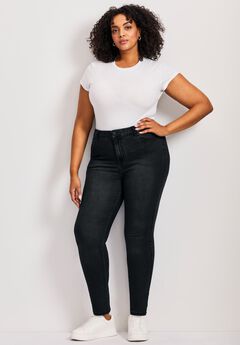
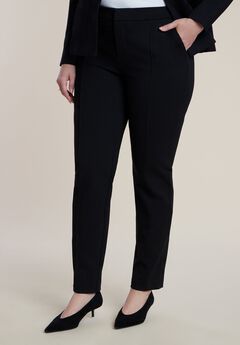 A high-rise black slim leg pant in stretch knit, offering a tailored fit and full length.What customers like:Flattering fit Versatile style Comfortable stretch High-quality fabric Durable material
-
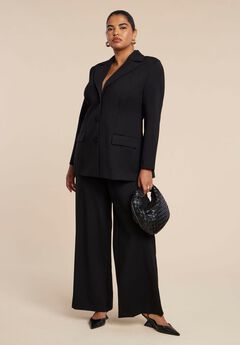
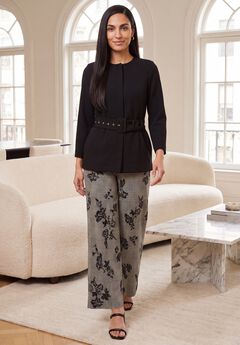 A black stretch-knit wide-leg pant with an elastic waistband, smooth drape, wrinkle resistance, and pull-on comfort.What customers like:Versatile, stylish look for many occasions Wrinkle-resistant and easy to care for Comfortable elastic waistband and convenient pull-on design Exceptional comfort and flattering fit Lightweight, breathable fabric with a smooth drape
-
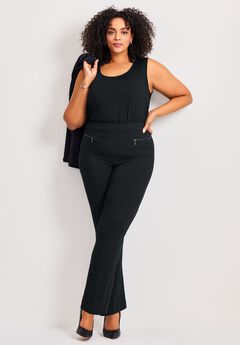 A black super stretch pant with tummy control, zip pockets, and a comfortable waistband.What customers like:Good value for money Flattering and stylish appearance Super stretchy and durable material Versatile for different occasions Comfortable fit
-
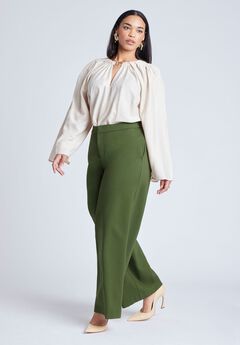 A tailored high-rise wide leg pant in green stretch knit with front fly zipper and hook closure.What customers like:High quality, durable material Stylish wide leg and professional look Rich color and smooth finish Comfortable stretch and softness Flattering fit for curves
-
 A polished black cotton twill pant with stretch, featuring a contoured waistband and classic straight-leg fit.What customers like:Great fit High quality material Deep pockets Comfortable to wear Versatile for all seasons
-
 A black high-stretch Bengaline straight-leg pant with a wide waistband, zip closure, and timeless full-length silhouette.
-
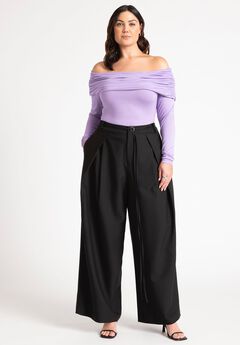 A high-rise, wide-leg black trouser in mid-stretch fabric, featuring front pleats and a removable belt.
-
 A polished olive crepe wide-leg trouser with pintuck seams, zipper closure, and slant side pockets.
-
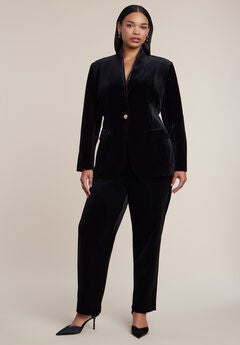 A pair of black stretch-velvet pants with a high-rise elasticized waist and slim straight-leg silhouette.
-
 A high-rise, pull-on stretch crepe pant with a relaxed fit and straight leg opening.
-
 A navy ponte knit trouser with Lift Tuck® Technology for a flattering, streamlined silhouette.
-
 A pair of high-rise white stretch bengaline pants with a skinny leg, side zipper, and back pockets.
-
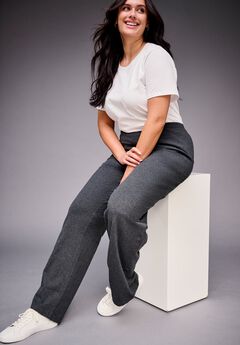
 A pair of grey wide-leg ponte trousers with a high waist, elastic waistband, and pin tuck detailing.
-
 A stylish wide-leg pant in stretch ITY jersey with an elastic waistband for ultimate comfort.
-
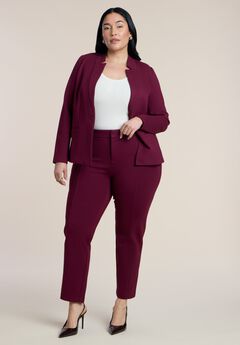
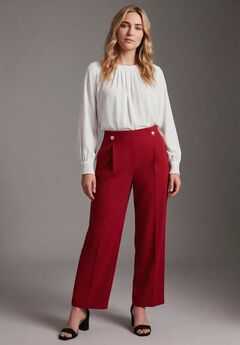 A sleek burgundy wide-leg trouser featuring tummy control mesh, decorative waist buttons, and smooth stretch fabric.
-
 A black rayon-spandex jersey palazzo pant with a wide elastic waistband and comfortable wide-leg silhouette.What customers like:Lightweight and breathable Soft and stretchy fabric Flattering and stylish appearance Versatile for different occasions Comfortable fit
-
 A navy high-rise crop pant with super stretch fabric and a flattering close cut silhouette.What customers like:High quality fabric Versatile style Flattering silhouette Comfortable fit Great stretch
-
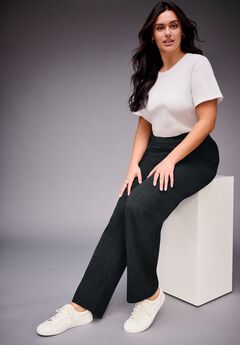 A black straight-leg pant featuring a high-rise elastic waistband and soft, stretch cotton fabrication.What customers like:High quality and well made Soft, stretchy material Perfect length for tall sizes Versatile for work and casual wear Comfortable fit
-
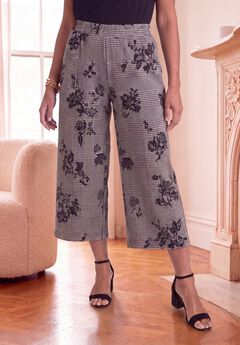 A black stretch-knit polyester-spandex pant with a full elastic waist, wide-leg silhouette, and wrinkle-resistant cropped length.What customers like:Wrinkle-resistant and travel-friendly Flattering, true-to-size fit Comfortable, stretchy fabric Quality material that washes well Versatile, stylish dressy appearance
-
 A black bootcut pant with super stretch fabric and a wide elastic waistband for comfort.What customers like:Excellent stretch fabric Perfect length and true to size Easy care and wrinkle-resistant Versatile and dressy style Super comfortable fit
-
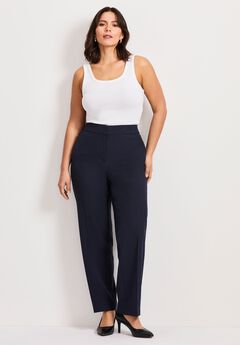 A navy straight-leg trouser with a comfort waistband, stretch fabric, and practical pockets.What customers like:High quality and durable material Versatile for office and business casual wear Flattering and streamlined fit Comfortable stretch waistband Modern and elegant style
-
 A burgundy stretch knit crepe pant featuring a straight leg, pull-on style, and convenient side pockets.What customers like:Flattering, dressy appearance Wrinkle and wash resistant Convenient pockets Comfortable fit Soft, stretchy fabric
-
 A high-rise black flare leg pant in stretch knit ponte fabric with double side elastic waistband.What customers like:Supportive fabric Great waist fit Versatile style Flattering design Comfortable fit
-
 A navy pull-on pant with a stretch Ponte knit, featuring a wide comfort waistband and straight-leg fit.What customers like:Versatile style Soft and durable material Look like slacks Supportive waistband Comfortable fit
Plus Size Stretch Trousers
Frequently Asked Questions
Pair your plus size stretch trousers with a tucked-in blouse and blazer for a polished office outfit. Your stylist can help you choose proportions that work with your dress code and personal style.
Try a button-down shirt, lightweight sweater, or simple knit top, depending on your day's plans. Your stylist can suggest a tucked, untucked, or layered approach based on your trousers' cut.
Wear your stretch trousers with a relaxed tee and sneakers for coffee dates or weekend plans. Add your favorite denim jacket to bring a casual finish without changing the whole outfit.
Let your trousers' hem and the occasion guide your choice: loafers, flats, sneakers, and heels offer different finishes. Your stylist can help you coordinate trouser lengths with the shoes you already love wearing.
Follow your trousers' care label, since washing and drying instructions vary by fabric and construction. Check the ironing instructions before applying heat, and follow any guidance about steaming or dry cleaning.