Plus Size Swimsuits Under $100
Start with a complete swimsuit under $100, then choose the details that feel like your style. Explore affordable plus size swimwear with mesh sleeves, retro ruffles, and skirted silhouettes for your getaway. Your stylist knows that one brand’s 1X can fit differently from another’s—your measurements matter more than the tag. Keep your preferred coverage and support in mind as you find your next poolside favorite.


-
 A black one-shouldered swimsuit with power mesh insets and UPF 50+ protection.
-
 A sleek leopard print swimsuit with a belted waist, adjustable halter tie, and padded cups.
-
 A teal and pink floral one-piece swimsuit with a plunging neckline and charming lace-trimmed skirt.
-
 A sleek black swimsuit with a belted waist, adjustable halter tie, and padded cups for comfort.
-
 A bright white one-piece swimsuit with mesh butterfly sleeves and a plunging V-neckline.
-
 A 1970's style romper swimsuit with multicolor florals, self-tie halter, and moderate coverage.
-
 A retro black one-piece swimsuit with mesh ruffles and a flirty skirted bottom.
-
 A sporty blue one-piece swimsuit with chlorine-resistant fabric, tummy control, and UPF 50 sun protection.What customers like:Stays in place during activity Comfortable with full coverage Flattering and supportive fit Vibrant, beautiful colors with good retention Durable and chlorine resistant fabric
-
 A stylish crochet swimdress with tummy control, featuring a V-neck and built-in one-piece suit.What customers like:Versatile and modest Flattering fit Stylish design Quality material Comfortable and supportive
-
 A blue one-piece swimsuit with tummy control, UPF 50 protection, and a flattering square neckline.What customers like:Chlorine resistance Flattering fit High quality material Sturdy built-in bra Comfortable and supportive
-
 A navy one-piece swimsuit with chlorine resistance, tummy control, and UPF 50 sun protection.What customers like:Chlorine resistant Perfect fit Good support Flattering design Easy to put on and take off
-
 A black one-piece swimsuit featuring mesh details, tummy control, and optional adjustable straps.What customers like:Versatile and modern look Flattering fit Fantastic quality Stylish design Comfortable and secure
-
 A pink one-piece swimsuit featuring underwire support, lace-up back, tummy control, and UPF 50 protection.
-
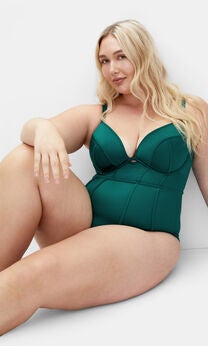 An emerald green swimsuit with molded cups, underwire support, and a stylish cut-out back.
-
 A blue and green one-piece swimsuit with adjustable straps, tummy-smoothing mesh, and UPF 50 sun protection.
-
 A chic black one-piece swimsuit with molded cups, underwire support, and adjustable straps.
-
 A royal blue one-piece swimsuit with a square neckline, scoop back, tummy control, and UPF 50 protection.
-
 A sporty black swimdress with contrast trim, power mesh lining, and a zip front for shaping support.
-
 A black ripple print swim dress featuring adjustable straps, molded cups, and a flattering sharkbite hemline.
-
 A chic black one-piece swimsuit with a crossover bust, thick adjustable straps, and full coverage bottoms.
-
 A black fit-and-flare swim dress with built-in brief, molded cups, and supportive stretch fabric.
-
 A sleek black one-piece swimsuit with side bust shirring, Power Mesh lining, and adjustable straps for support.
-
 A sculpted one-piece swimsuit with underwire support, princess seams, and adjustable straps in nylon-spandex.
-
 A green one-piece swimsuit featuring a smocked bodice, ring strap accents, and Power Mesh tummy control.
Plus Size Swimsuits Under $100
FAQ
Look for halter necklines, waist belts, ruffles, and skirted silhouettes to bring vintage character to your swimwear. Your stylist can help you choose one statement detail or combine several for a more nostalgic look.
A swimdress combines a swimsuit with an attached skirt, while a classic one-piece typically has no skirt. Choose a swimdress if you enjoy a dress-inspired silhouette, or keep your look streamlined with a traditional one-piece.
Start with the colors and patterns you already love wearing, then bring that preference into your swimwear. Your stylist can help you explore playful florals, expressive animal prints, or solid shades that coordinate with your favorite cover-ups.
Pair your swimsuit with pull-on shorts or a breezy skirt for a poolside outfit that feels intentional. Your stylist can help coordinate an open linen shirt, sandals, and a woven tote around your suit's colors.
Check your swimsuit's care label first, then rinse it in cool, fresh water after wearing. When hand-washing is recommended, use mild detergent, avoid wringing, and let your suit air-dry away from direct sunlight.