Plus Size Tuxedo-Front Shirts

Start with a plus size tuxedo-front shirt when you want evening polish without a full suit. Your stylist can help you balance formal details with the softer fabrics you enjoy wearing. A chiffon blouse brings a different feel to tuxedo-inspired dressing, giving you room to make the look your own.
SORT BY

Sort By

Sort By

FILTER BY

Plus Size Tuxedo-Front Shirts

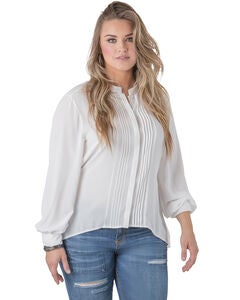
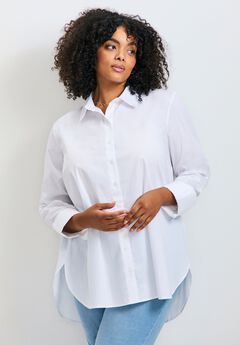
Plus size tuxedo-front shirts are dress shirts distinguished by a pleated or bib-style panel across the chest. That detailed front borrows from traditional formalwear, giving a button-up shirt a more dressed-up finish. The effect can feel crisp and tailored with trousers or relaxed with your favorite jeans. Your stylist can help connect those details to the way you actually like to dress. Narrow vertical pleats create texture without a busy print, while a smooth bib panel looks more understated. Some designs have a sharply defined inset; others let the pleating blend into the shirt front. A point or spread collar works easily beneath a jacket and feels familiar worn open. A wingtip collar has short, folded points and a more traditional formalwear appearance, especially with neckwear. Your collar choice matters most when an invitation specifies a particular level of dress. Not every tuxedo-inspired shirt is intended to replace a traditional tuxedo shirt at a black-tie event. The cuff and front closure deserve the same attention as the collar. Button cuffs offer straightforward everyday wear, while French cuffs fold back and fasten with cufflinks. Convertible cuffs may accommodate either buttons or cufflinks, depending on their construction. Likewise, decorative studs require a compatible shirt front rather than an ordinary covered button placket. These small distinctions help your shirt feel appropriate without making getting dressed unnecessarily complicated. Fabric changes the character, too: cotton poplin typically feels smooth and crisp, with a clean surface. Oxford cloth has a more noticeable weave, while piqué brings a textured, formal-looking finish. Cotton blends can offer easier wrinkle management, though the feel depends on the fiber mix. A touch of stretch may add ease when reaching, sitting, or moving your arms. Your stylist can weigh those differences against your preference for structure, softness, and everyday maintenance. The right balance gives your tuxedo-front shirt a place in your wardrobe beyond one special occasion.

Your best fit starts with your measurements and preferences, not a familiar number on a tag. One brand’s 1X might be another brand’s 3X, and the cut can change the fit again. Your stylist already knows that inconsistency and can use your style profile to narrow the guesswork. Within a size range beginning at 14, bust, shoulder, arm, and hip measurements still vary considerably. A tuxedo-front shirt needs enough room for its decorative panel to lie comfortably across your chest. Pulling between buttons or pleats that spread apart can signal that the front needs more ease. Moving up a size is not always the whole answer if your shoulders then feel oversized. A different cut, dart placement, or fabric may better suit your proportions and preferred silhouette. Your shoulder seams should sit comfortably, and your sleeves should allow a natural bend at the elbow. At your desk or dinner table, your cuffs should not pull tightly when your arms reach forward. An untucked hem needs enough room at your hips to fall without catching or bunching. If you prefer tucking, extra length helps your shirt stay put when you sit down. Side slits can make an untucked shape easier to wear, depending on their placement and depth. Your usual bra also affects how the front sits, especially beneath a close-fitting pleated panel. Take your style quiz with those everyday preferences in mind, including how you wear your shirts. Your human stylist can consider your measurements alongside details such as sleeve length and preferred coverage. With your styling box, trying on at home lets you assess more than a quick mirror impression. Sit in your usual chair, reach for a shelf, and try your shirt under your jacket. Notice whether the collar feels comfortable buttoned and whether the front stays smooth as you move. Free exchanges remove the pressure to settle when your first fit needs a different size. Your feedback gives your stylist a clearer picture of what feels right for your next box.

Your tuxedo-front shirt can anchor a wedding guest outfit, a recital look, or a polished dinner ensemble. With wide-leg trousers, its detailed front adds interest without competing with the shape of your pants. A slim belt can define the tuck, while a simple shoe keeps the overall effect grounded. Beneath a blazer, the visible pleats or bib panel supply texture where jewelry might otherwise sit. An open neckline and dark denim create a less formal combination for a restaurant or gallery visit. Your stylist can help decide whether a full tuck, partial tuck, or untucked hem suits your outfit. The goal is a shirt that feels connected to your wardrobe, rather than borrowed from someone else’s. If you prefer a simpler front for certain occasions, explore Plus Size Formal Shirts for related dress-shirt styles. A tuxedo-front design offers a distinctive alternative when an ordinary button-up feels a little too plain. It can also make a thoughtful gift for someone who enjoys tailored dressing and expressive details. Knowing the recipient’s measurements and preferred sleeve length matters more than guessing from another shirt’s label. For your own wardrobe, construction and care influence how often you will reach for the style. Even stitching, securely attached buttons, and neatly finished seams are useful signs of careful construction. The pleated panel should look orderly, with its stitching intact and its edges lying smoothly. Follow the garment’s care label, since cotton, blends, decorative trims, and special finishes need different treatment. Some shirts tolerate machine washing, while others require professional cleaning or a gentler approach. Remove cufflinks or studs before cleaning, and avoid ironing directly over decorative buttons or delicate trim. When pressing is permitted, follow the existing pleat lines rather than creating new creases across them. A hanger with supportive shoulders helps preserve the shape between wears without crowding the collar. Your stylist’s attention to fit, fabric, and upkeep helps make that distinctive front easy to wear. Keep the details you enjoy, and let your shirt bring a little ceremony to getting dressed.

FAQ