

Plus Size Two-Tone Ballet Flats
Refresh your familiar outfits with two-tone ballet flats, from crisp cap toes to subtle contrast accents. Take a cue from your stylist: repeat one shoe color in your outfit for an easy, pulled-together finish. Start with your favorite jeans, tailored trousers, or a simple dress, and let the contrasting details bring something new.
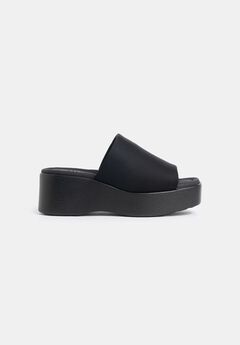
-
 A supple leather ballet flat with cap-toe styling, classic bow, subtle 0.6-inch heel, and white-black colorway.
-
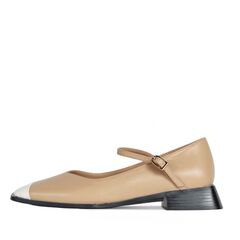 A versatile vegan leather flat in midnight or nude, featuring a cushioned insole and buckle detail.
-
 A beige leather ballet flat with a round toe, contrast accents, bow, and low heel.
-
 A grey leather ballet flat featuring a round toe, contrast accents, and a delicate bow.
-
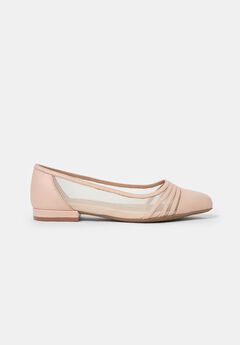 A pink leather and nude mesh flat featuring a starburst design, cushioned insole, and non-slip sole.
-
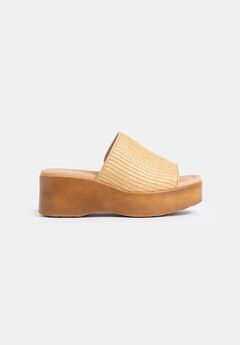 A stylish wedge slide with a soft Lycra or Raffia upper and breathable, moisture-absorbing lining.
-
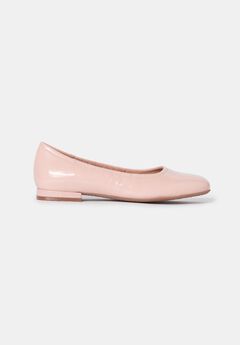 A pink genuine leather ballet flat featuring a soft square toe, cushioned footbed, and flexible outsole.
-
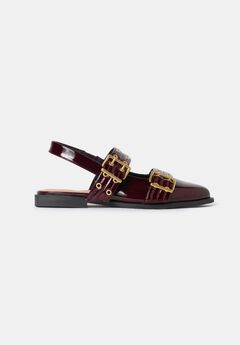 A burgundy genuine leather slingback Mary Jane featuring a pointed toe, adjustable strap, and cushioned arch support.
-
 A timeless leather ballet flat with a comfortable 0.6-inch heel for versatile everyday elegance.
-
 A brown leather ballet flat with luminous stone embellishments and a low heel for versatile day-to-evening wear.
-
 A leather ballet flat with a woven-texture upper, feminine Mary Jane strap, and low 0.8-inch heel.
-
 A beige leather ballet flat with a delicate bow accent and low heel for everyday styling.
-
 A beige leather Mary Jane ballet flat with a low 0.4-inch heel for timeless everyday elegance.
-
 A brown leather ballet flat with open sides, an ankle strap, and a comfortable low heel.
-
 A white leather Mary Jane flat with a rounded toe, secure strap, and subtle low heel.
-
 A soft leather ballet flat with cushioned comfort, a 0.6-inch heel, and graceful bow accent.
-
 A brown leather ballet flat with a low heel, timeless feminine style, and comfortable all-day wear.
-
 A white leather ballet flat with woven texture and a subtle bow accent for polished everyday wear.
-
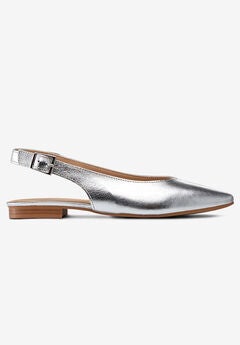
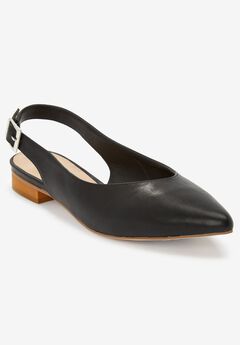
 A leather slingback flat with a pointed toe, arch padding, adjustable strap, and flexible anti-slip sole.
-
 A brown metallic ballet flat with refined jeweled detailing and a low 0.4-inch heel.
-
 A glamorous black embellished ballet flat with classic Mary Jane styling and a low 0.4-inch heel.
-
 A black ballet flat with a round toe, delicate bow, and cushioned insole for everyday comfort.
-
 A leather flat loafer in brown or burgundy, featuring a structured square-toe silhouette and adjustable strap.
-
 A white leather ballet flat featuring a bow cap-toe design and playful shimmer detailing.
Plus Size Two-Tone Ballet Flats
FAQ
A two-tone ballet flat combines two distinct colors, often through a contrasting toe, trim, or other accents. A cap toe describes the toe detail, but it isn't always two-tone. Check your selected color's photos to see exactly where the contrast appears.
Repeat one color from your flats in your trousers, top, or bag to connect your outfit. Try black-and-white cap toes with dark jeans and a white shirt, or contrast-accent flats with a solid dress. Keep your hem clear of the toe so the detail shows.
Start with the feature you want to prioritize. Explore leather ballet flats when material matters most, Mary Jane flats when you prefer an across-the-foot strap, or cushioned ballet flats when you're looking for documented padding. These features can overlap, so check each pair's details.
Your clothing size doesn't determine your shoe size or width. Check the listed sizes, width options, and fit guidance for each pair rather than assuming every style is wide-width. Brand sizing can differ, so use the individual style's guidance when choosing.
Two-tone describes the color combination, not the cushioning. Look for an explicitly listed cushioned insole or padded footbed if that's important to you. A low heel or soft leather upper doesn't, by itself, confirm cushioning or arch support.