Plus Size Whimsical Dresses
Explore plus size whimsical dresses for a playful approach to everyday dressing or your next special occasion. Your stylist helps you find looks that feel like you, knowing one brand’s 1X may fit like another’s 3X. Try your picks at home, with free exchanges if the fit isn’t quite right.
-
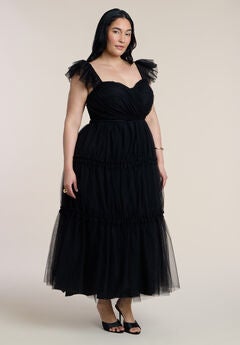 A black nylon tulle midi dress featuring a close fit bodice and loose, tiered skirt.
-
 A romantic A-line dress with floral embroidery, velvet trim, and playful flounces on sleeves and hem.
-
 A playful 1950s-inspired pink dress with multicolored cats, featuring short sleeves and a belted waist.
-
 A whimsical black midi dress with rainbow tiered sheer tulle, adjustable straps, and flattering corset boning.
-
 A flirty black wrap dress with cascading flounces and a waist-defining silhouette in polyester-spandex.
-
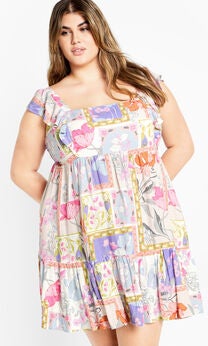
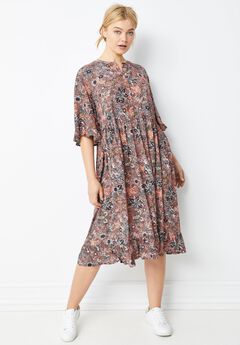 A multi-colored airy rayon crepe dress featuring delicate ruffles, a full flowy skirt, and elbow-length sleeves.What customers like:Lightweight and breathable fabric Versatile and easy to wear Comfortable and roomy fit Beautiful colors and prints Flattering and feminine style
-
 A vibrant multi-colored rayon maxi dress featuring a lace-trim V-neckline, ruffle sleeves, and tassel ties.What customers like:Versatile and easy to wear Beautiful and vibrant colors Soft and cozy material Stylish and unique design details Flattering and comfortable fit
-
 A navy dot mesh maxi dress featuring cold shoulder sleeves, gathered skirt, and elasticated waist.
-
 A vibrant red midi wrap dress with cascading ruffles, 3/4 sleeves, and a flattering self-tie waist.
-
 A whimsical V-neck maxi dress with bell sleeves and a tiered Boho silhouette in 100% viscose.
-
 A chic polyester dress with a V-neckline, flutter sleeves, and a flattering shirred waist.
-
 A soft brushed jersey maxi dress with a v-neckline, flutter sleeves, and playful ruffle flounce.
-
 A lipstick red satin midi dress with flutter sleeves, wrap neckline, and a two-tier layer bottom.
-
 A flouncy halter neck mini dress with a pleated flowy bottom, available in white or black.
-
 A playful swing dress in black and white with polka dots, featuring a square neckline and side pockets.
-
 A charming pink swing dress with rosebuds, white eyelet panel, and faux bow detail.
-
 A romantic mesh cocktail dress with 3D floral embroidery, surplice neckline, and flutter sleeves.
-
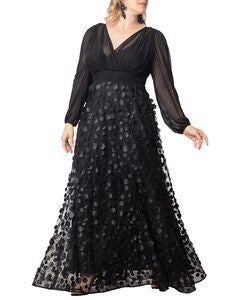 An elegant onyx mesh evening gown with 3D floral embroidery and whimsical lantern sleeves.
-
 A vibrant rainbow plaid woven dress with white ric rac trim, faux bows, and a flattering belted waist.
-
 A playful black and white color block mini dress with a heart design, mock turtleneck, and stretch fabric.
-
 A black cotton maxi dress with playful floral print, shirred tiers, and adjustable self-tie spaghetti straps.
-
 A black textured viscose dress with bell sleeves and a V-neckline for effortless chic style.
-
 A heavy-weight crepe jersey dress with pleated chiffon sleeves, offering elegance and a flattering fit.
-
 An elegant navy cotton maxi dress with a V-neckline and whimsical blouson sleeves.
Plus Size Whimsical Dresses
Frequently Asked Questions
Whimsical dresses get their personality from imaginative prints, playful details, or an unexpected mix of colors. Think storybook-inspired florals, expressive sleeves, or a skirt with movement. Your stylist can help you find the details that feel like your style, whether you prefer subtle charm or something more expressive.
Pair your whimsical dress with familiar favorites, like simple sneakers and your everyday denim jacket. Keeping the rest of your outfit understated lets the dress bring the personality. Your stylist can help you balance playful details with pieces you already enjoy wearing.
A whimsical dress can be a lovely choice for a garden wedding, birthday dinner, or afternoon celebration. Let the invitation guide how dressed-up you go, then choose accessories that match the occasion. Share your plans with your stylist so your outfit feels personal and appropriate.
Choose one detail in your dress to guide your accessories, such as a color or recurring motif. Simple earrings and a neutral bag can keep a lively print feeling intentional. If you enjoy a more expressive outfit, your stylist can suggest a contrasting accessory without making every piece compete.
Start by deciding which detail you want to keep visible, whether that's your neckline, sleeves, or skirt. An open cardigan or cropped jacket can add a layer while leaving much of your dress on display. Your stylist can help you choose layers that complement its shape and mood.