Plus Size White Clothing & Outfits
Start with the white piece you'll wear most, then build your outfit around your plans. Explore white dresses and separates, whether you're refreshing your everyday wardrobe or trying an all-white look. Your stylist can help you choose proportions and textures that work together, with your personal style and actual fit in mind.



-
 A white cotton long denim jacket featuring on-seam front pockets and button cuff sleeves.What customers like:Flattering and true to size fit Stylish and versatile design Good length and comfortable Well made Deep and functional pockets
-
 A white cotton denim jacket featuring a relaxed fit, classic seaming, shirt collar, and practical pockets.What customers like:Versatile style High quality construction Stylish appearance Year-round wearability Comfortable fit
-
 A white, easy-fit blouse in non-stretch crepe fabric with a button front and extended shoulders.What customers like:Lightweight fabric Office-appropriate Flattering fit Versatile style Color variety
-
 A white stretch cotton tank featuring a flattering horseshoe neckline and a soft, breathable feel.What customers like:Washes well and retains color Versatile and classic style Thick, durable, and non-transparent fabric Flattering and comfortable fit Soft, breathable, and stretchy material
-
 A white stretch cotton cami with adjustable straps and a classic straight fit for versatile layering.What customers like:Great for layering Soft and quality fabric Good length and coverage Comfortable fit Adjustable straps
-
 A crisp white cotton-spandex poplin shirt featuring wrinkle-free stretch fabric, princess seams, and hidden bust snaps.What customers like:Flattering and tailored fit Crisp wrinkle-free fabric Versatile and classic style Comfortable stretch material Great color and pattern options
-
 A versatile white cotton-acrylic shell with a flattering straight silhouette and bra-concealing crew neckline.What customers like:High quality fabric Great for layering Versatile style Flattering silhouette Comfortable fit
-
 A lightweight white cotton cambric blouse featuring ruffled short sleeves and a braided tassel neckline.What customers like:Lightweight and breathable fabric Durable and washes well Perfect for summer and hot weather Flattering and comfortable fit Cute and stylish design
-
 A relaxed-fit white linen-blend pant featuring an elastic drawstring waist and multiple functional pockets.What customers like:Multiple color options Lightweight and breathable Easy care and wrinkle resistant Versatile style Comfortable fit
-
 A white cotton-blend straight leg pant featuring a pull-on elastic waistband and utility side pockets.What customers like:Deep and practical pockets Attractive color options Soft and durable fabric Easy care and maintenance Comfortable fit
-
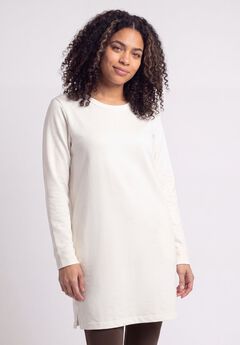 A lightweight white tunic dress in soft French terry with long sleeves and convenient side seam pockets.What customers like:Well-made, durable, and easy to care for Convenient side seam pockets Comfortable, soft, and cozy fabric Flattering fit with a comfortable tunic length Versatile for layering, lounging, and casual wear
-
 A white scoop-neck maxi dress in stretch cotton with an A-line silhouette and side godet details.What customers like:High quality and durable construction Flattering fit and silhouette Versatile for various occasions Vibrant color and attractive design Comfortable and breathable fabric
-
 A long white sleeveless tank with a scoop neckline, made from soft rayon-cotton-spandex jersey.What customers like:Perfect long length Provides good coverage Versatile for layering Comfortable fit Soft, breathable fabric
-
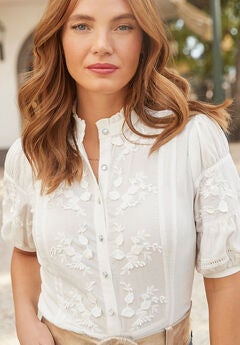 A white cotton blouse featuring broderie anglaise embroidery, ruffled neckline, puffed sleeves, and button front.What customers like:Beautiful design Feels comfortable Good sizing choice Gorgeous color Nice-looking appearance
-
 A white stretch cotton tank with feminine shirring, empire waist, and wide bra-friendly straps.What customers like:Comfortable fit and fabric Versatile and easy to wear High quality material and construction Flattering and cute design Great for hot weather
-
 A pair of white linen-blend straight-leg pants with a full elastic waistband and side pockets.What customers like:Versatile and stylish Lightweight and cool fabric Good color and appearance Useful side pockets Comfortable fit
-
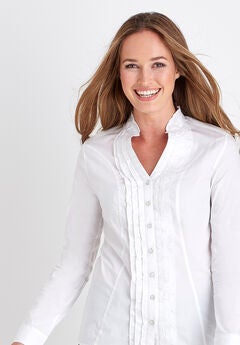 A white cotton-spandex shirt featuring ruffle trim, pearlized buttons, a V-neck, and a shirttail hem.
-
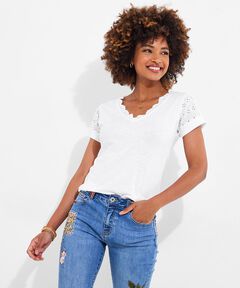 A white cotton tee with eyelet trim, featuring a flattering V-neck and short sleeves for comfort.What customers like:Versatile and stylish design Well made and good quality Beautiful and vibrant colors Soft and high-quality fabric Flattering and comfortable fit
-
 A white V-neck tank in a flattering trapeze silhouette, crafted from soft cotton-spandex jersey.What customers like:Soft and stretchy cotton material Versatile and stylish design Good coverage with modest neckline and armholes High-quality, substantial fabric Flattering and comfortable fit
-
 A versatile white cami with a built-in shelf bra, adjustable straps, and breathable cotton knit.What customers like:Soft and well-made Breathable cotton material Versatile design Supportive shelf bra Comfortable fit
-
 A lightweight white cotton-spandex jersey top featuring a scoop neckline and comfortable 3/4 sleeves.What customers like:Versatile and stylish design True to size Soft and substantial fabric Easy to wash and maintain Comfortable fit
-
 An oversized white crop top with exaggerated puff sleeves and a bubble hem in woven poplin.
-
 A white wide-leg pant crafted from soft knit cotton-polyester with an elastic waistband and side pockets.
-
 A white cotton maxi shirt dress featuring a convertible collar, side slits, and functional front buttons.
Plus Size White Clothing & Outfits
FAQ
Start with the piece your wardrobe needs most. Choose plus size white shirts for an easy work-to-weekend foundation, white sweaters when you want a warmer layer, or plus size white jeans to build a casual outfit around. Prefer fewer pieces to coordinate? Start with a white dress instead.
Combine different textures so each piece has a little definition. Try a white knit with white denim, then add boots and your usual winter coat. Bright white and softer off-white shades can work together intentionally; compare their undertones in daylight. Your stylist can help balance sleeve volume, hem length, and leg shape without making every piece match exactly.
Check the product description for lining, fabric, and details such as eyelet or sheer panels. White fabric isn't automatically opaque, even when it feels substantial. When trying pieces on, check them in daylight while sitting and moving. Underwear close to your skin tone usually creates less contrast beneath white fabric; add a camisole or slip if you prefer more coverage.
A 1X in one brand may fit differently from a 1X in another. Share your measurements, preferred fit, and where clothes tend to pull or gap with your stylist. Your stylist uses that context rather than relying on the tag alone. With your styling box, try pieces at home and use free exchanges when the fit needs adjusting.
Follow each garment's care label, since denim, cotton, knits, and embellished fabrics may need different treatment. Separate whites from colors that could transfer dye, and treat marks promptly with a fabric-appropriate method. Don't assume bleach is safe for every white garment. Check that a stain is gone before machine drying, because heat can make it harder to remove.