

Women's Plus Size Cover-Ups
Find women’s plus size cover-ups for beach days and poolside plans, with your preferred coverage and fit in mind. Your stylist helps you navigate the selection—and knows that one brand’s 1X may fit differently than another’s. Try your picks at home to see how they fit and feel, with free exchanges if you need a different size.
-
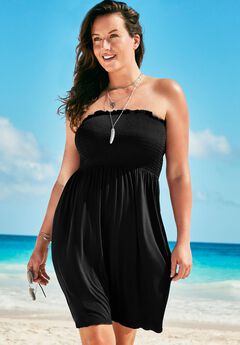 A black cover-up dress with a smocked bodice and soft stretch jersey knit for ultimate comfort.What customers like:Flattering fit Soft material Versatile style Quick-drying fabric Ultimate comfort
-
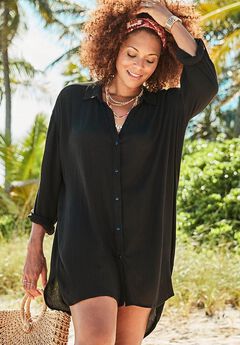 A chic black semi-sheer cover-up with a high-low hem and versatile button front design.
-
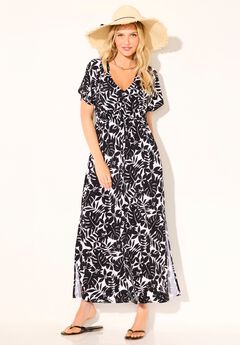 A black wrinkle-resistant maxi cover up dress with a V-neckline, smocking detail, and side seam pockets.
-
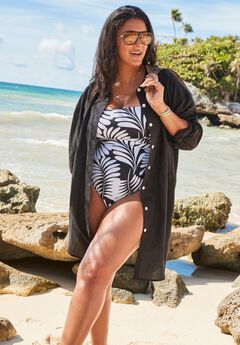 An oversized black beach shirt cover-up with drop shoulders, crafted from a rayon-cotton-linen blend.
-
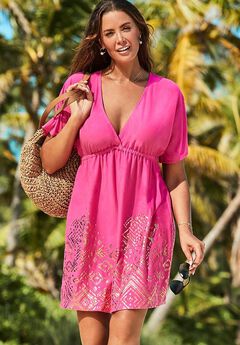 A pink jersey knit cover-up dress with a deep V-neck and empire waistband for beach days.What customers like:Flattering cut Versatile design True to size Stylish appearance Comfortable fit
-
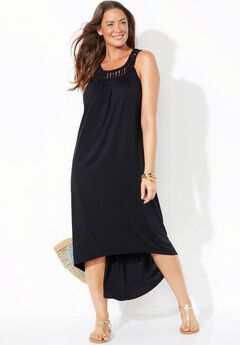 A super soft black jersey knit dress with a scoop neckline and flattering high-low hem.What customers like:High quality fabric Flattering fit Versatile design Comfortable material True to size
-
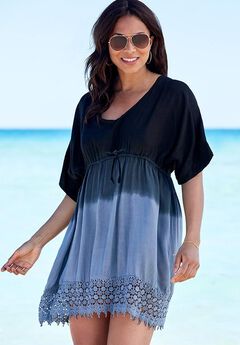 An ombre cover-up dress with crochet details, Dolman sleeves, and a functional drawstring waist.What customers like:Flattering fit Versatile design Comfortable material Beautiful color Roomy and cool
-
 A black, lightweight jersey knit cover-up dress with lace-up V-neck and flowy A-line silhouette.What customers like:Soft material Perfect for travel Versatile style Flattering design Comfortable fit
-
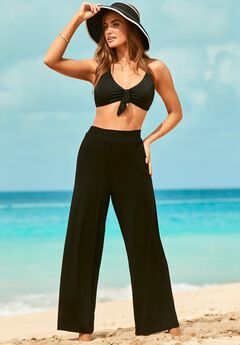 A versatile black cover-up pant with a soft stretch jersey knit and smocked elastic waist.What customers like:Flattering and stylish design Lightweight and breathable Comfortable fit and waistband Versatile for various occasions Perfect for hot weather and beachwear
-
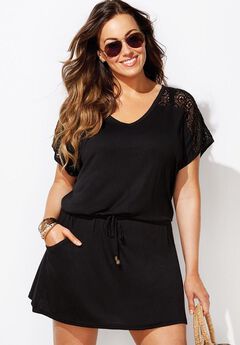 A black crochet cover-up tunic with dolman sleeves and adjustable drawstring for a customizable fit.What customers like:Lightweight and breathable Flattering fit Stylish details Soft and comfortable Versatile design
-
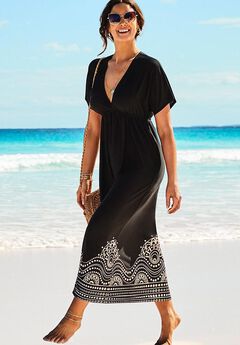 A black maxi dress with a plunging V-neckline, dolman sleeves, and metallic rose gold accents.What customers like:Beautiful design Versatile style Lightweight material True to size Comfortable fit
-
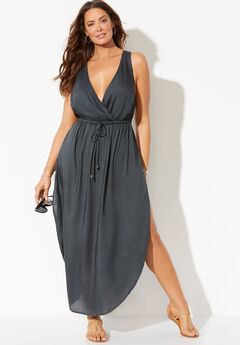 A versatile rayon maxi dress with a surplice V-neckline, drawstring waist, and side slits.What customers like:Lightweight fabric Versatile style Flattering design Great color options Comfortable fit
-
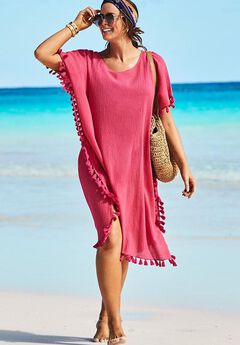 A pink crinkle cotton tunic with pom-pom trim, perfect for stylish beach strolls.What customers like:Lightweight and breathable fabric Great coverage and modesty Comfortable and roomy fit Beautiful color and style Versatile for beach or casual wear
-
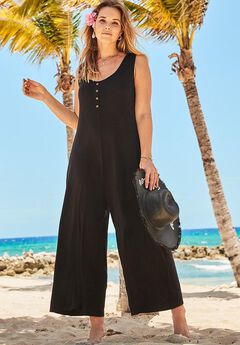 A breezy black jumpsuit with a scoopneck and button front, perfect for sunny-day adventures.What customers like:Versatile style Easy to wear Cute appearance Soft fabric Comfortable fit
-
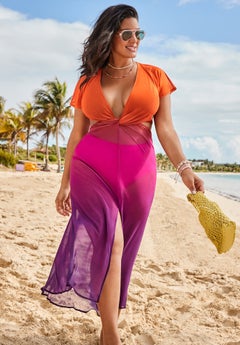
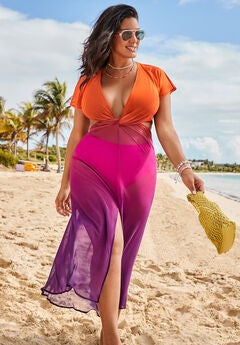 A vibrant orange and pink mesh cover-up dress featuring a twist front, cut-outs, and high-low hem.
-
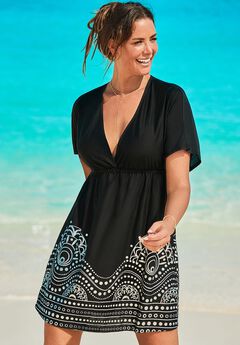
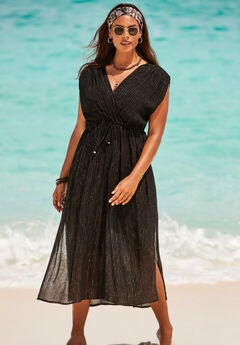 A chic black and gold maxi cover-up dress with a surplice neckline and elastic drawstring waist.
-
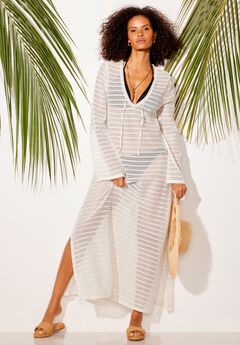 A lightweight white crochet cover-up with a V-neck, tie closure, and long flared sleeves.
-
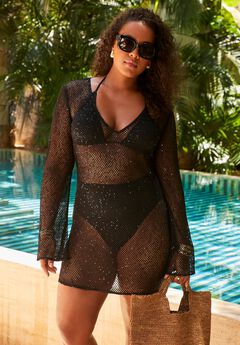 A black crocheted cover-up dress with sequin accents, featuring a plunging V-neck and flared sleeves.
-
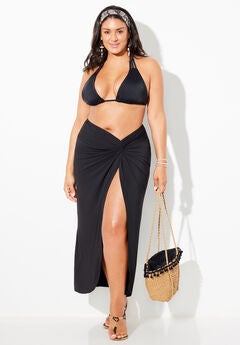 A black, wrinkle-resistant sarong skirt cover-up featuring stretch knit fabric and a twist-front elastic waistband.
-
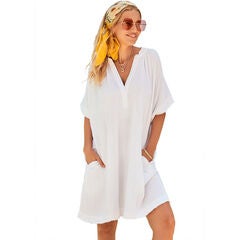 A breezy white cotton gauze cover up with a V-neck, dolman sleeves, pockets, and raw-edge trim.
-
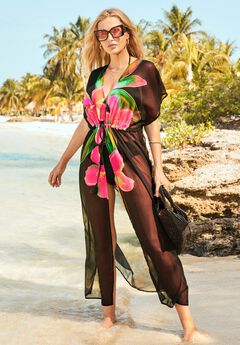 An airy pink chiffon maxi cover up with a deep V-neck, dolman sleeves, and adjustable tie waist.
-
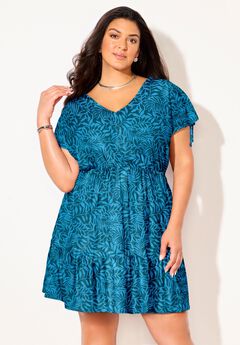 A wrinkle-resistant V-neck dress in easy-care polyester blend, featuring adjustable ties, pockets, and a ruffled hem.
-
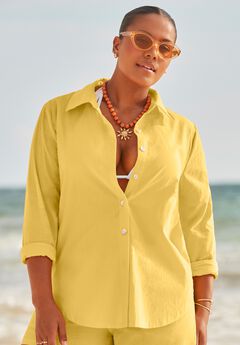 A lightweight woven cotton beach shirt with faux mother-of-pearl buttons and a polished shirttail hem.
-
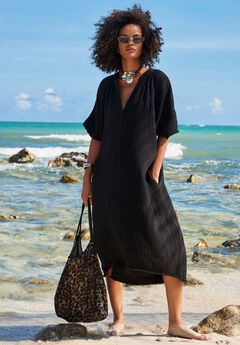 A black double gauze cotton cover-up featuring a V-neck, dolman sleeves, pockets, and high-low hem.
Women's Plus Size Cover-Ups
Frequently Asked Questions
Shirt-style cover-ups, tunics, wraps, and dress silhouettes offer different ways to complete your swim look. Your stylist can help you explore women's plus size cover-ups that reflect your personal style, from relaxed to polished.
Treat your cover-up as part of your outfit rather than just a layer over swimwear. For a casual lunch after the beach, pair a dress-style cover-up with sandals and your favorite tote.
Start with one color in your swimsuit and repeat it in your cover-up for a coordinated look. If you prefer contrast, ask your stylist about pairing a printed swimsuit with a solid layer, or switching that combination around.
Tell your stylist how you plan to spend your days, whether you're poolside or exploring a beach town. Your itinerary and personal preferences can guide the choice between an easy wrap, a tunic, or a dress-style cover-up.
Choose accessories that carry your personal style into your beach or pool outfit, such as a hat, sunglasses, or sandals. Your stylist can help you coordinate those finishing touches without making everything match.