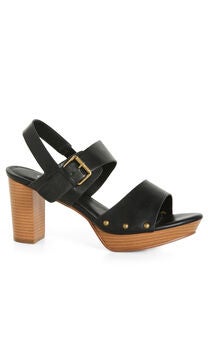
Women's Plus Size Loafers With Arch Support
Explore women’s plus size loafers with arch support for your workdays and everyday plans. Compare each pair’s fit and support details rather than relying on your usual shoe size alone. Your stylist can help you navigate sizing differences between brands, so you’re not left guessing about fit.
-
 A timeless flat loafer in premium leather with a classic metal bit and cushioned Ortholite® midsole.
-
 A polished genuine leather loafer with cushioned insoles, breathable lining, and a non-slip low heel.
-
 A soft black vegan leather loafer with a chunky rubber sole, cushioned insole, and moisture-absorbing lining.
-
 A polished genuine leather loafer with cushioned insoles, breathable lining, and a non-slip rubber outsole.
-
 A vintage-inspired leather loafer with a 1" platform, block heel, and exceptional cushioning.
-
 A navy leather loafer with tassel detailing, a supportive 1.6-inch heel, and refined everyday style.
-
 A polished genuine leather loafer with cushioned insoles, breathable lining, and a non-slip rubber outsole.
-
 A black genuine leather mule with non-slip lug sole and exceptional cushioning for all-day comfort.
-
 A black genuine-leather pointed-toe slingback flat with breathable lining, adjustable strap, arch support, and flexible non-slip sole.
-
 A versatile vegan leather flat in midnight or nude, featuring a cushioned insole and buckle detail.
-
 A silver genuine leather slide with arch-supporting footbed and adjustable straps for tailored comfort.
-
 A burgundy genuine leather slingback Mary Jane featuring a pointed toe, adjustable strap, and cushioned arch support.
-
 A beige leather lace-up loafer with timeless elegance, modern detailing, and a versatile low heel.
-
 A beige leather loafer with modern detailing and a 1-inch heel, complementing casual and polished looks.
-
 A blue leather loafer with a 1.6-inch heel and 2.3-inch shaft, offering refined comfort.
-
 A navy leather loafer with tassel and elastic detailing, a 1.2-inch heel, and everyday elegance.
-
 A burgundy leather loafer with minimalist lines, playful embellishments, and a low 0.4-inch heel.
-
 A navy leather tassel loafer with a refined 1.2-inch heel, blending timeless elegance with versatile style.
-
 A beige leather loafer featuring elegant tassel detailing and a low heel for versatile everyday styling.
-
 A burgundy leather loafer with perforated detailing, a polished strap, and a comfortable 1.2-inch heel.
-
 A sophisticated brown leather loafer with a buckled accent, artisanal finish, and comfortable 1.2-inch heel.
-
 A black leather loafer with a square toe, elasticated back, and comfortable 0.39-inch heel.
-
 A refined leather loafer with a subtle 0.5-inch heel, pairing effortlessly with dresses, skirts, or jeans.
-
 A black leather square-toe loafer with an adjustable strap and comfortable 0.6-inch outsole.
Women's Plus Size Loafers With Arch Support
Frequently Asked Questions
Pair your loafers with tailored trousers and a tucked blouse for a polished workday outfit. Your stylist can help you choose a coordinating layer that suits your office's dress code.
Try straight-leg jeans with your loafers for a casual outfit that still feels pulled together. Add your favorite striped top and a relaxed jacket for an easy weekend look.
Pair your loafers with a midi skirt and a tucked tee for a relaxed daytime outfit. For a shirt dress, ask your stylist about a coordinating cardigan to complete your look.
Choose visible ankle socks in a color pulled from your top to bring your outfit together. Keep your other accessories simple if you want patterned socks to be the focal point.
If your loafers are neutral, try a printed blouse with trousers in one of its colors. For colorful loafers, your stylist can help you choose clothing that echoes or complements their shade.