Interview Attire For Plus Size Women
Explore polished interview attire for plus size women with your next workplace’s dress code in mind. One brand’s 1X might be another’s 3X; your stylist helps you navigate those sizing differences. Try your interview outfits at home, with free exchanges if you need a different fit.
-
 A black scuba dress with flare sleeves and a close fit bodice, made from stretch fabric.What customers like:High-quality material Flattering fit Compliment magnet Versatile style Elegant design
-
 A sleek black neoprene pencil skirt with a high rise and back slit for easy movement.What customers like:Quality fabric Flattering fit Comfortable wear Versatile style Easy to style
-
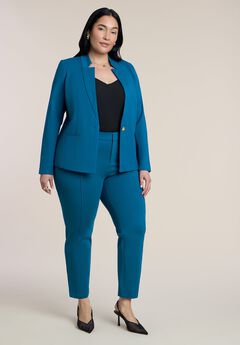 A tailored high-rise blue pant crafted from a compact stretch knit with a front fly zipper.What customers like:High-quality, stretchy fabric Professional and elegant look Flattering and comfortable fit Versatile for different occasions Durable and easy to care for
-
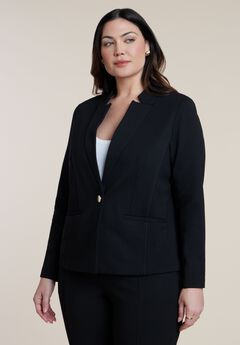 A tailored black blazer in stretch knit with a single button closure and notch lapel.What customers like:Flattering fit High quality material Versatile style Comfortable stretch Professional look
-
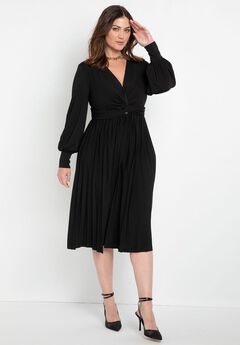 A black knot front dress with a pleated skirt and elasticized waist in stretch knit jersey.What customers like:Flattering fit Versatile style Comfortable fabric Elegant design Beautiful color
-
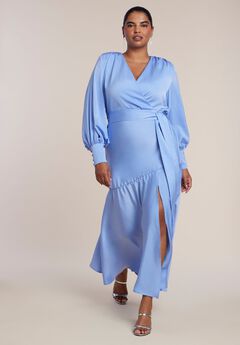 A dramatic satin maxi dress featuring strong shoulders, a surplice bodice, and an A-line skirt.What customers like:Stunning color options Beautiful and elegant design Comfortable and flattering fit High-quality material and construction Versatile for various occasions
-
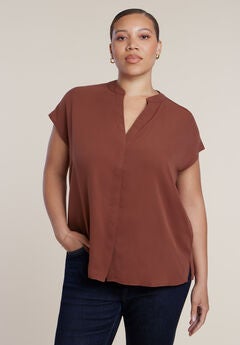 A brown, easy-fit blouse with a button front, crafted from non-stretch woven crepe fabric.What customers like:Lightweight and breathable fabric Comfortable and easy to care for Versatile for various occasions Attractive color options Flattering fit and drape
-
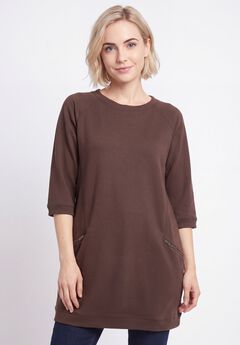 A soft French terry tunic in cotton blend with zip pockets, scoop neckline, and ribbed detailing.What customers like:Comfortable, soft French terry fabric Flattering longer length with good coverage Convenient deep zippered pockets Versatile, stylish design for easy everyday wear Warm mid-weight material for cooler weather
-
 A flowy polyester blouse featuring flutter sleeves and functional neck ties in double georgette fabric.What customers like:Lightweight fabric Flattering fit Stylish design Versatile style Comfortable material
-
 A relaxed grey jersey knit dress with a scoop neckline, cap sleeves, and above-the-knee A-line silhouette.What customers like:Easy care with minimal wrinkles True to size and well made Flattering and comfortable fit Versatile styling and use Soft, breathable, and lightweight fabric
-
 A white jersey tank featuring a scoop neckline and delicate lace trim at the hem.What customers like:Beautiful lace trim and feminine details Versatile for layering and styling Soft, comfortable, and non-irritating fabric Flattering fit with good coverage and length Durable quality that washes well
-
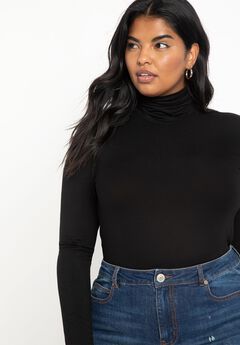 A close-fit black turtleneck made from stretchy rayon-spandex sweater yarn for easy layering.What customers like:Lightweight and breathable Soft and comfortable fabric Flattering fit and true to size Versatile for layering Stylish and practical color options
-
 A pair of brown linen-blend pants featuring an elastic drawstring waist and multiple functional pockets.What customers like:Lightweight and breathable Easy care and wrinkle resistant Multiple functional pockets Versatile style Comfortable fit
-
 A straight leg pant in soft cotton-poly knit with pull-on elastic waistband and utility side pockets.What customers like:Easy care and washability Deep and practical pockets Attractive color options Soft and durable fabric Comfortable fit
-
 A lightweight linen-blend tunic featuring a deep V-neckline, pointed hem, and easy-care fabric.What customers like:Lightweight and suitable for warm weather Easy to care for and washes well Flattering and roomy fit Versatile and easy to layer Comfortable and breathable fabric
-
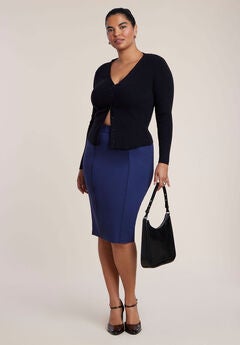 A medium-weight blue pencil skirt with a close fit and all-season stretch ponte fabric.What customers like:High quality fabric Flattering fit Comfortable wear Versatile style Professional look
-
 A black bodycon pencil skirt in comfort stretch knit with an inset elastic waistband and invisible zipper.What customers like:Great fit Flattering design Comfortable to wear Nice fabric
-
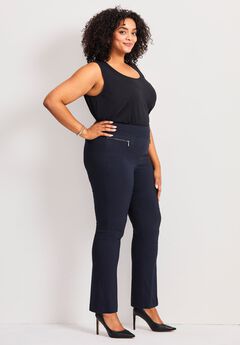 A navy straight-leg pant with a mesh Tummy Control insert and super stretch viscose blend.What customers like:Flattering and professional appearance Good color variety Super stretchy material Versatile for different occasions Comfortable fit
-
 A polished black bootcut chino crafted from stretch cotton twill for versatile comfort and style.What customers like:High quality and durable fabric Flattering and classic style Deep and functional pockets Comfortable fit Versatile for casual and professional wear
-
 A rayon woven tunic in a peasant style, featuring a tie neck, keyhole, and elastic-cuffed sleeves.What customers like:Flattering and flowy style Easy care and minimal wrinkling Versatile and timeless design Comfortable fit Lightweight and airy fabric
-
 A navy tunic dress in soft baby French terry with long sleeves, side pockets, and ballet neckline.What customers like:Soft, lightweight material Versatile for layering and multiple uses Attractive style and color options Comfortable fit Convenient side pockets
-
 A black cross front midi dress with a close fit and stretch matte jersey knit.What customers like:High quality fabric Flattering fit Sexy yet modest Versatile design Comfortable and chic
-
 A black blazer with a relaxed silhouette, notch collar, deep V neckline, and contrast striped lining.What customers like:Versatile styling options Roomy with perfect length High quality and durable fabric Chic, smart appearance Flattering and comfortable fit
-
 A stylish colorblock column skirt with a hidden elastic waistband, crafted from stretch knit ponte.What customers like:High-quality material Flattering fit Versatile style Beautiful color Stretchy fabric
Interview Attire For Plus Size Women
Frequently Asked Questions
Start with polished separates, such as a blazer with trousers or a simple dress with a jacket. Your stylist can help you choose plus size interview attire that balances workplace expectations with your personal style.
Match your outfit to the workplace rather than assuming every interview calls for a matching suit. Traditional offices may favor suits, while business-casual workplaces often welcome trousers paired with a blouse or sweater.
Build your outfit around navy, charcoal, or another understated color, then add personality with a subtle print. Your stylist can help you combine colors and patterns without making your interview outfit feel unlike you.
Choose the same level of polish you would for an in-person interview, including your full outfit. Preview your look on camera to see how your neckline, pattern, and accessories appear against your background.
Keep your accessories intentional, choosing simple jewelry and shoes that match the formality of your outfit. Your stylist can suggest finishing touches that connect your look, whether you prefer understated details or one distinctive accent.