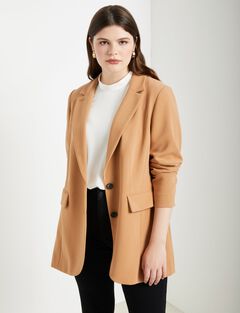
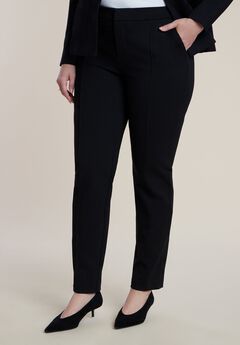
Plus Size Interview Clothing For Women
Explore plus size interview clothing for women with your workplace dress code and personal style in mind. Look for polished, professional options that feel comfortable when you sit, stand, and move. One brand’s 1X can be another’s 3X, so your stylist helps navigate fit differences. Try your picks at home, with free exchanges if your fit needs adjusting.
-
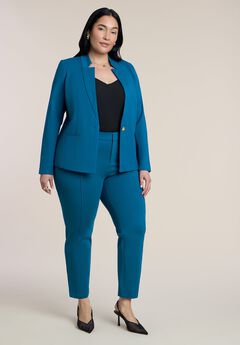 A tailored high-rise blue pant crafted from a compact stretch knit with a front fly zipper.What customers like:High-quality, stretchy fabric Professional and elegant look Flattering and comfortable fit Versatile for different occasions Durable and easy to care for
-
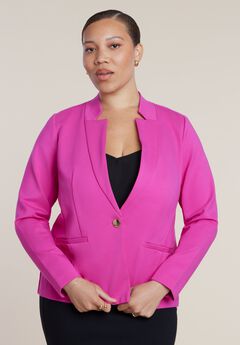 A tailored stretch knit blazer with a single button closure and notch lapel in size 20.What customers like:Flattering fit High quality material Comfortable wear Versatile style Modern and professional look
-
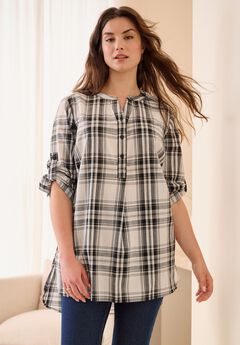 A lightweight, breathable 100% cotton tunic with three-quarter roll-tab sleeves and a relaxed silhouette.What customers like:Comfortable relaxed fit Flattering and stylish design Versatile and easy to style Easy care and washes well Lightweight and breathable cotton fabric
-
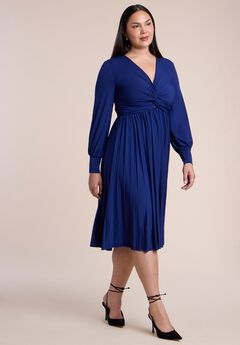 A stylish knot front dress with a pleated skirt in stretch knit matte jersey.What customers like:Flattering fit Quality design Versatile style Comfortable fabric Beautiful color
-
 A black notch collar blouse in non-stretch woven crepe with an easy fit silhouette.What customers like:Lightweight and breathable fabric Stylish and suitable for work Versatile for various occasions Flattering fit and drape Available in multiple colors
-
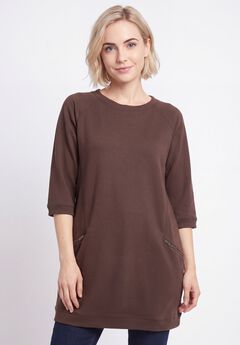 A soft French terry tunic in cotton blend with zip pockets, scoop neckline, and ribbed detailing.What customers like:Comfortable, soft French terry fabric Flattering longer length with good coverage Convenient deep zippered pockets Versatile, stylish design for easy everyday wear Warm mid-weight material for cooler weather
-
 A green flutter sleeve blouse with bow ties, crafted from flowy woven double georgette fabric.What customers like:Lightweight fabric Flattering fit Stylish design Versatile style Comfortable material
-
 A relaxed grey jersey knit dress with a scoop neckline, cap sleeves, and above-the-knee A-line silhouette.What customers like:Easy care with minimal wrinkles True to size and well made Flattering and comfortable fit Versatile styling and use Soft, breathable, and lightweight fabric
-
 A relaxed-fit, full-length pant in lightweight linen-blend with elastic drawstring waist and multiple pockets.What customers like:Lightweight and breathable fabric Easy care and wrinkle resistance Versatile style and color options Deep and functional pockets Comfortable fit
-
 A lightweight linen-blend tunic featuring a deep V-neckline, pointed hem, and short self-cuffed sleeves.What customers like:Flattering and generous fit Lightweight and suitable for warm weather Versatile and easy to layer or accessorize Comfortable and breathable fabric Durable and easy to care for
-
 A black pencil skirt in stretch ponte fabric with an encased elastic waistband for a close fit.What customers like:High quality material Classy look Versatile style Flattering and slimming Comfortable fit
-
 A black bodycon pencil skirt in comfort stretch knit, perfect for versatile office wear.What customers like:Comfortable and stretchy material Flattering fit and length True to size High-quality fabric Versatile for office wear
-
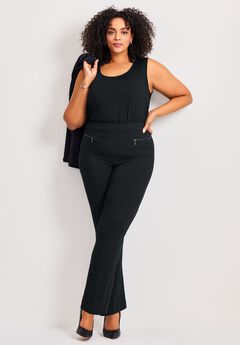 A black straight-leg pant featuring super stretch fabric, mesh tummy control, and functional zip front pockets.What customers like:Flattering and professional appearance Durable and high-quality Super stretchy material Versatile for different occasions Comfortable fit
-
 A rayon woven tunic in a peasant style, featuring a tie neck, keyhole, and elastic-cuffed sleeves.What customers like:Flattering and flowy style Easy care and minimal wrinkling Versatile and timeless design Comfortable fit Lightweight and airy fabric
-
 A black cross front midi dress with a close fit and stretch matte jersey knit.What customers like:High quality fabric Flattering fit Sexy yet modest Versatile design Comfortable and chic
-
 A black relaxed-fit blazer with notch collar, deep V neckline, flap pockets, and contrast striped lining.What customers like:High quality and well made Chic, smart appearance Flattering and comfortable fit Functional details like pockets and lining Versatile styling
-
 A stylish colorblock column skirt with a hidden elastic waistband, crafted from stretch knit ponte.What customers like:High-quality material Flattering fit Versatile style Beautiful color Stretchy fabric
-
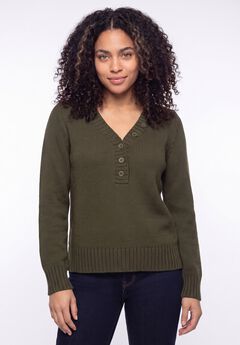 An olive cotton sweater featuring a rounded Y-neck with buttons and ribbed detailing at the cuffs and hem.What customers like:Lovely color options and color retention Washes well and keeps its shape Comfortable, soft, and warm Flattering true-to-size fit with ample room Stylish, versatile Y-neck with adjustable button opening
-
 A white stretch knit tunic featuring a V-neck, short sleeves, and a relaxed A-line silhouette.What customers like:Great length and coverage Easy to care for and durable Soft and comfortable fabric Flattering and roomy fit Variety of vibrant colors
-
 A white drape front tank in lightweight polyester, perfect for effortless layering and workwear.What customers like:High-quality material Flattering fit Comfortable and true to size Versatile for layering Professional appearance
-
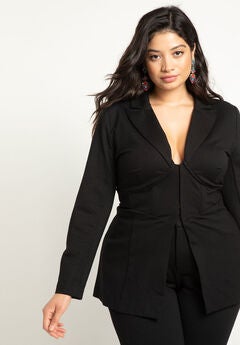 A black stretch double knit ponte blazer with a peplum hem and front hook/eye closure.What customers like:Quality fabric Flattering fit Stylish design Comfortable stretch Confidence boost
-
 A lightweight cotton-acrylic open-front cardigan with elbow-length dolman sleeves and a relaxed silhouette.What customers like:Stylish appearance with a handmade look Durable material that holds shape and color Flattering and comfortable fit Versatile for layering and multiple occasions Lightweight yet provides good coverage
-
 A black bodycon workwear dress with a crewneck, short sleeves, and a non-functional button placket.What customers like:Great fit High-quality material Versatile style Flattering design Professional appearance
-
 A brushed linen-blend tunic featuring a split neckline, hi-low hem, and three-quarter georgette sleeves.What customers like:Flattering fit and design Lightweight and breathable fabric Beautiful color options Comfortable and easy care Versatile and easy to style
Plus Size Interview Clothing For Women
Frequently Asked Questions
Start with a coordinated suit or a blazer paired with dress pants or a skirt. Keep your blouse simple so your outfit feels polished without competing for attention. Your stylist can help you build a plus size interview outfit around the company’s dress expectations and your personal style.
Pair tailored pants with a blouse or fine-knit sweater, then consider a blazer for added polish. Aim slightly dressier than the company’s everyday workplace attire. Your stylist can help you strike that balance without making your outfit feel overly formal.
Choose a dress with a simple neckline and a hemline that feels appropriate when seated. A sheath or understated A-line silhouette can be a starting point for your plus size interview wardrobe. Finish with understated shoes, and ask your stylist about a coordinating layer.
Build your outfit around navy, charcoal, black, or another understated neutral, then introduce color through your blouse. Subtle stripes or small-scale prints can add personality without dominating your look. Your stylist can help you choose combinations that reflect both your style and the workplace.
Choose the same level of professionalism you would bring to an in-person interview, including your pants or skirt. Try your outfit on camera beforehand to check how your neckline, colors, and patterns appear. Keep jewelry understated, especially pieces that might make noise near your microphone.