Plus Size Back Keyhole Dresses
Explore plus size back keyhole dresses for a peek of skin without a fully open back. Your stylist can help you consider cutout placement and bra coverage alongside your fit preferences. A 1X can fit differently from one brand to another, and your stylist knows those differences. Try your dresses at home, with free exchanges if the fit needs adjusting.
-
 A black rayon crepe shirtdress featuring a fit-and-flare silhouette, button front, and keyhole back.What customers like:Flattering fit Lightweight and soft fabric Versatile style for day or night Classic and stylish appearance Comfortable to wear
-
 A black pleated ombre maxi dress with a halter neckline and a flattering fit & flare silhouette.What customers like:Comfortable and soft material Flattering fit and silhouette Elegant and stylish appearance Receives many compliments Beautiful ombre color
-
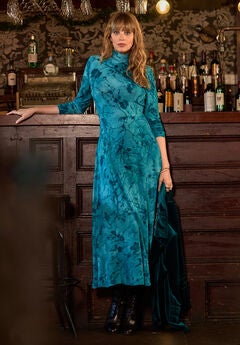 A striking flocked print midi dress with long sleeves, side pockets, and a back keyhole detail.
-
 A navy dress with a boat neckline, 3/4 lace sleeves, and a flared silhouette.
-
 A feminine blue and gray maxi dress with puff sleeves, a babydoll waist, and a keyhole back.
-
 A midnight double georgette maxi dress with a smocked waist and blouson sleeves for a flattering fit.
-
 A hunter green sleeveless midi dress with lace trim and a waist-defining wrap design.
-
 A chic red tulle flare dress adorned with gold glitter hearts, featuring a back zipper and keyhole.
-
 A purple halterneck maxi dress with an elastic waistband, keyhole back, and side slit.
-
 A black fit and flare midi dress with a Peter Pan collar and keyhole back.
-
 An elegant 1950s-inspired black dress featuring lace, tulle, and a beaded sweetheart bodice.
-
 A black pleated midi dress with a high neckline and shirred waistline for elegant occasions.
-
 A chic beige mini dress with glistening sequins, high keyhole neckline, and long sleeves.
-
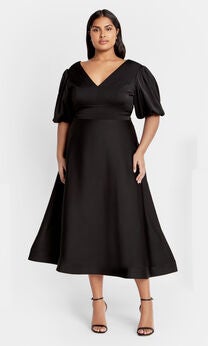 A black maxi dress with a back keyhole, elasticated back, and dramatic horsehair braid hemline.
-
 A black pleated midi dress featuring a high neckline, keyhole back, and removable self-belt.
-
 A teal maxi dress with a back keyhole and structured horsehair braid hemline for elegance.
-
 A bold lipstick pink maxi dress featuring puff sleeves, a V-neckline, and a structured horsehair braid hem.
-
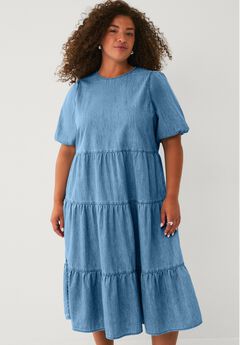 A lightweight 100% cotton denim midi dress with short sleeves, tiered A-line silhouette, and keyhole back.
-
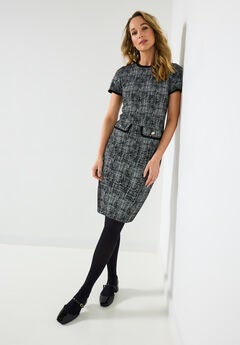 A black polyester-spandex shift dress with button accents, faux flap pockets, and a keyhole back.
-
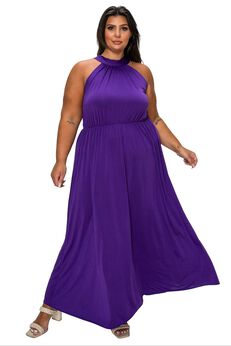 A purple halter neck maxi dress with an elasticated waist and back keyhole, crafted from soft polyester.
-
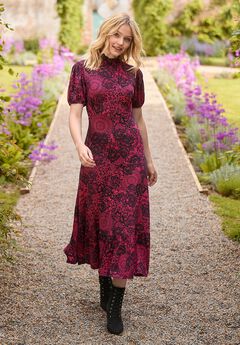 A soft pink jersey midi dress featuring a vintage lace print, puff sleeves, and frilled mockneck details.What customers like:Flattering, true-to-size fit Pretty vintage-inspired print and colors Versatile style for year-round wear Good quality and value for money Soft, stretchy, comfortable fabric
-
 A black semi-sheer georgette dress with tiered layers, blouson sleeves, and a removable knit slip.What customers like:Flattering and feminine design Stylish and receives compliments Lightweight and airy material Versatile for different occasions Comfortable fit
-
 A midnight crinkle chiffon dress featuring sheer long sleeves, ruffled tiers, and a flattering A-line silhouette.What customers like:Versatile styling options Easy care and wrinkle resistant Flattering and flowy design Comfortable fit Lightweight and airy fabric
-
 An olive rayon midi dress featuring a smocked bodice, tiered skirt, and blouson sleeves.
Plus Size Back Keyhole Dresses
Frequently Asked Questions
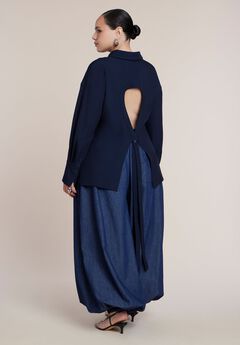
A back keyhole dress features a cutout at the back, often just below the neckline. Your stylist can help you choose a subtle opening or a more noticeable detail, depending on your personal style.
Start with the invitation’s dress code, then choose shoes and jewelry that match the occasion. Your stylist can help you pull everything together while keeping the back detail as your outfit’s focal point.
Try a low bun, a swept-up twist, or a side-swept style to leave your back detail visible. If you prefer wearing your hair down, tuck it over one shoulder to reveal the opening.
Choose your outer layer around the occasion, whether that means a tailored jacket or a relaxed cardigan. Your keyhole detail can stay covered outdoors and become part of your look when you remove your layer.
Let your dress’s neckline guide your jewelry, especially when the back already adds visual interest. Your stylist might suggest earrings and a bracelet rather than a necklace, keeping your accessories intentional without competing with the keyhole.