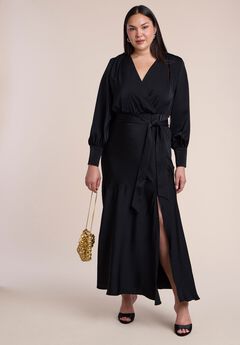
Plus Size Draped Evening Dresses
Start with the detail you love: a softly draped neckline, sculpted gathers, or a sweeping skirt. Your evening dress should suit your plans and the way you like to move. Explore plus size draped evening dresses in satin, crepe, velvet, and lamé, with different approaches to sleeves and coverage. Your stylist can help you work through fit and fabric, so the size tag isn’t your only guide.



-
 A tan floor-length satin dress featuring puff sleeves, a surplice neckline, and a draped front slit.What customers like:Flattering fit High quality material Beautiful color Elegant design Perfect for special occasions
-
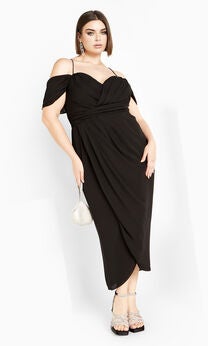 An elegant black maxi dress with an off-shoulder neckline and a tulip draped skirt.
-
 A shimmering pink stretch sequin dress featuring a draped neckline, corset bodice, and back slit.
-
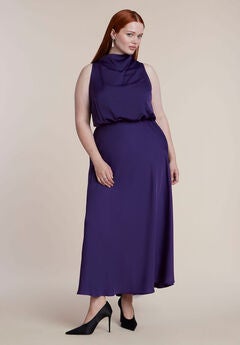 A non-stretch satin maxi dress with a draped neckline, elastic waist, fluid skirt, and back zipper.
-
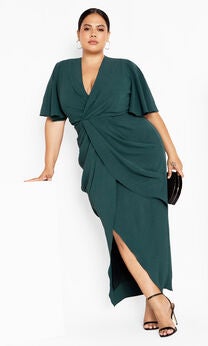 An emerald maxi dress featuring a V-neckline, tulip skirt, and elegant front draping detail.
-
 A glamorous green gown with glitter-treated fabric, featuring a surplice bodice and 3/4 sleeves.
-
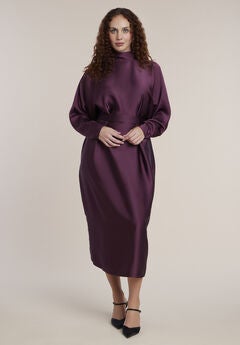 A dramatic satin midi dress with a draped mock neckline, dolman sleeves, removable belt, and back hem slit.
-
 A green velvet maxi dress with a jersey bodice, dropped waist, draped overlay, and dramatic high-low hem.
-
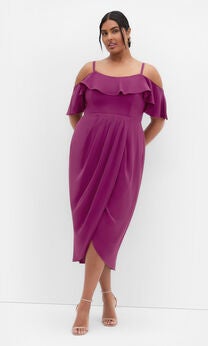 A vibrant pink midi dress featuring ruffle neckline, off-shoulder frill sleeves, and a faux wrap skirt.
-
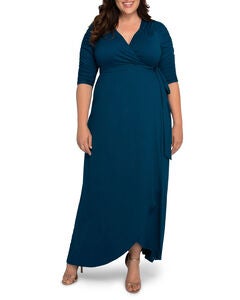
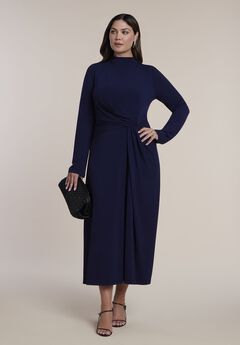 A blue heavyweight matte jersey maxi dress featuring elegant draping, mock neckline, fitted sleeves, and a front slit.
-
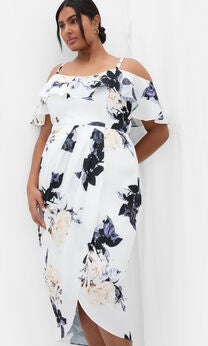 A cream midi dress featuring a ruffle neckline, off-shoulder frill sleeves, and a faux wrap skirt.
-
 A sheer georgette gown with dramatic full sleeves, ruched waist, and elegant front skirt slits.
-
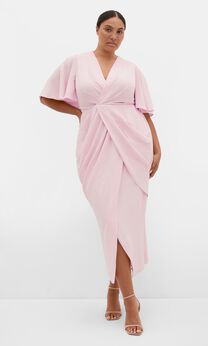 A pink polyester maxi dress with faux-wrap styling, flutter sleeves, elegant draping, and a flattering tulip skirt.
-
 An elegant blue A-line gown featuring a V-neck, impressionist-print skirt, draped sleeves, and pockets.
-
 An elegant velvet gown with gold floral skirt, draped sleeves, and hidden pockets for formal events.
-
 A flowing A-line gown featuring a draped V-neckline, soft gathers, and long sleeves for elegant comfort.
-
 A navy velvet gown featuring a draped one-shoulder neckline and flattering A-line silhouette.
-
 A navy crepe gown featuring a dramatic one-shoulder draped neckline and flattering A-line silhouette.
-
 A red gown featuring a draped V-neckline, soft gathers, long sleeves, and a flowing A-line silhouette.
-
 An elegant black floor-length gown with a surplice bodice, 3/4 sleeves, and a flattering cinched waist.
-
 An elegant black velvet gown with gold metallic floral skirt, draped sleeves, and hidden pockets.
-
 A pink gown featuring a draped V-neckline, soft gathers, long sleeves, and a flowing A-line silhouette.
-
 An elegant black georgette gown featuring an asymmetrical neckline and dramatic high-low ruffle hem.What customers like:Dramatic ruffle design Comfortable and breathable Flattering fit Gorgeous color Received many compliments
-
 A flowy black crepe midi dress featuring a surplice neckline, ruffle tiers, and adjustable drawstring waist.What customers like:Flattering and adjustable design Beautiful color options Versatile and stylish appearance Lightweight and cool fabric Comfortable fit
Plus Size Draped Evening Dresses
FAQ
Draping describes fabric arranged into folds or gathers, rather than lying flat against the dress. It can appear at your neckline, shoulder, waist, sleeves, or skirt. ELOQUII’s Draped Satin Maxi Dress uses a softly draped neckline, while Tadashi Shoji’s Carlene gown places the detail at one shoulder. Choose where you want that detail, then consider how the rest of the dress moves.
Start with what matters most for your evening. Explore plus size cape dresses when you want a flowing layer around your shoulders and arms. Consider plus size chiffon evening dresses for airy movement, checking the lining for coverage. Choose plus size long sleeve sequin evening dresses when sparkle and sleeve length are your priorities. Your stylist can help you balance those preferences with your event’s dress code.
Look for folds that fall freely without pulling across your bust, waist, or hips. One brand’s 1X might fit like another brand’s 3X, so compare your measurements with each brand’s chart. Your stylist can help interpret those differences, including whether the fabric stretches. When trying on your dress, sit, walk, and raise your arms. With Dia’s styling service, you can try your box at home and use free exchanges if the fit needs adjusting.
That depends on the neckline, back, armholes, and fabric opacity—not draping alone. A one-shoulder neckline may expose a standard bra strap, while a deep back can reveal your band. Try your dress with the bra you plan to wear and check it while moving. If keeping your regular bra is a priority, start with bra-friendly plus size formal dresses and review each style’s construction.
Follow your dress’s care label rather than assuming every evening fabric needs the same treatment. ELOQUII’s Draped Satin Maxi Dress allows machine washing on a cold, gentle cycle. Tadashi Shoji’s Carlene crepe gown and Imanie lamé gown specify dry cleaning. Check the instructions before washing, ironing, or steaming so you preserve the fabric and its folds.