Plus Size Dresses For Tall Women
Explore plus size dresses for tall women with your preferred length, waist placement, and proportions in mind. One brand’s 1X may fit differently from another’s, so your stylist looks beyond the size tag. Share your height and fit preferences to help guide your stylist’s selections, then try your box at home with free exchanges if the fit needs adjusting.
-
 A soft pink stretch cotton maxi dress with short sleeves and a flattering fit-and-flare silhouette.What customers like:Versatile style Flattering silhouette High-quality cotton fabric True to size and color Comfortable fit
-
 A chic black stretch maxi dress featuring wide elbow sleeves, a tie-back sash, and a full skirt.What customers like:Wrinkle-resistant and travel friendly Versatile style for dressing up or down Flattering silhouette Comfortable fit Soft, breathable fabric
-
 A black cross front midi dress with a close fit and stretch matte jersey knit.What customers like:High quality fabric Flattering fit Sexy yet modest Versatile design Comfortable and chic
-
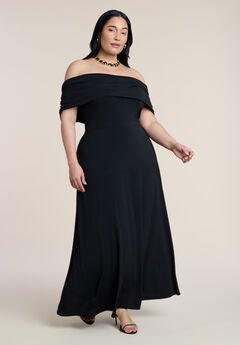 An off-the-shoulder black maxi dress with a high-stretch knit and close fit bodice.What customers like:Flattering shape Versatile style True to size Elegant design Comfortable fit
-
 A cherry polyester midi shirt dress with a waist tie and dropped shoulders for a chic look.
-
 A black satin maxi dress featuring a draped neckline and a close-fit bodice with a loose skirt.
-
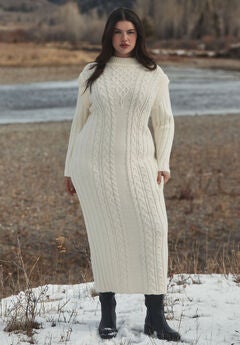 A fuzzy stretch cable-knit maxi dress with relaxed bodice, fitted skirt, mock neck, and dropped shoulders.
-
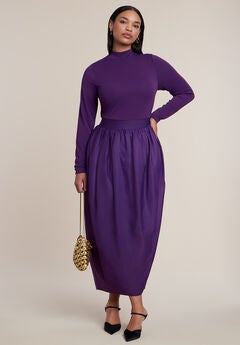 A purple maxi dress with a fitted jersey bodice, voluminous taffeta skirt, and structured tulle waist.
-
 A deep purple maxi dress with pintuck details, cuffed sleeves, and a flattering elastic waistband.
-
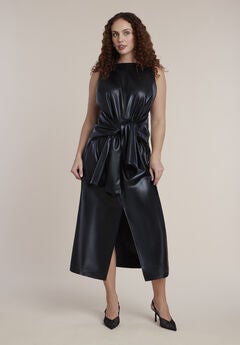 A black faux leather maxi dress with a square neckline, wraparound waist ties, and hem slit.
-
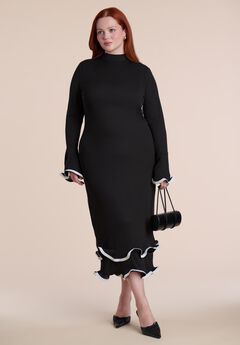 A black-and-white stretch ribbed midi dress with long sleeves, mock neckline, and structured tiered ruffle hem.
-
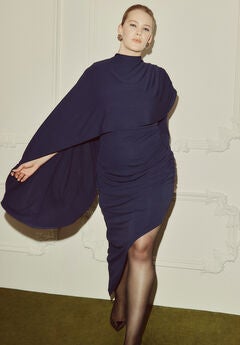 A blue matte satin maxi dress with cape overlay, asymmetric high-low hem, and long sleeves.
-
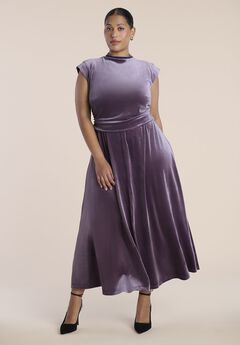 A stretch velvet midi dress with a fitted bodice, relaxed skirt, funnel neckline, and side shirring.
-
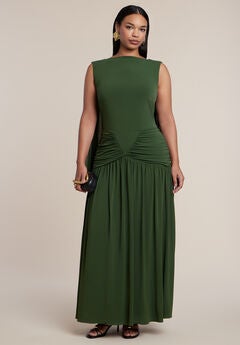 A black stretch-knit maxi dress with cape overlay, boat neckline, shirred waist, and floor-length skirt.
-
 A green velvet maxi dress with a jersey bodice, dropped waist, draped overlay, and dramatic high-low hem.
-
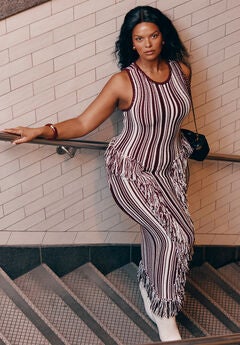 A burgundy acrylic maxi sweater dress with two-tone knit, waist fringe, mock neckline, and close fit.
-
 A blue Tencel denim shirt dress with an elastic waist, buttoned front, and hidden pockets.
-
 A midnight double georgette maxi dress with a smocked waist and blouson sleeves for a flattering fit.
-
 A black maxi dress in lightweight rayon with a square neckline, balloon sleeves, and ruffle hem.
-
 A retro-inspired jersey A-line dress with surplice neckline, three-quarter sleeves, pockets, and elastic waist.
-
 A black polyester-spandex maxi dress with a flattering empire waist, V-neck, short sleeves, and pullover styling.
-
 A versatile black dress with flutter sleeves and a waist tie, crafted from stretch knit fabric.What customers like:Vibrant color Flattering fit Versatile design Comfortable material Received compliments
-
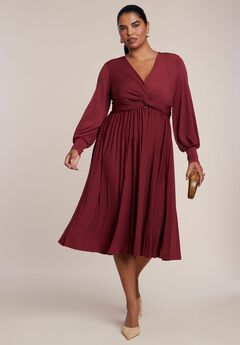 A burgundy knot front dress with a pleated skirt and elasticized waist in stretch matte jersey.What customers like:Flattering fit Quality design Versatile style Comfortable fabric Beautiful color
-
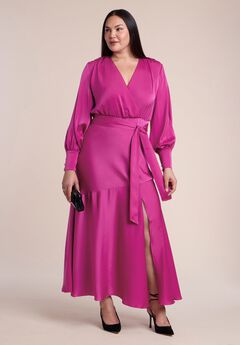 A dramatic satin maxi dress featuring strong shoulders, a surplice bodice, and an A-line skirt.What customers like:Stunning color options Beautiful and elegant design Comfortable and flattering fit High-quality material and construction Versatile for various occasions
Plus Size Dresses For Tall Women
Frequently Asked Questions
Start with shirt dresses, wrap styles, or flowing maxis, depending on how you like to dress. Your stylist can help you explore different silhouettes while keeping your daily routine and personal preferences in mind.
Pair your midi dress with loafers and a structured blazer for an easy office outfit. Choose a cropped jacket when you want to highlight your waist without interrupting your dress’s longer lines.
Explore bold florals, geometric patterns, or smaller prints based on what feels most like your style. Your height doesn’t dictate your print choices; your stylist can help you balance patterns with your favorite accessories.
Try an open jacket to keep your dress visible and create a clear vertical line. Choose a shorter layer to emphasize your waist, or a longer cardigan for a relaxed look.
Let your dress’s neckline guide your jewelry, then choose shoes that suit the setting and your plans. Your stylist can help you decide between statement earrings, a necklace, or a standout bag without overcomplicating your outfit.