Plus Size Dressy Blouses
Find plus size dressy blouses for work events, dinner plans, and other dressed-up occasions. Your stylist helps you choose polished tops with your personal style and actual fit in mind. One brand’s 1X can fit like another’s 3X, and your stylist knows those differences. Try your picks at home, with free exchanges if you need a different fit.
-
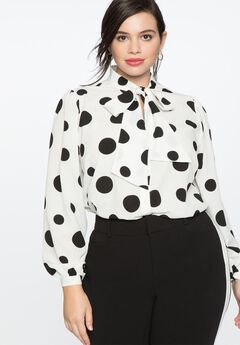 A white polyester blouse with a tie neck and puff sleeves, offering an easy fit.What customers like:Quality fabric Classy design Flattering fit Easy care Versatile style
-
 A 100% polyester satin blouse with draped pleat detail and side slits, hitting at the hip.What customers like:Beautiful design High quality Perfect fit Versatile style Flattering drape
-
 A dreamy georgette overlay blouse with a whimsical border print and comfortable stretch-jersey lining.
-
 A pink georgette blouse with an asymmetrical hem and sheer three-quarter dolman sleeves.
-
 A luxurious satin wrap blouse with a V-neckline, long sleeves, and a modern curved hemline.
-
 A royal blue satin blouse with a flattering V-neck and charming tie front detail.
-
 A black woven Viscose blouse with gold buttons and intricate print for bold sophistication.
-
 An elegant viscose blouse with intricate embroidery, long blouson sleeves, and chic covered buttons.
-
 A sophisticated woven viscose blouse with shirred details, long sleeves, and a notched V-neckline.
-
 A navy georgette blouse with a relaxed fit and classic collar, perfect for versatile styling.
-
 A chic georgette blouse with a Y neckline and 3/4 tab sleeves, perfect for any occasion.
-
 A black double-layered blouse with sheer voluminous sleeves, notch neckline, and decorative button accents.
-
 A black georgette blouse featuring soft ruffles, a stand collar, and tailored darts for a structured look.
-
 A black 100% polyester blouse featuring ruffled lace cape sleeves and a gathered neckline for elegant flair.
-
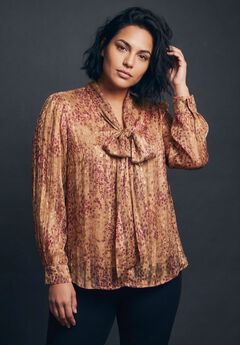 A shimmering polyester blouse with a tie neckline, balloon sleeves, and relaxed silhouette for polished movement.
-
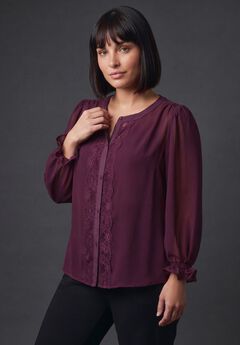 A polyester blouse featuring lace panels, gathered sleeves, ruffled cuffs, and a relaxed button-front silhouette.
-
 A black satin-like polyester blouse with relaxed fit, button-front styling, long sleeves, and comfortable hip-length coverage.
-
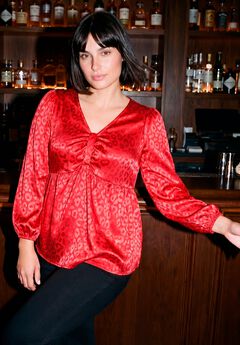 A red satin jacquard blouse with a subtle sheen, gathered silhouette, V-neckline, and elastic-cuffed blouson sleeves.
-
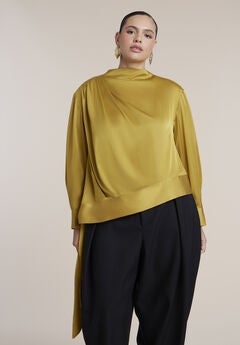 A lustrous satin blouse with a draped neckline, pleats, adjustable waist tie, asymmetrical hem, and long sleeves.
-
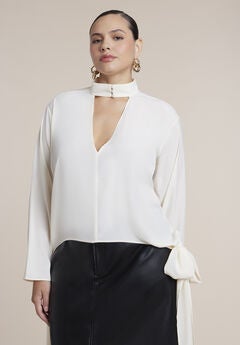 A soft crepe blouse with a mock neckline, cutout detail, dropped shoulders, and draped waist ties.
-
 A white chiffon blouse with a mandarin collar and sheer three-quarter sleeves for elegant styling.
-
 A luxurious flute sleeve blouse with a surplice neckline and smart ruching in a rich hue.
-
 A stunning two-tone lace top with a scalloped neckline and flattering peplum detail.
-
 A chic white crepe blouse with a neck tie and billowing long sleeves for vintage glamour.
Plus Size Dressy Blouses
Frequently Asked Questions
Look for thoughtful details like an interesting neckline, statement sleeves, delicate pleating, or decorative buttons. Your stylist can help you choose a focal point that feels natural with your personal style.
Check your invitation’s dress code first, then consider pairing your blouse with tailored trousers or a dressy skirt. For celebrations that welcome separates, your stylist can help you create an outfit that feels polished and personal.
Pair your blouse with dark-wash jeans and simple shoes to balance relaxed denim with dressier details. Try a partial tuck if you want to show your waistband without tucking in your entire blouse.
Start with your blouse, tailored pants, and a blazer for an outfit that feels polished at work. Leave your blazer behind and add statement earrings when you’re ready to head to dinner. Your stylist can help you build around pieces you already enjoy wearing.
Let your blouse’s neckline and details guide your jewelry, rather than adding several competing focal points. Try earrings with an embellished neckline, or a necklace when your blouse has a simpler design. Your stylist can help you choose accessories that support the look without overwhelming it.