Plus Size Dressy Blazers
Find plus size dressy blazers to add a polished layer to your work outfits and evening looks. Your stylist can help you choose a fit that feels comfortable through your shoulders and arms. A 1X in one brand may fit differently in another, so your stylist looks beyond the tag. Try your picks at home, with free exchanges if you need a different fit.
-
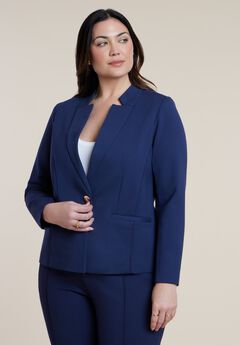 A tailored blue blazer in stretch knit with a notch lapel and single button closure.What customers like:High quality, stretchy material Versatile and stylish design Beautiful color options Professional and modern look Flattering and comfortable fit
-
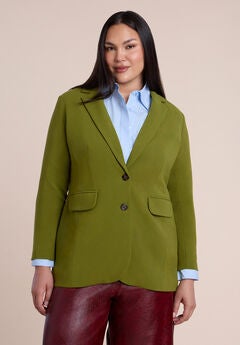 A classic two-button blazer in soft, slightly stretchy woven fabric with welt flap pockets and full lining.What customers like:Flattering and tailored fit High quality and well-made Versatile styling and color Polished and stylish appearance Comfortable with soft, stretchy fabric
-
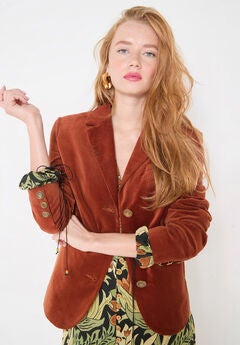 A regal cotton-spandex blazer in moleskin with red button stitching, notched lapel, and printed lining.What customers like:Versatile and stylish for multiple seasons High quality materials and construction Flattering and excellent fit Beautiful color and design Comfortable and cosy
-
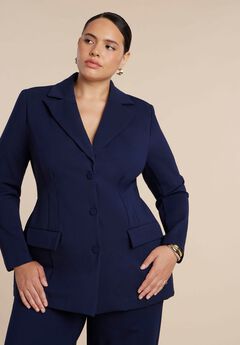 A close-fit blue blazer in stretch knit with notch lapel, single button closure, and structured shoulders.
-
 A slim-fitting blazer with a sleek 2-button closure, crafted from polyester-viscose blend.
-
 A navy one-button blazer in superstretch fabric offers a flattering fit and chic sophistication.
-
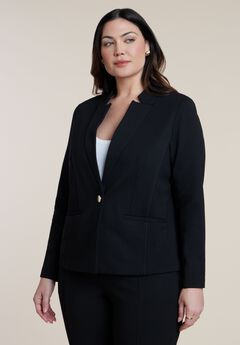
 A black polyester-spandex blazer with an asymmetrical button closure and flattering shaped silhouette.
-
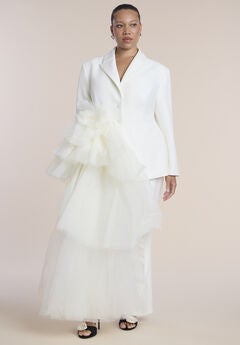 A tailored black blazer featuring strong shoulders, peak lapels, and a dramatic removable tiered tulle accent.
-
 A black double-breasted blazer in breathable coolhand fabric, perfect for stylish comfort.
-
 A dark cherry stretch ponte blazer with a collared neckline, dual button closure, and functional pockets.
-
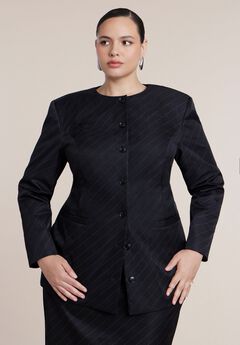 A sleek black polyester blazer featuring strong sculptural shoulders, a collarless neckline, and adjustable cinched waist.
-
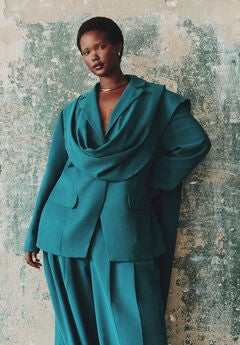 A polished woven twill blazer featuring a draped scarf detail, sharp shoulders, and functional flap pockets.
-
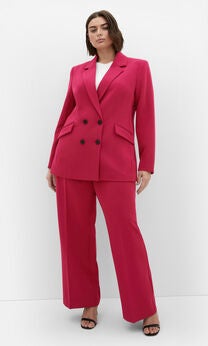 An oversized deep rose blazer in a polyester blend with classic lapels, double button closure, and pockets.
-
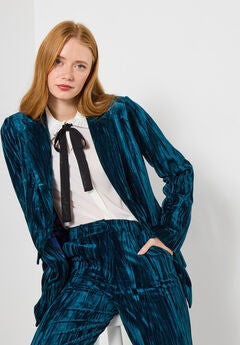 A glamorous crushed-velvet blazer featuring princess seams, covered buttons, flap pockets, and a printed lining.
-
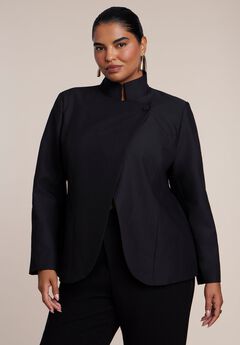 A black twill blazer featuring a stand collar, overlapping double-breasted front, neckline cutout, and strong shoulders.
-
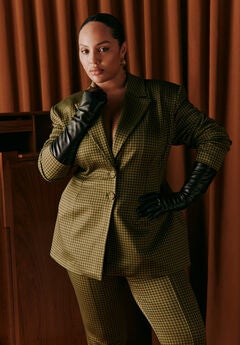 A green houndstooth ponte blazer with structured shoulders, princess seams, and a sharply defined hourglass silhouette.
-
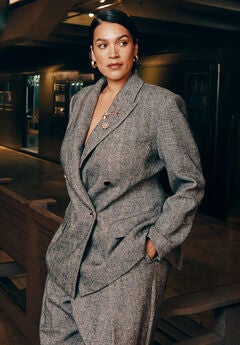 A tailored herringbone blazer with strong shoulders, wide peak lapels, and a double-breasted wool-blend design.
-
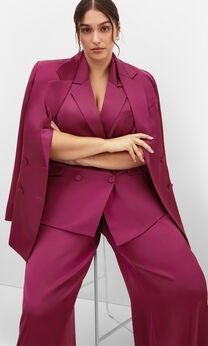 A sophisticated red faux satin blazer featuring classic lapels, shoulder pads, double-button closure, and a back slit.
-
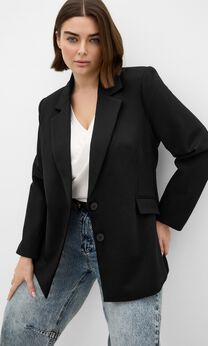 A polished black ponte blazer featuring stretch fabric, classic lapels, button closure, pockets, and full-length sleeves.
-
 A burgundy velvet blazer with vintage elegance, featuring long sleeves and a front closure.
-
 A black regular fit blazer with notch lapels, front besom pockets, and long sleeves.
-
 A tailored, double-breasted black blazer crafted from high-stretch, wrinkle-resistant, machine-washable suiting fabric.
-
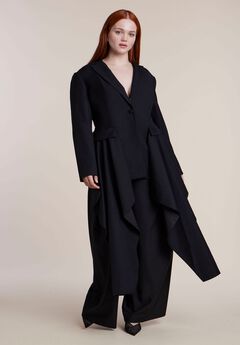 A black blazer in woven polyester-rayon features strong shoulders, sculpted seams, notched lapels, and welt pockets.
-
 A lightweight black tweed blazer jacket featuring an open front, crew neck, and elegant lined design.
Plus Size Dressy Blazers
Frequently Asked Questions
Layer your blazer over a simple dress, then add polished shoes and one statement accessory. Your stylist can help you choose details that suit your invitation, whether you're attending a cocktail party or an anniversary dinner.
Try a camisole for an evening look, a blouse for added detail, or a simple shell for understated polish. Keep your neckline in mind: a quieter layer lets your blazer and jewelry take the lead.
Yes. Pair your blazer with dark-wash jeans and a tucked-in top for a polished dinner outfit. Your stylist can help balance the dressier details with relaxed denim so your look feels intentional rather than overly formal.
Start with your blazer, tailored pants, and a simple blouse for your workday. For dinner, swap your work bag for a clutch and add statement earrings. Keep the rest of your outfit familiar so getting ready takes less thought.
Choose one focal point, such as bold earrings, a pendant necklace, or an embellished bag. If your blazer already has eye-catching details, keep your accessories quieter. Your stylist can help you build combinations around the jewelry and shoes you already enjoy wearing.