Plus Size Layering Essentials for Work and Everyday Outfits
Build your plus size layering wardrobe around the outfits you actually wear, from office mornings to casual afternoons. Start with a camisole or simple tee, then add a cardigan or denim jacket. Your stylist considers neckline, sleeve room, and length together, so each layer has a purpose.
-
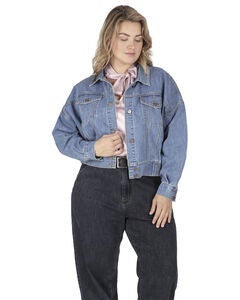 A cropped denim jacket with a ruched back hem, crafted from a cotton blend for year-round wear.
-
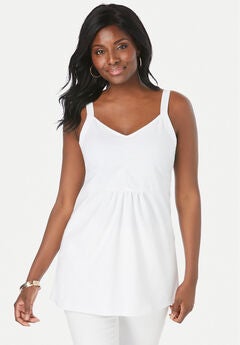
 A white stretch cotton cami with adjustable straps, perfect for versatile layering year-round.What customers like:Soft and quality fabric Versatile for layering Good length and coverage Comfortable fit Adjustable straps
-
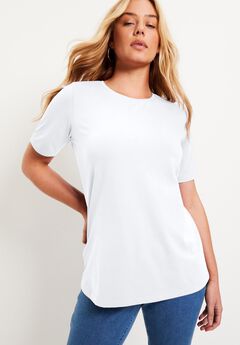 A versatile white tee crafted from soft cotton knit, perfect for layering or wearing alone.
-
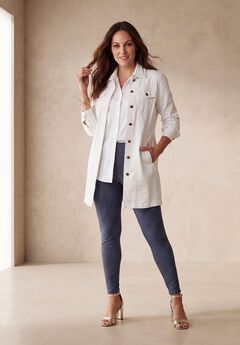 A white cotton denim jacket with an extended silhouette, functional pockets, and button cuffs for layering.What customers like:Versatile and stylish design Deep and practical pockets Well made and high quality Flattering and comfortable fit Great length and sleeve details
-
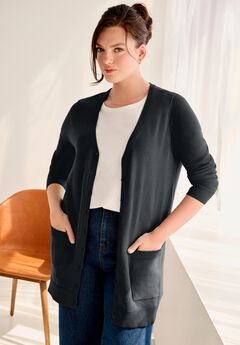 A black 100% cotton cardigan featuring a V-neckline, button-front, and ribbed detailing for versatile layering.What customers like:Comfortable and soft material Lightweight yet warm Convenient pockets and stylish design Versatile for layering and multiple seasons True to size and flattering fit
-
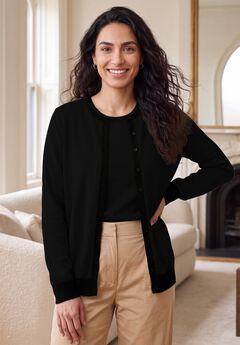 A black cotton-blend cardigan with a lightweight fine-gauge knit, button-front closure, and long sleeves.What customers like:True to size with flattering look High quality and well made Versatile and easy to style Lightweight and good for layering Comfortable fit and soft fabric
-
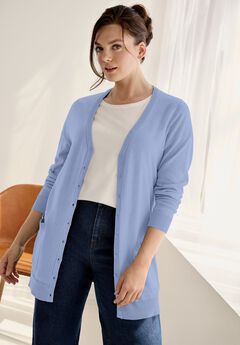
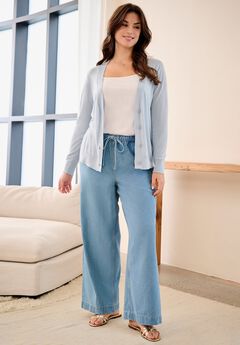 A lightweight blue cardigan in fine rayon-polyester knit, featuring a relaxed boxy fit and button-front V-neck.What customers like:Lightweight and comfortable Beautiful color options Flattering and versatile fit Perfect for layering and all-day wear Soft material and good feel
-
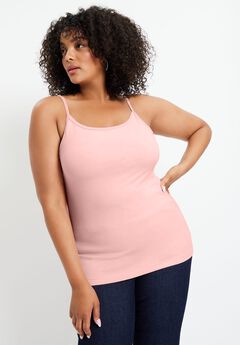 A versatile cotton knit cami with an interior shelf bra and adjustable straps for perfect layering.What customers like:Variety of colors Versatile design Supportive shelf bra Comfortable fit Soft cotton material
-
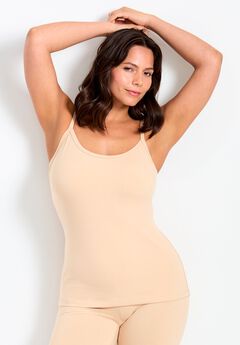 A versatile cotton knit cami with adjustable straps, perfect for layering or lounging in comfort.
-
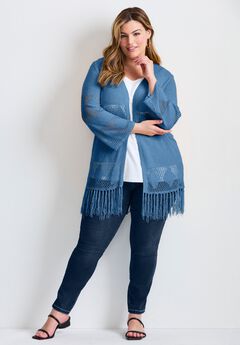 A super-soft open-knit cardigan with fringe hem, offering a cozy boho charm for versatile layering.
-
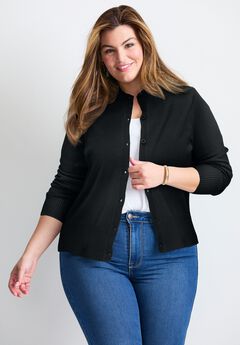 A black, pure cotton cardigan with a button front and ribbed cuffs for effortless layering.
-
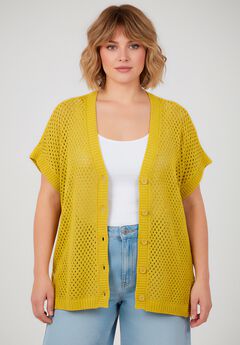 A lightweight, breathable cotton cardigan with open-knit texture, button front, and relaxed dolman sleeves.
-
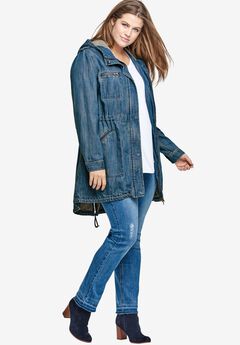 A cotton denim anorak jacket featuring an attached hood, braided drawstring, and adjustable waist for shape.What customers like:Good quality denim Great length and coverage Versatile style Functional hood and pockets Comfortable fit
-
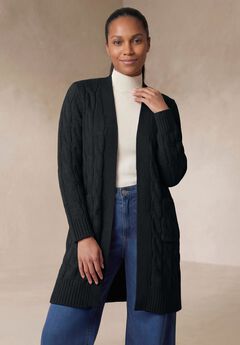 A black cable knit duster sweater with shawl collar, open front, and convenient pockets in soft acrylic blend.What customers like:Durable and maintains appearance after washing Flattering and stylish fit Warm and cozy Versatile for layering and outfits Soft and comfortable material
-
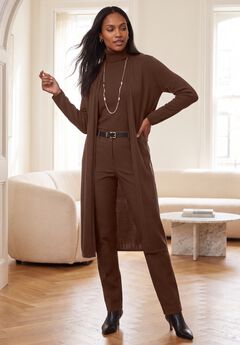 A brown cashmere-blend duster sweater with an open-front fit, side slits, and 45-inch length.What customers like:Soft, luxurious cashmere-blend feel Flattering, non-clingy fit with a versatile long length Lightweight warmth ideal for layering and transitional weather Rich, attractive colors and stylish appearance Well-made, comfortable, and polished for versatile wear
-
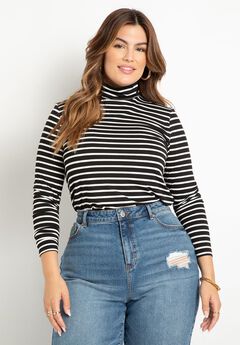
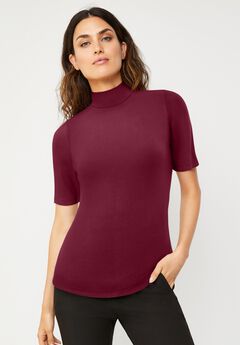 A slightly fitted mock neck tee with elbow-length sleeves in soft rayon-spandex jersey knit.What customers like:Flattering and versatile fit Very comfortable and soft fabric High quality and durable material Perfect for layering and tucking in Stylish design with rich color options
-
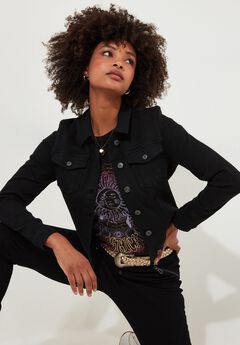 A classic black denim jacket with stretch fabric, chest pockets, and buttoned cuffs for casual layering.What customers like:Attractive color and stylish appearance Quality, well-made material with a flattering cut Soft, stretchy, and comfortable fabric Versatile style for layering with many outfits Excellent fit and true to size
-
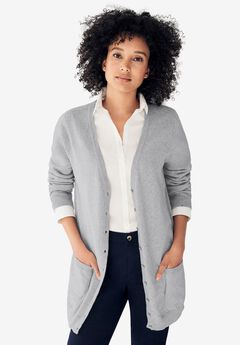
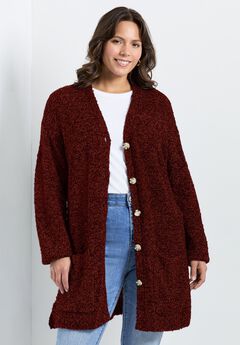 A soft knit boucle cardigan with tortoiseshell buttons, front pockets, and a relaxed silhouette.
-
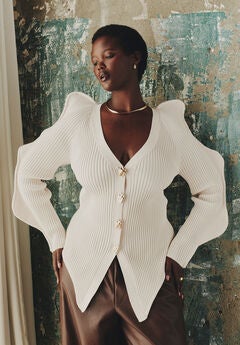 A ribbed knit cardigan in soft rayon-nylon with exaggerated puff sleeves and a modern V-neckline.
-
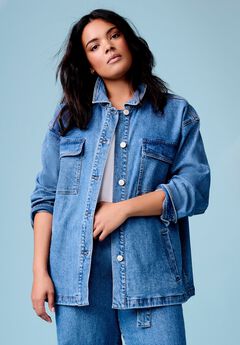 A versatile denim jacket with flap pockets and stretch, perfect for both office and casual wear.
-
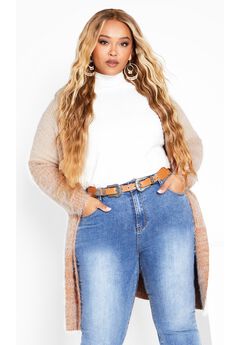 A versatile open-front cardigan in soft knit with a collared neckline and full-length sleeves.
-
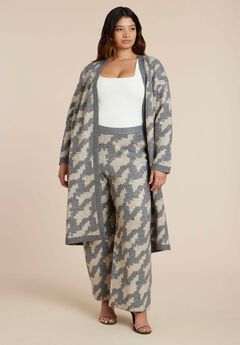 A cozy intarsia knit duster sweater with an elongated relaxed silhouette, dropped shoulders, and long sleeves.
-
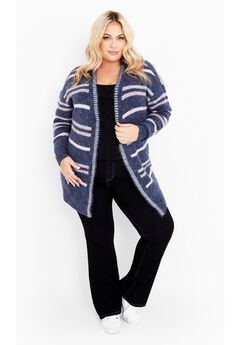 A soft knit striped cardigan with a relaxed fit and cozy full-length sleeves.
-
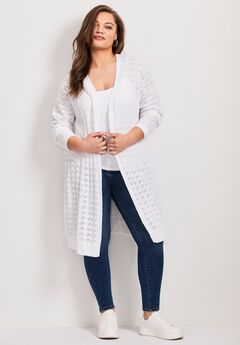 A white, open-front cardigan with a textured knit pattern, perfect for versatile layering.
Plus Size Layering Essentials for Work and Everyday Outfits
FAQ
Choose plus size camisoles when you want coverage beneath your outfit without adding sleeves. Choose layering tees when you prefer shoulder or arm coverage. Check where your base layer’s neckline meets your outer layer, especially if you want it to stay hidden.
Explore cardigans for work when your outfit calls for a soft knit finish over a blouse or tee. For a more casual pairing, try denim jackets for dresses. Consider the dress’s waistline and sleeve shape when choosing your jacket’s length and roominess.
Explore V-neck cardigans when you want your base layer’s neckline to remain visible. Consider cotton and cotton-blend button-front cardigans when fabric composition and open-or-closed styling matter to you. These features can overlap; compare knit weight, texture, and care instructions before choosing.
Start with a lightweight base that lies smoothly, then leave room for it beneath your outer layer. Check that sleeves slide comfortably inside each other rather than gathering at your elbows. Your stylist considers the combination: even two comfortable pieces can bunch when their seams or sleeve shapes compete.
Build around colors you already wear, then choose whether your layers should blend or contrast. Similar tones create a quieter combination, while a contrasting base stands out beneath an open cardigan or jacket. Repeat one color in your shoes or accessories to connect the outfit.