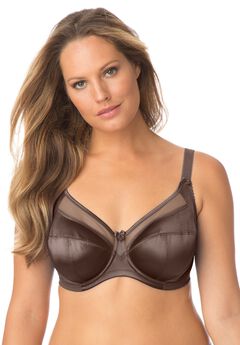
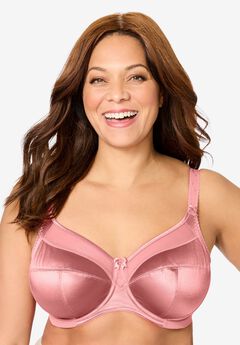
Plus Size Underwire Bra Full Coverage
Explore plus size full-coverage underwire bras for more coverage across your bust and structured support. Sizing varies between brands, so your stylist looks beyond the size on your tag. Share your band size, cup size, and fit concerns to help your stylist guide your choices.
-
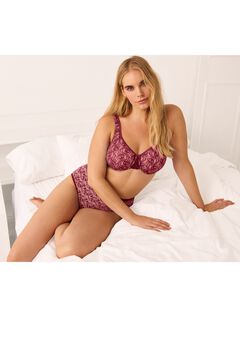 A full coverage underwire bra with soft stretch nylon, lace accents, and padded adjustable straps.
-
 A white front-closure bra with cushioned underwire and adjustable straps for ultimate comfort.
-
 A vintage-inspired white bra with floral embroidery, satin pintucks, and supportive underwire for all-day comfort.
-
 A black lace underwire bra with cushioned Wonderwire and extra-wide padded straps for comfort.
-
 A chic black underwire bra with embroidered tulip print, offering full coverage and support.
-
 A black full coverage bra featuring double-layer mesh, a fuller neckline, and longer underwire support.
-
 A sexy black stretch-lace underwire bra with a front closure and adjustable straps for full coverage.
-
 A comfortable stretch lace bra with a secure front clasp and adjustable straps for full coverage.
-
 A black front-closure bra with underwire and seamless adjustable straps for all-around smoothing support.
-
 A red strapless underwire bra with versatile straps and silicone strips for secure, comfortable support.
-
 A black lace bra with padded underwire, offering full coverage and adjustable straps for comfort.
-
 A pink T-back underwire bra with adjustable straps, full coverage, and a front snap closure.
-
 A luxurious Austrian Modal bra with flexible underwire, offering superior softness and second-skin support.
-
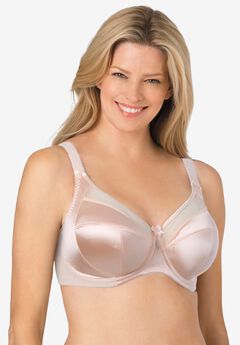 A supportive underwire bra in smooth satin with adjustable straps and a sheer top cup.What customers like:High durability Perfect fit Great support Comfortable material Pretty design
-
 A seamless black bra with mesh lining, underwire support, and molded cups for smooth, contoured comfort.
-
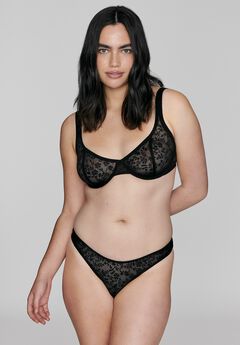 A chic black botanical lace bra with flexible underwire and adjustable straps for natural shaping.
-
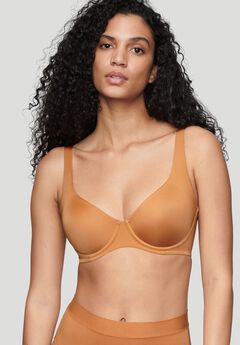 A caramel microfiber bra with a curved neckline, unlined underwire cups, seamless shaping, and adjustable straps.
-
 A black longline bra crafted from soft, breathable mesh with flexible underwire and supportive boning.
-
 A soft, sheer, and lightweight bra in trellis-stitched lace with flexible underwire and gold hardware.
-
 A supportive full cup bra featuring high-shine floral embroidery and matte geometric lace for modern elegance.
Plus Size Underwire Bra Full Coverage
Frequently Asked Questions
A full coverage underwire bra combines wires beneath the cups with a more enclosing cup design. Compared with demi or plunge styles, the cups generally extend higher across your bust. Details such as the neckline, seams, and trim give each design its own look.
Start with crew necks, higher scoops, and button-front shirts when you prefer your bra concealed. Lower or wider necklines may reveal the upper cups, depending on their cut. Tell your stylist which necklines you love, so your outfits reflect your preferred coverage.
Smooth cups have a simpler appearance, while details like lace, embroidery, or decorative seams create texture. Consider whether you want your lingerie understated or part of your outfit’s visual interest. Your personal style can guide that choice just as much as your clothing does.
Choose a similar color for a tonal look, or use contrast to make your lingerie intentional. A dark bra beneath a light sheer blouse creates a more pronounced statement. Add your favorite camisole when you want another layer between your bra and blouse.
Start with a color you enjoy, then repeat it in your briefs or other lingerie. You don’t need an exact matching set to create a coordinated look. Shared details, such as similar trim or a recurring accent color, can tie your choices together.