Plus Size Women's Graphic Tops
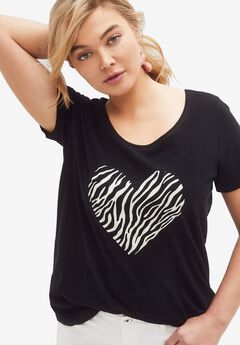
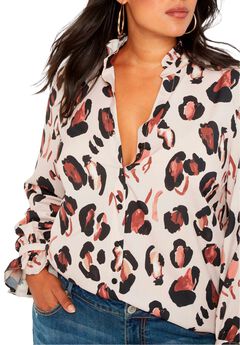
Find plus size women's graphic tops that express your style, whether paired with jeans or layered under a jacket. Explore designs with your stylist’s guidance on your preferences and fit. One brand’s 1X might be another’s 3X, and your stylist knows to look beyond the tag. Try your picks at home, with free exchanges if the fit isn’t right.
-
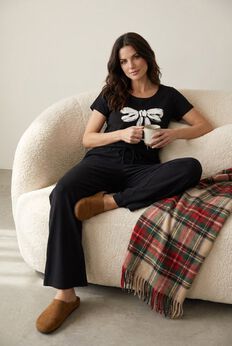 A white-and-black cotton jersey slub tee with a scoop neckline, short sleeves, and screen-printed graphic.What customers like:Soft and lightweight material Flattering longer length Vibrant and beautiful colors Comfortable fit Cute and trendy graphic designs
-
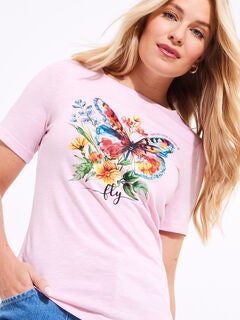
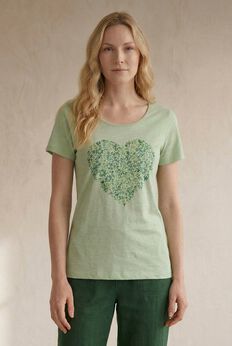
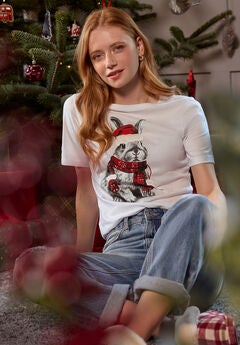 A breathable cotton tee featuring a vibrant seasonal graphic, crew neckline, short sleeves, and straight hem.What customers like:Soft, comfortable fabric Relaxed, flattering fit Durable, washable construction Fun and stylish graphic design Breathable and lightweight feel
-
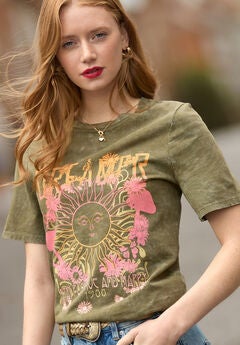 A breathable cotton-spandex tee featuring a mystical graphic and modern boho vibes in a classic crewneck style.What customers like:Flattering and stylish design Lightweight and breathable Soft, quality material Vibrant and beautiful colors Comfortable fit
-
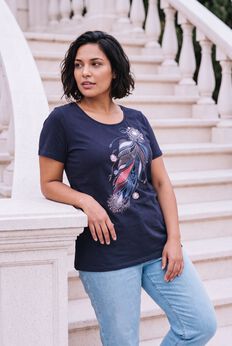 A navy scoop neck tee crafted from soft, breathable cotton for relaxed, all-day comfort.
-
 A casual V-neck T-shirt in soft pure cotton knit with short sleeves and a relaxed fit.
-
 A hot pink fitted graphic tee with a scoop neckline and empowering white text.
-
 A white fitted graphic tee with pink and teal script, featuring short sleeves and a scoop neckline.
-
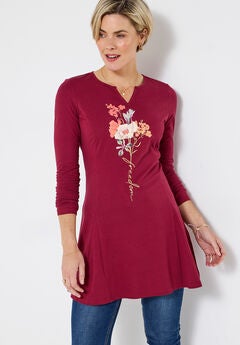 A soft rayon-spandex tunic with floral graphic, notch neck, inverted hip pleats, and self-covered buttons.
-
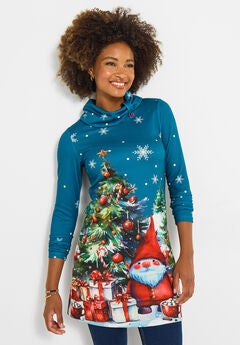 A festive rayon-spandex tunic featuring a charming Santa graphic, cowlneck, and straight silhouette.
-
 A red stretch jersey top with 3/4 sleeves and a sparkling nailhead placement print.
-
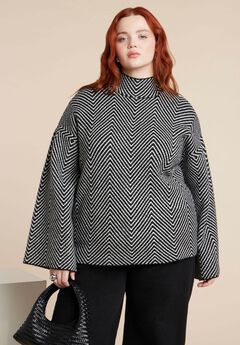 An oversized black sweater with chevron intarsia design, mock neck, and wide sleeves in stretch yarn.
-
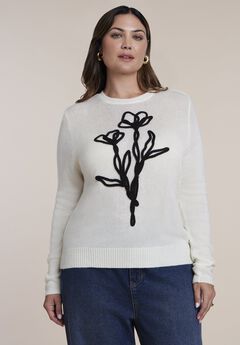 A fitted illustrative sweater featuring a graphic motif, semi-sheer brushed stretch knit, crewneck, and long sleeves.
-
 A red V-neck peplum blouse with ruffle sleeves and a removable belt, made of polyester-spandex.
-
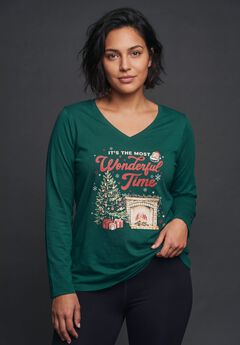 A soft green cotton long-sleeve tee with a playful graphic and relaxed, feminine silhouette.
-
 A soft cotton French terry tunic sweatshirt featuring a ribbed scoop neckline and 'Love' chest screenprint.What customers like:Trendy and cute design Lightweight yet warm Perfect tunic length for leggings Soft and comfortable fabric Flattering and roomy fit
-
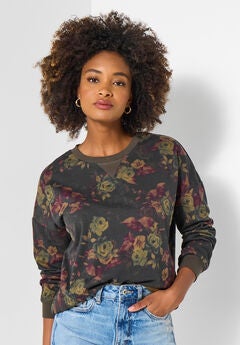 A cozy acrylic-cotton pullover featuring a rich floral print, crew neck, and raw hem for autumn style.
-
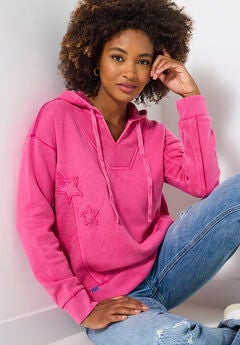 A cozy pink cotton hoodie featuring paisley lining, raw seam details, and playful star appliques.
-
 A versatile top with an elasticated neckline, 3/4 ruffle sleeves, and a standout placement print.
-
 A brushed tunic featuring a round neckline with printed trim, elbow-length tie sleeves, and relaxed silhouette.
-
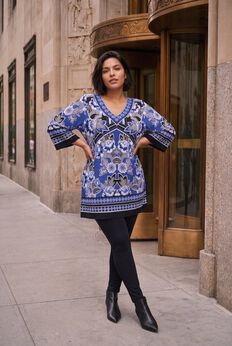 A vibrant tunic with floral and geometric prints, featuring a V-neckline and three-quarter sleeves.
-
 A black V-neck blouse with a boho placement print and blouson sleeves, made from 100% viscose.
-
 A black floral-printed knit top with tiered ruffle sleeves and a relaxed boho-chic appeal.
-
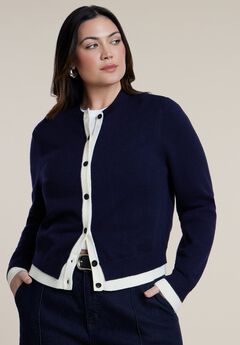 A close-fit white and navy cardigan in stretch sweater yarn with a graphic colorblocked design and button front.

Plus Size Women's Graphic Tops
Frequently Asked Questions
Pair your plus size graphic tops with your favorite jeans and sneakers for an easy starting point. Your stylist can help you choose layers and accessories that bring your personal style into the outfit.
Wear your graphic top with tailored pants or a midi skirt, then add earrings and polished shoes. Your stylist can help balance the casual graphic with dressier pieces so your outfit feels intentional.
Try an open cardigan, denim jacket, or blazer to keep your graphic visible while adding another dimension. Your stylist can recommend a layer based on your plans and the pieces you already enjoy wearing.
Start with graphics, colors, and messages you genuinely enjoy rather than choosing a design just because it's trending. Share those preferences in your style profile so your stylist understands what feels like you.
Choose a pattern that shares a color with your graphic to give your outfit a common thread. Keep your accessories simple, and ask your stylist for pairings that match how bold you want to go.