Cyber Monday Sale On Plus Size Jeans
Shop the Cyber Monday sale on plus size jeans for straight-leg, bootcut, skinny, and wide-leg options. Compare mid- and high-rise styles, stretch denim, and pull-on waistbands to narrow down your preferences. Your stylist knows sizing varies from brand to brand and can help you navigate those differences.
-
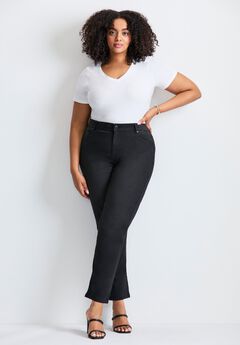
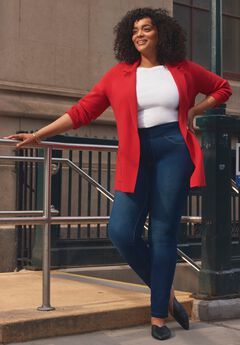
 A soft, stretch straight leg jean in butter denim with a zip fly, five pockets, and belt loops.What customers like:Easy to care for Flattering and true-to-size fit Durable and well made Soft and comfortable fabric Great stretch and flexibility
-
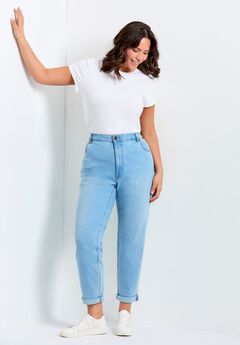
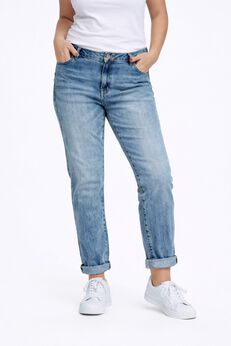 A relaxed-fit denim jean with a slightly tapered leg, 5-pocket styling, and comfortable cotton-spandex blend.What customers like:Well made and quality material Flattering and stylish Versatile for casual wear Good stretch Comfortable fit
-
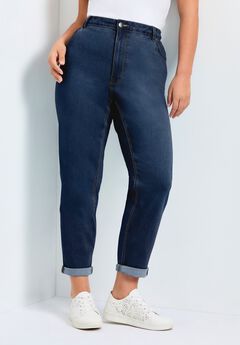 A relaxed slim fit jean in dark wash stretch denim with an optional rolled hemline.What customers like:Lightweight fabric Retains shape Flattering length Good stretch Comfortable fit
-
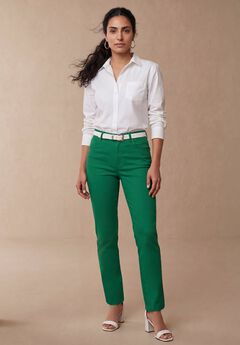 A green, non-stretch 100% cotton denim jean with classic five-pocket styling and a straight-leg fit.What customers like:High quality fabric Classic straight-leg style Well made construction Great color selection Comfortable fit
-
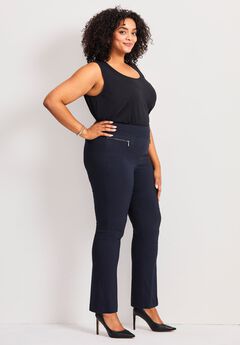
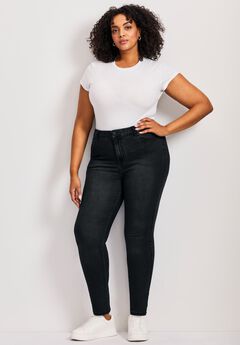 A versatile black skinny jean with a wide elastic waistband and comfortable stretch fabric.What customers like:Soft material Great color and appearance True to size Durable and well made Comfortable fit
-
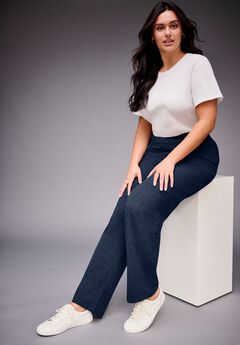
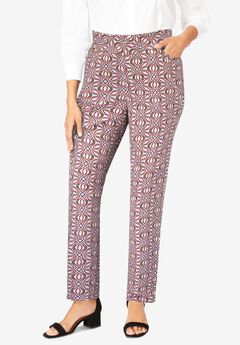 A pull-on stretch denim jean featuring an extra wide waistband, faux fly, and side pockets.What customers like:Flattering and smooth waist design Versatile styling and appearance Comfortable fit and waistband Good stretch and fabric quality True to size with secure fit
-
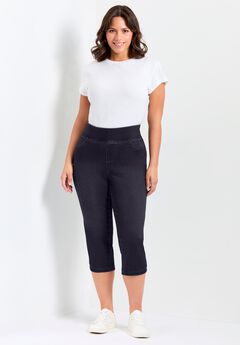
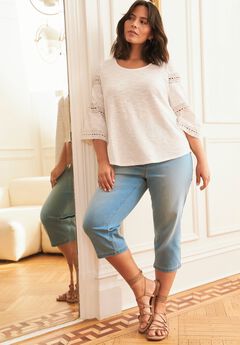 A high-rise, pull-on crop jean in stretch denim with a wide waistband and functional back pockets.What customers like:True to size Flattering and supportive Stretchy, thick fabric Easy to put on and wash Comfortable fit
-
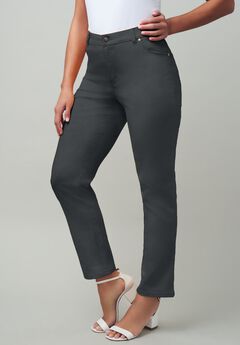 A polished straight-leg jean crafted from premium stretch denim for comfort, shape retention, and versatile styling.What customers like:High quality and durable material Comfortable stretch fabric Attractive color options Versatile and flattering design Excellent fit and sizing
-
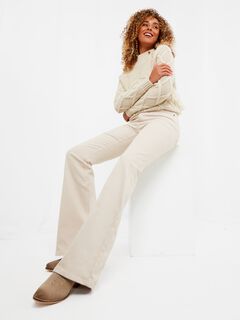 A stretch bootcut jean with five pockets, available in blue or black cotton blends.What customers like:Flattering fit Soft denim Deep color Nice stretch Comfortable
-
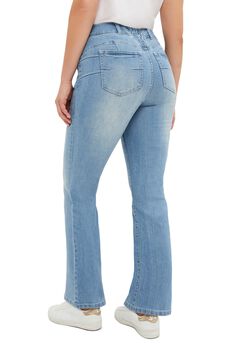 A pair of dark denim bootcut jeans with a back elastic waistband and classic 5-pocket styling.What customers like:True to size and perfect length Stretchy and flexible material Stays up without a belt Flattering and slimming design Comfortable fit
-
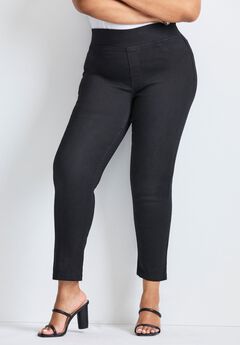 A black skinny leg jean crafted from soft butter denim with a wide comfort waistband and pull-on fit.What customers like:Super soft fabric Extremely comfortable fit Easy pull-on style Holds shape without sagging Great for tall lengths
-
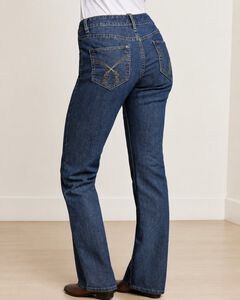 A classic bootcut jean in stretch denim with embroidered back pockets and a comfortable mid-rise fit.What customers like:High quality and durable material Flattering bootcut style Good stretch and soft fabric Consistent sizing and fit Comfortable fit
-
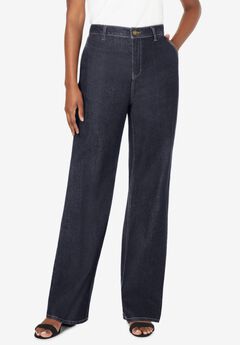 A pair of premium stretch denim wide-leg jeans with a contoured waistband and polished, relaxed style.What customers like:Flattering wide leg style True to size Good stretch and material Comfortable fit Waistband stays in place
-
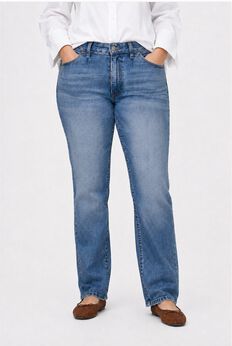 A classic straight-leg denim jean with adjustable waist, five-pocket styling, and a comfortable stretch blend.What customers like:True to size Adjustable waist Comfortable fit Soft, stretchy fabric Classic design
-
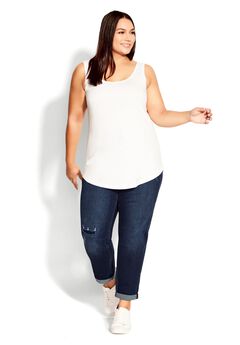 A dark wash, lightly distressed jean with a relaxed girlfriend cut and versatile styling options.What customers like:Great color and material quality Perfect length and available in tall sizes Stylish and versatile design Received compliments and fun to wear Flattering and comfortable fit
-
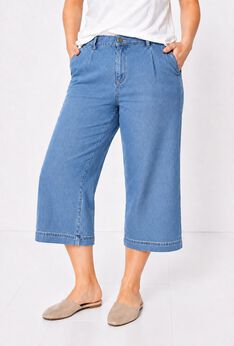 A pair of lightweight cotton denim jeans featuring wide cropped legs, front pleats, and a side-elastic waistband.What customers like:Lightweight and soft fabric Versatile for different seasons and outfits True to size Flattering wide-leg style Comfortable fit
-
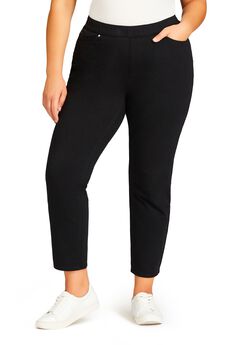 A black stretch knit jean with a comfortable elastic waistband and flattering slim leg fit.What customers like:Soft and stretchy material Easy to put on Flattering slim leg style Versatile for work and casual wear Comfortable fit
-
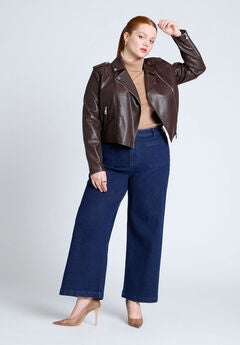 A high-rise, wide-leg jean in mid-stretch denim with patch and welt pockets for a structured fit.What customers like:Versatile enough to dress up or down Quality, thick fabric in a dark color Great fit and true-to-size sizing Comfortable stretch denim Stylish trouser-cut design
-
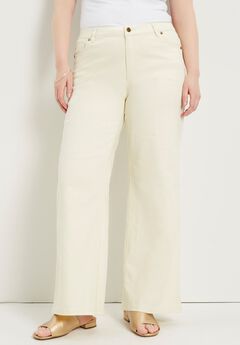 A '90s-inspired wide-leg jean with a high waist, crafted from cotton/poly/spandex for a polished look.
-
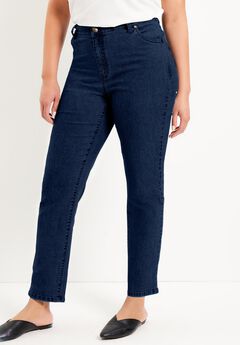 A classic blue straight-leg jean with a smooth fit, featuring a five-pocket style and 30" inseam.
-
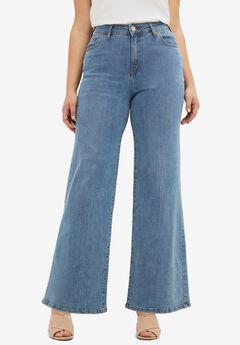 A classic wide-leg jean in cotton-blend denim with a high waist, belt loops, and 5-pocket styling.
-
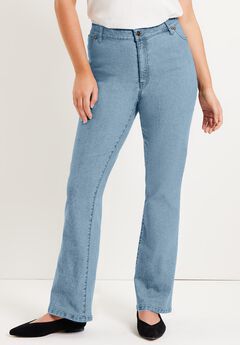 A classic blue bootcut jean with a flattering hourglass fit, made from cotton, polyester, and spandex.
-
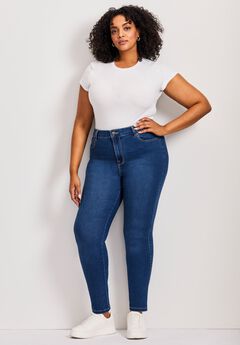
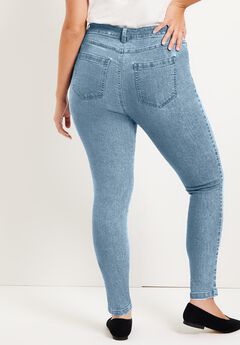 A blue skinny jean with built-in stretch, designed for comfort and a flattering fit.
-
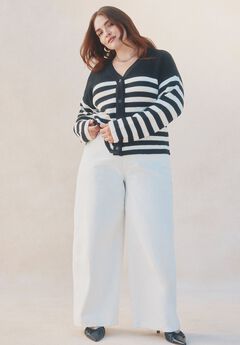 A high-rise, white wide-leg jean in 100% cotton with Comfort Control Pocket technology for tummy control.
Cyber Monday Sale On Plus Size Jeans
Frequently Asked Questions
Choose dark indigo or black denim when you want a polished foundation for blouses and blazers. Light washes bring a more relaxed feel to your outfits, while faded details add a vintage touch. Your stylist can help connect your denim washes with pieces you already love.
Pair your wide-leg jeans with pointed-toe ankle boots for a clean line beneath the hem. Add your favorite tucked-in tee and a cropped jacket to give the outfit definition. Your stylist can suggest combinations based on whether your style leans casual, tailored, or somewhere between.
Start with dark-wash jeans, then add a velvet top or silky blouse for seasonal texture. Finish your outfit with metallic earrings and ankle boots. Your stylist can help you bring in festive details without making your look feel overly formal.
Look for faded washes, whiskering, patch pockets, and subtle distressing when you want vintage-inspired denim. Pair your jeans with a tucked-in knit and a leather belt to carry that mood through. Choose one or two standout details so your outfit still feels personal.
Share your favorite outfits, preferred denim washes, and the occasions you dress for with your stylist. She can use your style profile to guide your choices. Your stylist also knows one brand’s 1X might be another brand’s 3X, so she considers your actual fit beyond the tag.