Plus Size Women's Midi Dresses
Find your preferred length in plus size women’s midi dresses, with hemlines falling between the knee and ankle. Your stylist knows one brand’s 1X can be another’s 3X and helps you navigate those fit differences. Try your picks at home, with free exchanges if you need a different fit.
-
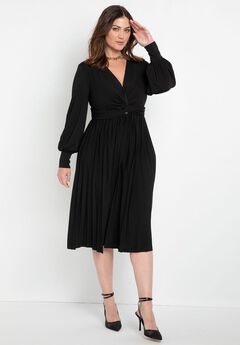 A black stretch knit matte jersey dress featuring a knot front and pleated skirt.What customers like:Flattering fit Quality design Versatile style Comfortable fabric Beautiful color
-
 A blue cotton jersey knit midi dress featuring chic stripes, adjustable drawstring waist, and side pockets.What customers like:Flattering and versatile style Lightweight and breathable material Comfortable fit Adjustable drawstring waist Convenient side pockets
-
 A black cross front midi dress with a close fit and stretch matte jersey knit.What customers like:High quality fabric Flattering fit Sexy yet modest Versatile design Comfortable and chic
-
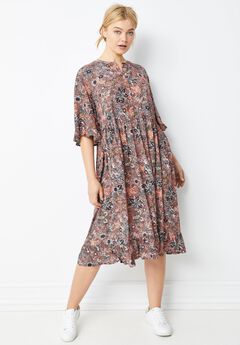 A multi-colored airy rayon crepe dress featuring delicate ruffles, a full flowy skirt, and elbow-length sleeves.What customers like:Lightweight and breathable fabric Versatile and easy to wear Comfortable and roomy fit Beautiful colors and prints Flattering and feminine style
-
 A black bodycon workwear dress with a crewneck, short sleeves, and a non-functional button placket.What customers like:Great fit High-quality material Versatile style Flattering design Professional appearance
-
 A dreamy multi-colored floral midi dress with puff sleeves, lace trim, and convenient on-seam pockets.What customers like:Versatile and stylish design Soft, high-quality material Wrinkle-resistant and easy to wear Flattering and comfortable fit Beautiful, vibrant colors
-
 A strapless black organza dress with boning, elastic gripper, and a satin bow accent.What customers like:Beautiful design Versatile and comfortable Perfect fit Elegant and show-stopping Received compliments
-
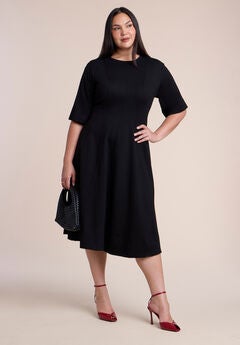 A black ponte work dress with a close fit bodice, loose skirt, and back zipper.What customers like:Versatile design High-quality fabric Elegant style Professional appearance Comfortable fit
-
 A flowy black crepe midi dress featuring a surplice neckline, ruffle tiers, and adjustable drawstring waist.What customers like:Flattering and adjustable design Beautiful color options Versatile and stylish appearance Lightweight and cool fabric Comfortable fit
-
 A stretch denim midi dress featuring a mock neck, strong shoulders, and functional chest pockets.What customers like:High-quality material Flattering fit Versatile style Comfortable stretch True to size
-
 A retro-inspired midi dress featuring a stretch-smocked bodice, tiered full skirt, and long blouson sleeves.What customers like:Flattering fit and design Comfortable and stretchy smocked bodice Receives compliments and looks stylish Versatile for different occasions Lightweight and airy fabric
-
 A white and multi-color knit midi dress featuring a surplice neckline, flutter sleeves, and waist tie.What customers like:Beautiful colors and print Flattering and comfortable fit High-quality, lightweight fabric Easy care and wrinkle-free Versatile style for events
-
 A black midi dress featuring a pleated ruffle neckline, elastic waist, and back zipper in woven polyester.
-
 A romantic purple A-line dress with all-over lace, square neckline, and scallop-trim details.
-
 A black polyester midi shirt dress with a waist tie and functional button placket.
-
 A vintage-inspired polyester midi dress featuring a wide collar, covered buttons, and a chic side slit.
-
 A shimmering pink sequin dress featuring a draped neckline, back slit, and fully lined stretch knit.
-
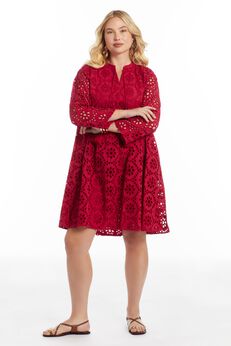 A breezy cotton eyelet shirtdress with a slit neck, tie detail, and comfortable lining.
-
 A blue floral lace midi dress with bell sleeves and a detachable lining for versatile wear.
-
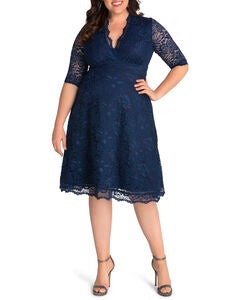 A navy lace A-line midi dress with scalloped details and a flattering fit-and-flare silhouette.
-
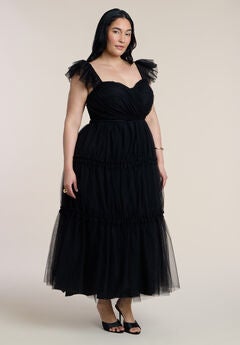 A black nylon tulle midi dress with a close fit bodice and loose, tiered skirt.
-
 A black midi dress with sheer pleated blouson sleeves and a deep V-neckline, fully lined.
-
 A stunning A-line midi dress with scalloped lace, V-neck, and three-quarter sleeves for any occasion.
-
 A navy high-stretch knit mesh midi dress with a jewel neckline and long fitted sleeves.
Plus Size Women's Midi Dresses
Frequently Asked Questions
Pair your midi dress with a structured blazer and loafers for a polished office look. Your stylist can help you choose details that reflect your personality while respecting your workplace dress code.
Try sneakers for casual plans, ankle boots for cooler days, or dressy sandals for an evening out. Your stylist can help you coordinate your shoes with your dress and the occasion.
Start with the invitation's dress code, then add earrings, a clutch, and shoes that match the occasion. Share the venue and time of day with your stylist to guide your outfit.
Add a denim jacket for a relaxed weekend look, or choose a cardigan for a softer finish. Your stylist can help you coordinate jacket lengths and dress details so your outfit feels intentional.
Keep your dress as the starting point, then swap casual shoes and your everyday bag for dressier accessories. Add statement earrings or a tailored jacket to shift the mood without rebuilding your outfit.