Plus Size Work Sheath Dresses
Start with a sheath dress that suits your workday, not just your dress code. Compare necklines, sleeve lengths, and fabric details with the shoes and layers you already wear. Tell your stylist whether you prefer a close fit or a little more room through your waist and hips. Your office routine and personal preferences should guide the choice.


-
 A chic knit crepe sheath dress with a lace-up neckline, bell sleeves, and convenient side pockets.
-
 A vibrant red sheath dress featuring a high neckline, puffed sleeves, and soft stretch polyester blend.
-
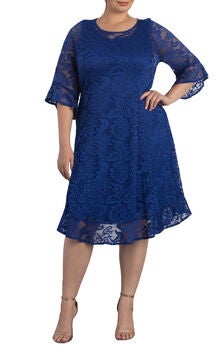 A feminine floral lace dress with a semi-fitted silhouette, peek-a-boo neckline, and flounce sleeves.
-
 A cozy red jersey sheath dress with full-length sleeves and a high neckline for effortless autumn style.
-
 A black crepe jersey shift dress with pleated chiffon sleeves, offering a flattering, elegant fit.
-
 A green long-sleeve sheath dress with a bodycon fit, crafted from polyester and spandex.
-
 A romantic onyx lace dress with a semi-fitted silhouette, peek-a-boo neckline, and flounce sleeves.
-
 A black sleeveless V-neck dress in medium-weight techno fabric with a subtle stretch and luster.
-
 A textured crepe sheath dress featuring a wide V-neckline, elbow-length sleeves, and a front slit.
-
 A versatile polyester midi dress with puffed sleeves, scoop neck, and convenient side seam pockets.
-
 A chic black knee-length sheath dress in perforated vegan leather with a breathable chiffon back panel.
-
 A blue textured crepe sheath dress featuring a wide V-neckline, elbow-length sleeves, and front slit.
-
 A chic striped midi dress in black with a cinched waist and stylish side slit.
-
 A double-breasted coat dress with peak lapel, satin-covered buttons, and oversized flapped pockets.
-
 A chic navy midi dress with a striped motif, featuring a cinched waist and side slit.
Plus Size Work Sheath Dresses
FAQ
A sheath dress has a streamlined silhouette that follows your shape without a full skirt. Choose neckline coverage, sleeve length, and a hem that suit your workplace. When checking the fit, sit down, walk, and reach forward to make sure your dress accommodates your day.
One brand's 1X might be another brand's 3X, so start with your measurements rather than the tag. Compare your bust, waist, and hip measurements with the brand's size chart, and check the fabric's stretch. Your stylist can help interpret those differences. With your styling box, trying pieces at home and using free exchanges gives you room to resolve fit questions.
If ease of movement is your priority, explore plus size stretch sheath dresses and compare fabric composition and fit notes. If hem length matters most, browse short sheath dresses. Check each dress's measurements against your height and your office dress code before deciding.
Look at fabric composition, texture, lining information, and care instructions—not just the silhouette. The Astra Sheath Dress uses a polyester-spandex blend, while the Lacing Sheath Dress features textured knit crepe. Stretch content alone does not tell you how closely a dress fits, so read the fit description too.
Start with shoes you can comfortably wear through your workday, then add a blazer if your office calls for one. For dinner, remove your layer and change your earrings or bag. Let your stylist know you need both settings covered so neckline, sleeve, and fabric choices reflect your plans.