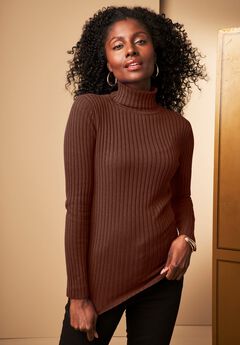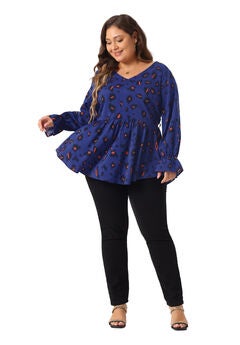


Plus Size Blue and Brown Separates
Start with cool blue and warm brown for fall outfits that feel considered, not complicated. Pair an airy blue top with textured brown bottoms, then add a layer for cooler mornings. Your stylist can help you connect these colors with pieces you already love, keeping your fit and routine in mind.
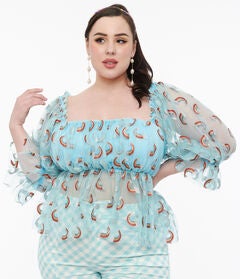

-
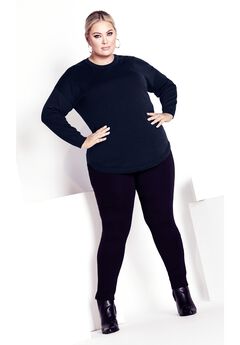
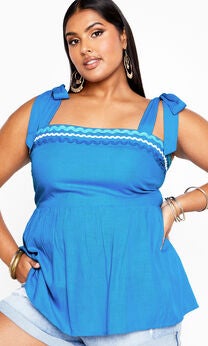 An ice blue top featuring adjustable shoulder ties, empire waistline, and a shirred back.
 -
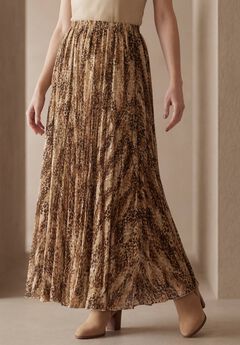
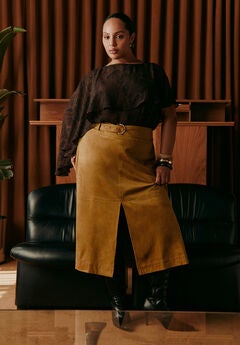 A brown non-stretch faux suede midi skirt with horizontal seams, a belted waist, tailored fit, and tall hem slit.
 -
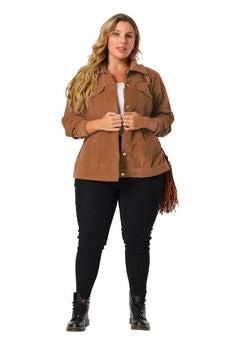
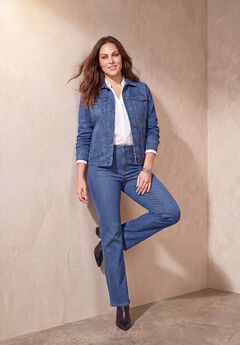 A relaxed-fit cotton denim jacket featuring classic seaming, a shirt collar, and practical pockets in blue.What customers like:Stylish and timeless design Versatile style Attractive color options High quality construction Comfortable fit
 -
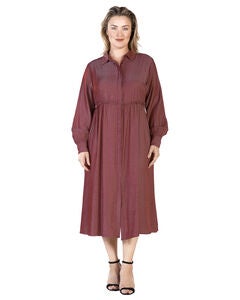
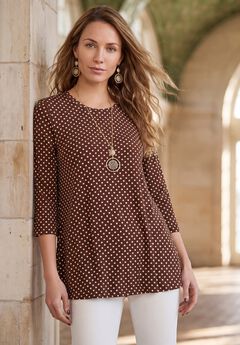
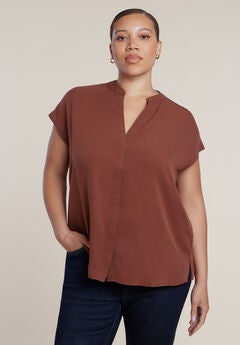 A brown, easy-fit blouse with a button front and non-stretch woven crepe fabric.What customers like:Lightweight and breathable fabric Easy to layer and style Versatile for various occasions Attractive color options Flattering fit and drape
 -
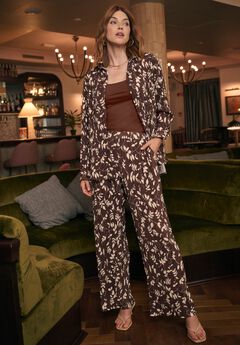 A brown polyester wide-leg trouser featuring plissé texture, side-seam pockets, and a comfortable pull-on waistband.
 -
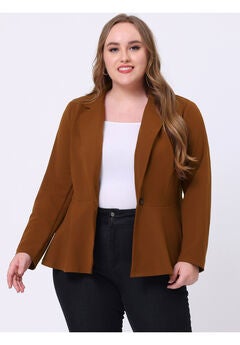
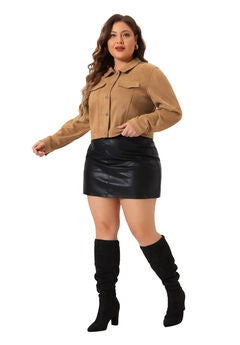 A brown cropped faux suede jacket with a collared button front and long sleeves.
 -
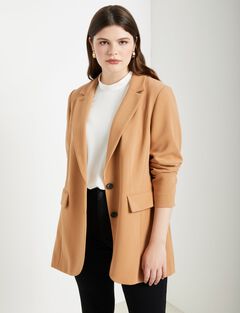
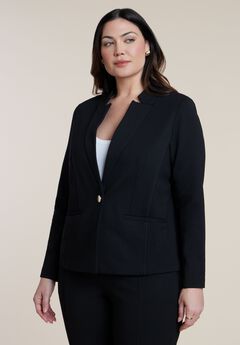
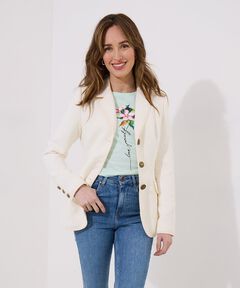 A sophisticated polyester blazer featuring a suede moleskin collar, side pockets, and bold button accents.What customers like:High quality and well made Versatile style Flattering and stylish appearance Beautiful color and detailing Comfortable fit
 -
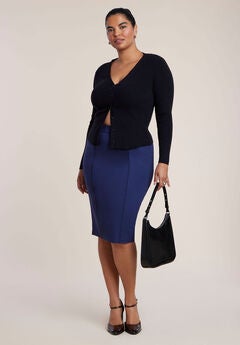 A blue stretch pencil skirt in medium-weight ponte fabric with an encased elastic waistband.What customers like:Perfect length High quality fabric Flattering fit Comfortable wear Versatile style
 -
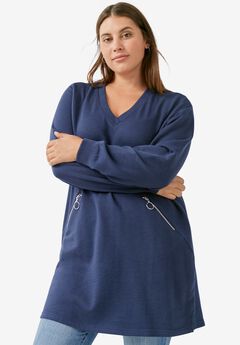
 A blue mandarin collar tunic with a hi-lo hemline, crafted from non-stretch woven double georgette.What customers like:Lightweight and breathable Versatile style High-quality fabric Beautiful color Comfortable fit
 -
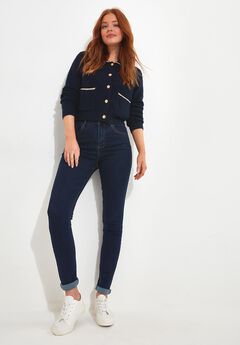 A pair of high-waisted blue skinny jeans crafted from a comfortable cotton blend with classic pockets.What customers like:Great fit and true to size Comfortable and soft material Beautiful color and appearance Flattering high-waisted style High quality and durable
 -
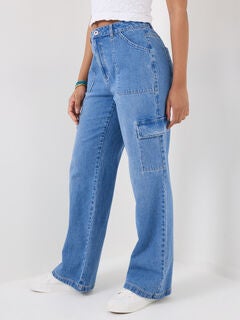 A pair of blue cotton high-waisted cargo pants featuring statement pockets and a relaxed straight-leg fit.What customers like:Flattering fit Versatile style Great color Good quality material Comfortable to wear
 -
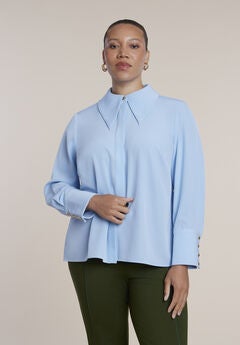 A blue, easy-fit button-up shirt crafted from soft, non-stretch woven polyester with a classic collar.
 -
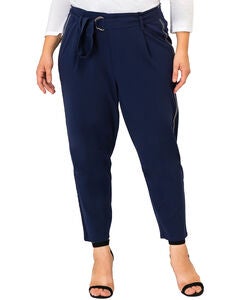 A chic cropped pant in midnight blue vegan leather with a paper bag waist and athletic stripe.
 -
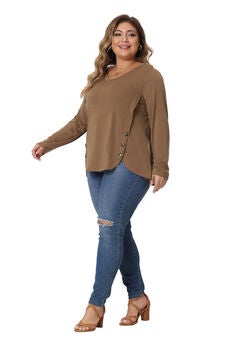 A brown, long sleeve tunic top with a V-neck, side buttons, and stretchy, comfortable fabric.
 -
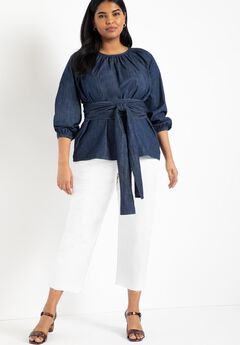
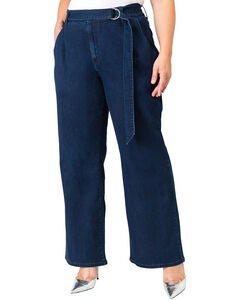 A high-waist wide-leg denim trouser with a D-ring belt, crafted from dark wash cotton blend.
 -
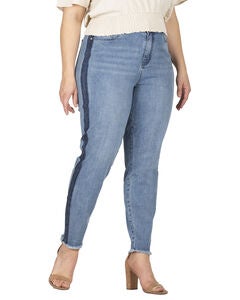 A trendy blue denim skinny jean with shadow stripes, high rise, and distressed hem for style.
 -
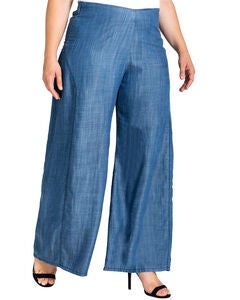 A high-waisted blue Tencel palazzo pant with a side zip and wide leg opening.
 -
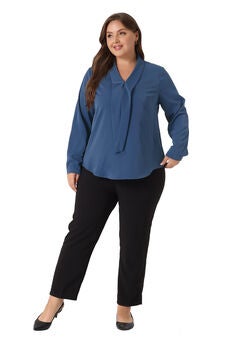 A blue chiffon blouse with a tie V-neck, long sleeves, and button cuffs.
 -
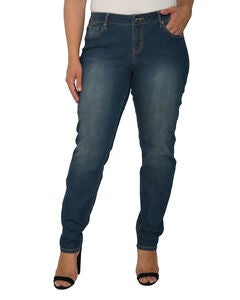 A pair of medium blue, mid-rise skinny jeans crafted from soft, stretchy cotton blend fabric.
 -
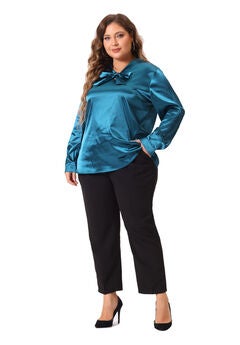 A blue satin blouse with a tie neck and long sleeves, made from 100% polyester.
 -
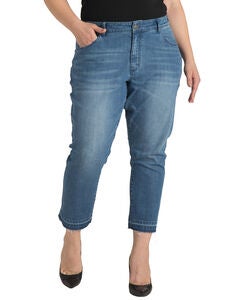 A slim-fit, mid-rise cropped jean in light wash with an unraveled hem, made from cotton and spandex.
 -
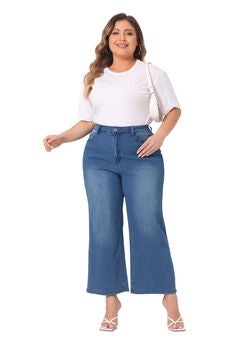 A pair of blue high-rise wide-leg jeans crafted from stretchy cotton-blend fabric for casual comfort.
 -
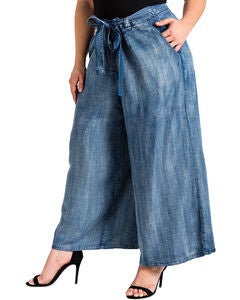 A stylish pair of blue Tencel denim cropped palazzo pants with a waist tie and pockets.
 -
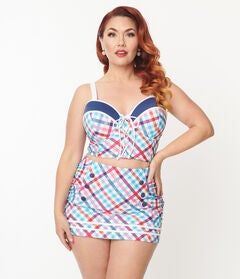 A high-waisted pastel plaid swim bottom with ruched sides, faux buttons, and comfortable mesh lining.
Plus Size Blue and Brown Separates
FAQ
Try pale blue with chocolate brown for clear contrast, or navy with camel for a quieter combination. Medium-blue denim pairs easily with either. Your shades do not need to match exactly; repeat one color in your shoes or bag if you want a more connected finish.
Choose the piece your wardrobe is missing. Explore light blue blouses for a lighter contrast, or brown skirts if you already have favorite blue tops. Turn to fall sweaters when warmth matters most. For combinations suited to your workday, start with fall work outfits.
One brand's 1X may fit differently from another's, so matching labels is not the goal. Your stylist considers those differences alongside your measurements and fit preferences. Check each item's size chart and fabric details, especially for non-stretch waistbands. With your styling box, trying pieces at home and using free exchanges takes pressure off getting every size right immediately.
Keep your lightweight top as the first layer, then add a knit or denim jacket. Try the layers together and reach forward to check room through your shoulders and sleeves. For bottoms, tights under a skirt or a heavier trouser fabric can add warmth without changing your blue-and-brown palette.